5 Traditional Egyptian Beef Recipes to Savour

Egyptian beef recipes are the cornerstone of the country’s most beloved home-cooked meals, rich in flavour, deeply aromatic, and surprisingly easy to master. Whether you’re planning an Eid al-Adha feast or exploring authentic Middle Eastern cuisine, these traditional Egyptian beef dishes bring the vibrant tastes of Cairo and the Nile Valley straight to your kitchen.
From slow-cooked stews with warm spices to vibrant street food-inspired meals, Egyptians have perfected the art of cooking beef in countless styles. Minced beef features prominently in dishes like kofta and layered casseroles that bring families together. Eid al-Adha marks the peak of meat consumption, when beef and lamb are shared with family, neighbours, and those in need, making it a true celebration of food and community.
In this guide, we explore five mouth-watering Egyptian meat dishes that showcase the best of traditional Egyptian cuisine. From ceremonial Fattah to comforting Kebab Halla and Rice Kofta, each recipe uses simple ingredients and time-honoured techniques. These authentic Egyptian cuisine classics are perfect for both beginners and experienced cooks.
Table of Contents
What Makes Egyptian Beef Recipes Unique?
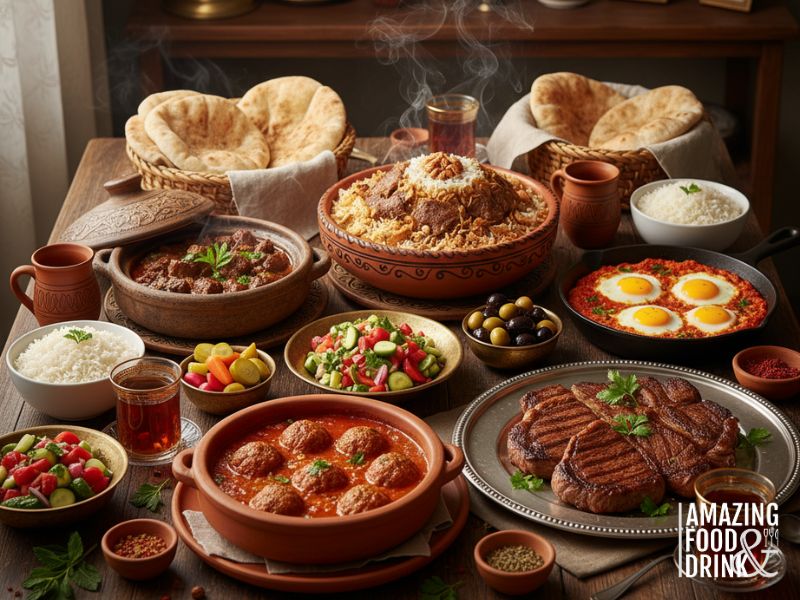
Egyptian beef recipes stand apart through their distinctive use of aromatic spices, slow-cooking techniques, and layering of complementary textures. Unlike Western preparations that showcase a single cut of meat, traditional Egyptian cuisine combines beef with rice, bread, and vegetables to create complete, family-style meals.
The hallmark of authentic Egyptian cuisine lies in its spice blends, warm cinnamon, fragrant cardamom, earthy cumin, and tangy vinegar, which create depth without overwhelming heat. Egyptian cooks favour long, gentle cooking methods that transform tougher cuts, such as beef shank, into tender pieces while creating rich stocks for rice or bread.
These dishes are designed for sharing on large platters, reflecting Egypt’s emphasis on hospitality and family gatherings.
Essential Ingredients for Egyptian Beef Cooking
Understanding the foundational ingredients will help you achieve authentic flavours at home. Egyptian beef recipes rely on a carefully balanced combination of spices, fresh produce, and quality meat cuts.
- Key Spices: Cumin, cardamom, cinnamon, black pepper, dry coriander, mastic, and allspice provide the foundation of Egyptian meat dishes.
- Fresh Ingredients: Garlic, white onions, fresh tomatoes (both whole and as paste/juice), and fresh herbs like coriander and dill.
- Pantry Essentials: Short-grain rice, ghee or butter, white vinegar, and vegetable oil.
- Meat Selection: For slow-cooked dishes, select cuts with connective tissue, such as beef shank, chuck, or shoulder. For quick recipes, use lean minced beef or Sirloin.
Traditional Egyptian Beef Recipes
These five authentic Egyptian beef recipes represent the heart of Egyptian home cooking. Each dish offers unique flavours and techniques, from celebratory feasts to weeknight dinners. Follow the detailed recipe cards below to recreate these traditional favourites in your own kitchen.
1. Beef and Fattah
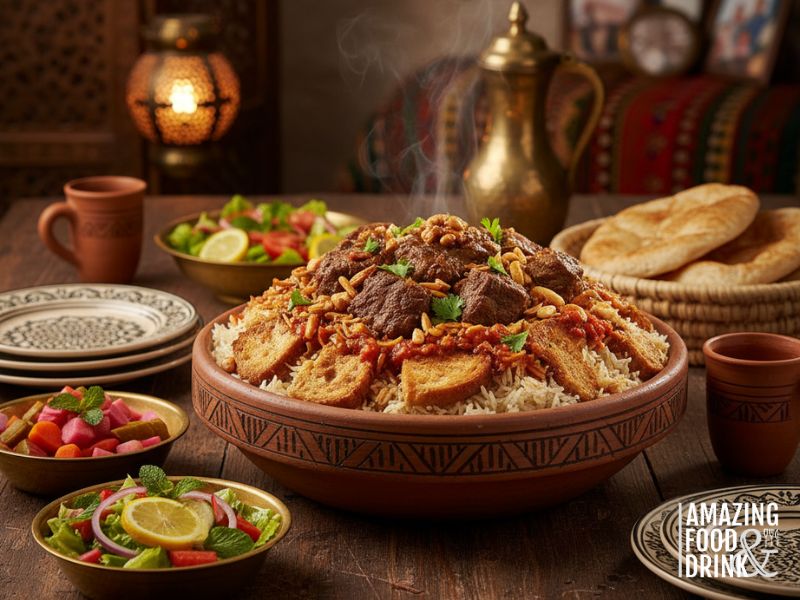
Beef with Fattah is the centrepiece of Eid al-Adha celebrations, a magnificent layered dish combining slow-cooked beef, crispy toasted bread, fluffy rice, and tangy tomato sauce with vinegar. This represents the pinnacle of traditional Egyptian food, where each component is prepared separately before being assembled into an impressive platter.
Prep Time: 30 minutes | Cook Time: 1 hour 30 minutes | Total Time: 2 hours | Servings: 8 people
Ingredients:
For the Beef:
- 2kg beef shank, cut into 150-200g pieces
- 1 cinnamon stick
- 2 cubes of butter
- 2 tablespoons vegetable oil
- 1 medium carrot, sliced
- 1 large onion, quartered
- 1 medium tomato, quartered
- 2 cardamom pods
- 2 mastic cloves
- Salt to taste
For the Rice:
- 400g short-grain rice
- 2 tablespoons vegetable oil
- 2 tablespoons butter
- 1 bay leaf
- 2 cardamom pods
- 2 mastic cloves
- 2 teaspoons salt
- 3 cups beef stock (from cooked beef)
For the Vinegar Tomato Sauce:
- 2 tablespoons vegetable oil
- 4 cloves garlic, minced
- 60ml white vinegar
- 1 tablespoon tomato paste
- 480ml tomato juice
- 1 teaspoon salt
- 1 teaspoon ground black pepper
- 1/4 teaspoon crushed coriander
For the Toasted Bread:
- 3 loaves of pita bread, cut into small pieces
- 2 tablespoons butter
- 2 cloves garlic, minced
- 60ml tomato sauce (from above)
- 60ml beef stock
For Stir-Frying the Beef:
- 1 tablespoon butter
- 2 tablespoons vegetable oil
Method:
- Prepare the Beef: In a large pot, heat oil and butter with cardamom, mastic, and cinnamon. Brown beef pieces on all sides (2-3 minutes). Add carrot, onion, and tomato. Cover with hot water, bring to a boil, then simmer, covered, for 30-45 minutes, until tender. Season the stock with salt, remove the beef, and strain the stock.
- Cook the Rice: Wash the rice 4-5 times until the water runs clear, then soak for 20 minutes. Drain the rice completely in a pot. Heat oil, butter, a bay leaf, cardamom, and mastic. Add rice and salt, stir well. Pour 3 cups of beef stock, bring to a boil, reduce the heat, cover, and cook 15-20 minutes. Let it stand covered.
- Make the Sauce: In a pan, sauté the minced garlic in oil until golden brown. Add vinegar, tomato paste, tomato juice, salt, pepper, and coriander. Bring to a boil, then simmer 10-15 minutes until slightly thickened.
- Toast the Bread: Melt butter in a pan, and add garlic. Add bread pieces and fry until golden brown (5-7 minutes). Add 60ml of sauce and 60ml of stock, then toss to coat without making it too soggy.
- Fry the Beef: Just before serving, heat butter and oil in a pan. Quickly fry the beef pieces until they are crispy and golden (3-4 minutes).
- Assemble: On a large platter, layer toasted bread, then rice, drizzle with sauce (don’t submerge), and crown with beef. Serve immediately.
Nutritional Information (per serving): 620 kcal | 42g protein | 58g carbs | 24g fat
Chef’s Tips: Don’t rush the simmering. Quality stock determines the final flavour. Keep bread slightly crispy. Components can be prepared ahead of time and assembled just before serving.
2. Kebab Stew (Kebab Halla)
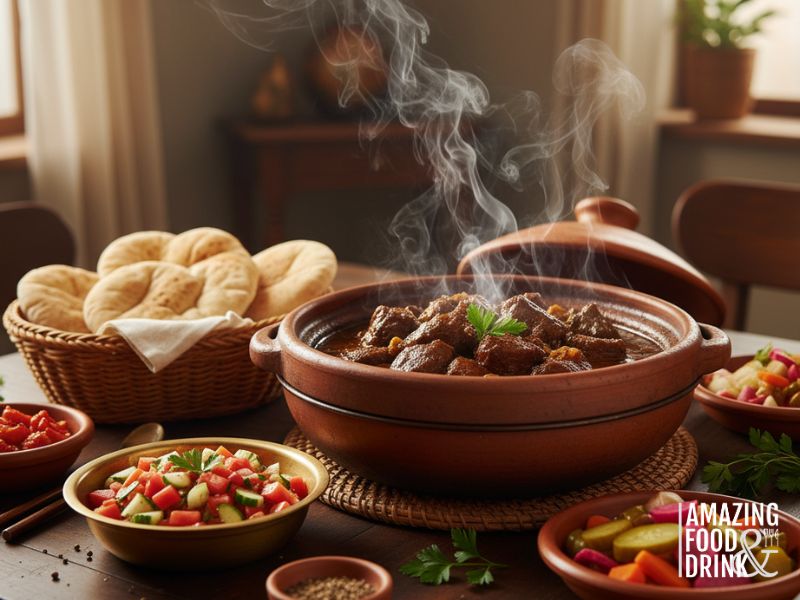
Kebab Halla is a homestyle Egyptian beef stew delivering grilled kebab flavours without a barbecue. Tender beef cubes cook with caramelised onions in a 1:1 ratio, creating a naturally sweet, thick sauce that’s perfect for weeknight dinners.
Prep Time: 15 minutes | Cook Time: 45 minutes | Total Time: 1 hour | Servings: 6 people
Ingredients:
- 1kg beef (chuck or shoulder), cut into 2cm cubes
- 1kg white onions, julienned
- 10 cardamom pods
- 2 tablespoons vegetable oil
- 2 tablespoons ghee
- 1/2 teaspoon ground black pepper
- 1/2 teaspoon allspice
- 1/4 teaspoon cinnamon powder
- 1 tablespoon dry coriander
- 2 bay leaves
- 1 teaspoon salt
- 60ml water
Method:
- Cut beef into uniform 2cm cubes for even cooking.
- Heat oil and ghee in a deep pan over medium-high heat. Add half the julienned onions (500g) and sauté until translucent (5-7 minutes).
- Add the beef cubes and mix well with the onions, ensuring they come into contact with the pan surface.
- Add all spices: black pepper, allspice, bay leaves, coriander, cinnamon, and cardamom pods. Stir thoroughly to coat meat (2 minutes).
- Cook, stirring occasionally, until beef turns light brown (5-8 minutes).
- Add 60ml water, reduce the heat to low, cover, and simmer 25-30 minutes. Check occasionally and add water if needed.
- When the beef is 90% cooked (tender with slight resistance), add the remaining onions and salt. Stir well, cover, and cook for 10-15 minutes, or until the vegetables are completely tender.
- The final dish should have a thick, onion-based sauce coating the meat. Transfer to a serving bowl and serve hot, accompanied by Egyptian bread or rice.
Nutritional Information (per serving): 385 kcal | 34g protein | 14g carbs | 22g fat
Chef’s Tips: Use a mix of yellow and white onions for deeper flavour. Don’t skip the ghee, it adds authentic richness. Leftovers taste better the next day as flavours meld.
3. Shakshuka with Minced Beef
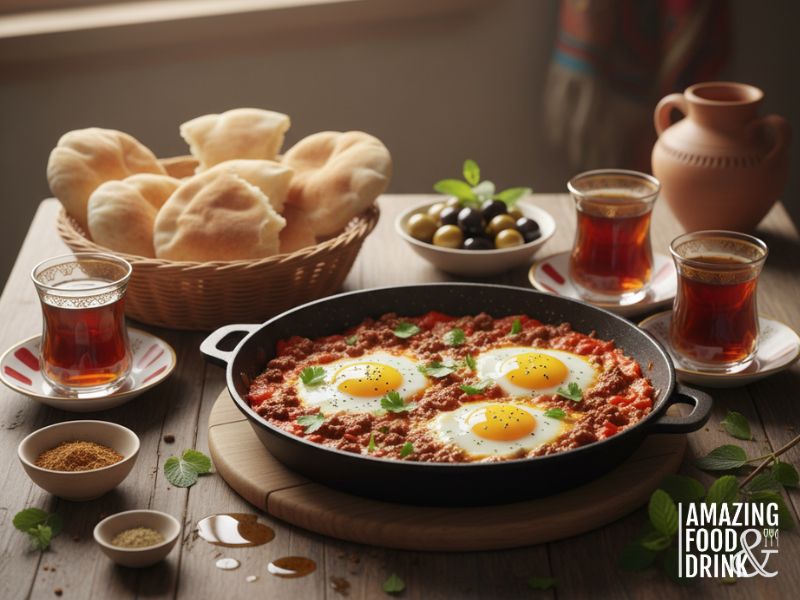
Shakshuka is Egypt’s vibrant brunch dish, eggs poached in spiced tomato sauce. This version features seasoned minced beef, providing a protein-packed meal that’s ready in just 30 minutes and perfect for any time of day.
Prep Time: 10 minutes | Cook Time: 20 minutes | Total Time: 30 minutes | Servings: 4 people
Ingredients:
For the Minced Beef:
- 200g minced beef (lean)
- 1 medium onion, minced
- 1 clove garlic, minced
- 1/2 teaspoon ground black pepper
- 1/2 teaspoon salt
- 1/4 teaspoon ground cardamom
For the Shakshuka:
- 1 tablespoon vegetable oil
- 4 tablespoons butter
- 1 medium onion, minced
- 2 cloves garlic, minced
- 3 medium tomatoes, chopped
- 1 yellow bell pepper, chopped
- 1 green chilli, minced (adjust to preference)
- 5 large eggs
- 2 teaspoons ground black pepper
- 1 teaspoon cumin
- 2 teaspoons salt
- 1 teaspoon paprika
- 1 tablespoon tomato paste
Method:
- Cook the Beef: Place the minced beef in a large, oven-safe frying pan (cast-iron or otherwise) over medium-high heat. Break up with a spatula and cook 5 minutes until crispy and brown. Add the onion and garlic, and cook for 2-3 minutes until softened. Season with salt, pepper, and cardamom. Transfer the mixture to a bowl and set it aside. Wipe the pan clean.
- Make the Shakshuka Base: In the same pan over medium heat, add oil and butter. Once melted, add onion and sauté until almost translucent (3-4 minutes). Add garlic and tomatoes, and cook for 3-4 minutes, until the tomatoes have broken down. Season with salt, pepper, and cumin.
- Combine: Add the cooked, minced beef back to the pan and mix thoroughly. Stir in tomato paste and chopped yellow pepper. Cook for 2-3 minutes, stirring occasionally, until the mixture bubbles gently.
- Add Eggs: Using the back of a spoon, create 5 evenly spaced wells in the mixture. Carefully crack one egg into each well. Sprinkle salt and pepper over eggs.
- Cook Eggs: For the oven method (recommended), preheat the grill to high. Cook on the stovetop for 2 minutes, then transfer to the upper oven rack and grill for 3-5 minutes, until the whites are set but the yolks remain runny. For the stovetop method, reduce the heat to low, cover tightly, and cook 5-7 minutes.
- Remove from heat and sprinkle with additional black pepper, if desired. Serve immediately from the pan, accompanied by warm pita bread for dipping.
Nutritional Information (per serving): 340 kcal | 22g protein | 12g carbs | 24g fat
Chef’s Tips: Use the freshest eggs for the best appearance. Don’t overcook; runny yolks are essential. Add crumbled feta cheese before serving for a Mediterranean twist.
4. Rice Kofta Stew

Rice Kofta stretches beef by blending it with ground rice, an ingenious, affordable Egyptian staple. These herb-flecked meatballs are fried until crispy, then simmered in rich tomato sauce, making them perfect for meal prep and freezing.
Prep Time: 45 minutes (plus 30 min soaking/drying) | Cook Time: 40 minutes | Total Time: 2 hours | Servings: 8 people (makes 40-50 kofta balls)
Ingredients:
For the Rice Kofta:
- 1kg red meat (beef or veal, fat-free)
- 800g short-grain rice
- 1 medium onion
- 1 bunch fresh dill, chopped
- 1 bunch fresh coriander, chopped
- 5 cloves of garlic
- 1 teaspoon salt
- 1 teaspoon ground black pepper
- 1 teaspoon cumin
- 1 teaspoon dry crushed coriander
- 2 tablespoons vegetable oil (for shaping)
- 720ml vegetable oil (for frying)
For the Tomato Stew:
- 1 tablespoon ghee
- 1 medium onion, minced
- 5 cloves garlic, minced
- 360ml tomato juice
- 1 tablespoon tomato paste
- 1 teaspoon salt
- 1 teaspoon cumin
- 1/2 teaspoon dry crushed coriander
- 240ml hot beef stock or water
Method:
- Prepare the Rice: Wash the rice 4-5 times until the water runs clear. Soak 30 minutes, drain completely. Spread the mixture on a towel in a thin layer and air-dry for 30 minutes, or until no moisture remains.
- Grind Rice: Working in batches, grind dried rice in a spice grinder or food processor until it becomes fine, flour-like powder (2-3 minutes per batch). Transfer to a large mixing bowl.
- Make Kofta Mixture: Add beef chunks, quartered onion, garlic cloves, both chopped herb bunches, and all spices to a bowl with rice powder. Mix with hands. Pass the meat through the meat grinder 2-3 times, until it is smooth and clay-like (or ask your butcher for assistance). The mixture should be vivid green from the herbs.
- Shape Kofta: Oil your hands generously. Take 2 tablespoons of the mixture and roll into a walnut-sized ball or a 5cm log. Place on tray. Re-oil hands as needed. Continue until all shapes (40-50 pieces). Can freeze at this stage.
- Fry Kofta: Heat 720ml oil to 175°C in a deep pan. Test with one piece should sizzle immediately. Fry 8-10 pieces at a time for 30-45 seconds per side, until golden brown (approximately 2-3 minutes total). Remove with a slotted spoon, drain on paper towels. Repeat with remaining batches.
- Make Stew: In a large pot over medium heat, melt ghee. Add minced onion and garlic, sauté until translucent (3-4 minutes). Add the tomato juice, followed by the tomato paste. Stir well. Add salt, cumin, and dry coriander. Pour in hot beef stock (never use chicken stock). Bring to a rolling boil for 2-3 minutes.
- Combine: Gently add all fried kofta to the sauce. Stir carefully to coat without breaking. Reduce the heat to low and simmer, uncovered, for 8-10 minutes, until the sauce thickens slightly.
- Transfer to a serving bowl and serve hot with vermicelli rice.
Nutritional Information (per serving, 5-6 pieces): 465 kcal | 28g protein | 42g carbs | 20g fat
Chef’s Tips: Rice must be completely dry before grinding. Don’t skip multiple grinding passes. Make a double batch and freeze half of it. Fried kofta can be frozen and added directly to hot sauce.
5. Egyptian Sirloin
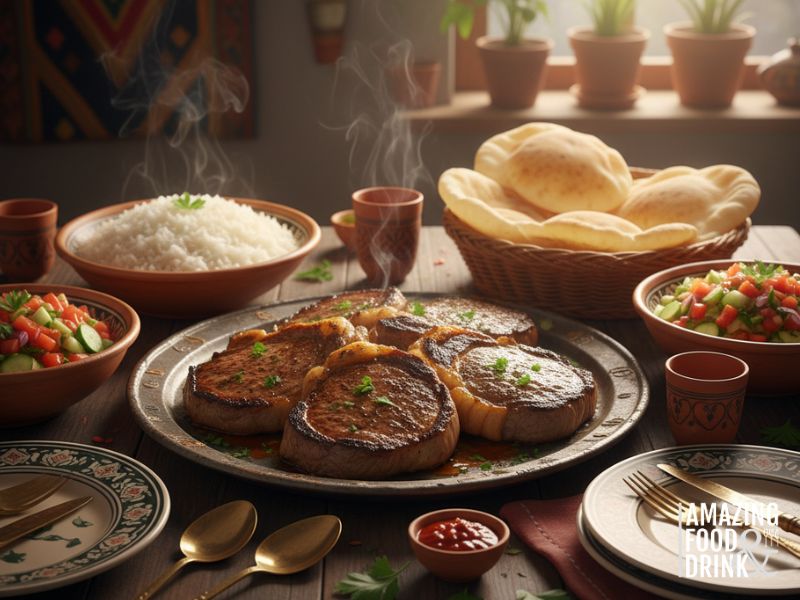
Egyptian Sirloin transforms premium beef into a family feast. Thinly sliced Sirloin is baked with colourful vegetables in a sealed parchment parcel, creating an impressive restaurant-worthy presentation with minimal effort.
Prep Time: 25 minutes | Cook Time: 1 hour 15 minutes | Total Time: 1 hour 40 minutes
Servings: 6 people
Ingredients:
For the Beef:
- 1kg sirloin steak, sliced 1cm thick
- 2 teaspoons salt
- 1 teaspoon ground black pepper
- 3 cloves of garlic
- 1 tablespoon butter
- 1 tablespoon virgin olive oil
- 1 teaspoon zaatar
- Fresh rosemary sprigs
For the Vegetables:
- 3 large potatoes, sliced 1cm thick
- 3 large carrots, sliced diagonally 1cm thick
- 4 medium onions, julienned
- 1 large green bell pepper, sliced
- 1 large yellow bell pepper, sliced
- 1 bunch fresh celery, chopped
- 3 large tomatoes, quartered
- 1 tablespoon tomato paste
- Additional salt and black pepper
- 1 teaspoon allspice
- Pinch of sugar
- 1/4 teaspoon fresh nutmeg, grated
Method:
- Prepare Vegetables: Julienne the onions and place them in a bowl. Sprinkle them generously with salt and pepper, then massage the seasonings into the onions with your hands. This pre-seasoning is crucial. Set aside. Slice the potatoes and carrots into 1cm rounds, slice the peppers into strips, chop the celery, and quarter the tomatoes.
- Season Sirloin: Arrange sirloin slices on a tray. Sprinkle salt and pepper generously on one side, flip and season the other side equally.
- Sear Beef: Heat oil and butter in a large pan over medium-high heat. Add crushed garlic cloves and rosemary sprigs. Once fragrant, add sirloin slices in a single layer (work in batches). Sear 1-2 minutes per side, until a golden-brown crust forms (the inside will still be rare). Remove to a clean plate. Leave garlic and rosemary in the pan.
- Cook Vegetables: To the same pan, add pre-seasoned onions and stir for 1 minute. Add all vegetables: potatoes, carrots, celery, peppers, and tomatoes. Toss thoroughly. Add tomato paste, additional salt, a pinch of sugar, allspice, and grated nutmeg. Stir to coat, then cook for 3-4 minutes, until the vegetables have softened slightly. Remove from heat.
- Assemble: Preheat oven to 180°C for 15-20 minutes. Line a large, deep tray with two long sheets of foil, crosswise (forming an X pattern with overhang). Repeat with two parchment sheets on top. Spread all vegetables evenly on the tray. Arrange seared Sirloin on top. Fold the parchment over the contents, then cover it with foil to create a tightly sealed parcel with no gaps.
- Bake: Place tray on lower oven rack. Bake for 60-75 minutes, until the vegetables are tender and the beef is cooked through but succulent.
- Rest and Serve: Remove from the oven and let rest for 10 minutes without unwrapping. Bring the sealed tray to the table, unwrap carefully (steam will escape), and serve immediately with vermicelli rice.
Nutritional Information (per serving): 480 kcal | 38g protein | 35g carbs | 20g fat
Chef’s Tips: Don’t skip pre-seasoning onions; it’s key to achieving a sweet, tender texture. Parcel must be tightly sealed to trap steam. Add 120ml beef stock before sealing for extra moisture and richer sauce.
Tips for Cooking Egyptian Beef at Home
Mastering authentic Egyptian cuisine requires understanding key techniques that transform good results into extraordinary ones. These practical tips will help you achieve restaurant-quality Egyptian beef dishes in your own kitchen.
Meat Selection: Choose beef shank, chuck, or shoulder for slow-cooked dishes; the connective tissue becomes incredibly tender with long cooking. Use lean minced beef (10-15% fat) for quick recipes, such as Shakshuka. For sirloin dishes, select well-marbled, fresh cuts sliced against the grain.
Spice Techniques: Toast whole spices (such as cardamom pods and cumin seeds) briefly in a dry pan before grinding for enhanced flavour. Buy small quantities of ground spices and replace them every 3-6 months for optimal freshness. Layer spices throughout the cooking process, some at the start for a base flavour, and others at the end for brightness.
Achieving Tenderness: Always brown meat first; this creates depth through the Maillard reaction. Cook on gentle heat once boiling; aggressive heat toughens meat fibres. For tough cuts, cook until the meat is fork-tender, where it easily falls apart. Let the braised beef rest in its cooking liquid for 10 minutes before serving.
Stock Management: Save all beef cooking liquid; it’s liquid gold for rice and sauces. Skim fat from stock if desired, but a small amount adds richness. Freeze extra stock in ice cube trays for future use in other Egyptian dishes.
Rice Perfection: Always wash rice 4-5 times until the water runs clear to remove excess starch. Soak rice 15-30 minutes before cooking for fluffier results. Use the absorption method with a proper liquid ratio (typically 1.5:1 liquid to rice). Let rice rest, covered, for 5-10 minutes after cooking.
Storage: Most Egyptian meat dishes taste better the next day as flavours meld. Freeze Rice Kofta uncooked for up to 3 months; fry directly from frozen. Store leftovers in airtight containers for up to 4 days. Reheat gently with a splash of water or stock to prevent the food from drying out.
What to Serve with Egyptian Beef Dishes
Egyptian beef recipes are designed to be paired with complementary sides that balance flavours and create complete, satisfying meals. Understanding traditional serving customs will help you present these dishes authentically.
Essential Accompaniments:
Vermicelli Rice: The most common pairing for nearly all Egyptian meat dishes. Short-grain rice cooked with toasted vermicelli noodles in butter, creating a fluffy, slightly nutty side that absorbs meat juices beautifully.
Egyptian Bread (Aish Baladi): Round, pita-style flatbread used as an eating utensil to scoop up meat and sauce. Fresh, warm bread is essential; use quality pita from Middle Eastern shops or make homemade baladi bread.
Fresh Salad (Salata Baladi): A simple chopped salad of tomatoes, cucumbers, onions, and fresh coriander dressed with lemon juice and olive oil. The acidity and crunch provide a perfect contrast to rich meat dishes.
Pickled Vegetables (Torshi): Tangy pickled turnips, cucumbers, or mixed vegetables cut through the richness of beef. The vinegary bite cleanses the palate between bites.
Tahini Sauce: A creamy sesame paste sauce thinned with lemon juice and garlic, often drizzled over Fattah or served alongside grilled meats.
Perfect Pairings by Dish:
- Fattah: It needs no sides, as it’s already a complete meal with bread, rice, and meat. Serve only with fresh salad and pickles.
- Kebab Halla: Plain rice or warm bread, fresh salad, and yoghurt on the side for a cooling contrast.
- Shakshuka: Crusty bread for dipping, fresh herbs (parsley or coriander), and hot tea or fresh juice.
- Rice Kofta: Always vermicelli rice, plus salad and tahini sauce for drizzling.
- Egyptian Sirloin: Vermicelli rice is essential, with the vegetable layer serving as a built-in side dish. Add only fresh salad.
Beverage Pairings: Karkadeh (hibiscus tea) served cold, fresh mint tea hot after meals, tamarind juice for sweet-sour balance, or Ayran (salted yoghurt drink) for cooling effect.
These five authentic Egyptian beef recipes represent traditional Egyptian food that has brought families together for generations. From ceremonial Fattah during Eid al-Adha to everyday Kebab Halla, each recipe showcases Egyptian culinary ingenuity and deep-rooted traditions.
What makes Egyptian meat dishes special is their communal nature, designed for sharing around large platters, celebrating both ordinary days and extraordinary occasions. The techniques here, slow-cooking, layering flavours, and creative combinations like Rice Kofta, reflect centuries of Egyptian cooking wisdom.
Whether exploring Middle Eastern cuisine for the first time or reconnecting with familiar flavours, these Egyptian beef recipes offer something for every skill level. Start with quick Shakshuka, work up to Kebab Halla for weeknight dinners, and save Fattah for special celebrations.
FAQs
1. How do Egyptians cook beef for Eid al-Adha?
Beef is prepared in two stages. First, it’s boiled with aromatic spices (cinnamon, cardamom, bay leaves) until fork-tender (1-2 hours), creating rich stock for rice. Second, just before serving, the beef is quickly stir-fried in butter until crispy. The most iconic dish is Fattah, layers of crispy bread, rice, beef, and tangy tomato sauce.
2. What is kebab halla?
Kebab Halla means “pot kebab”, an Egyptian beef stew with grilled kebab flavours but cooked in a pot. Beef cubes are slowly cooked with an equal weight of julienned onions and warm spices. As the onions break down, they create a naturally sweet, thick sauce. It’s served with bread or rice and loved for its caramelised, comforting flavour.
3. Can I substitute lamb for beef in Egyptian recipes?
Yes, lamb works excellently in all Egyptian beef recipes and is often preferred during Eid. It offers richer flavour but cooks 15-20% faster, so adjust timing accordingly. Lamb releases more fat skim if desired. Lamb shank is traditional for Fattah. Keep spice quantities the same, though extra cumin or coriander complements lamb’s distinctive taste nicely.
4. What’s the difference between Egyptian Kofta and regular meatballs?
Egyptian Rice Kofta uniquely combines minced beef with ground raw rice flour, making it lighter and more economical. It includes generous fresh herbs (dill, coriander), creating a bright green colour. It’s fried for a crispy exterior, then simmered in tomato sauce. Traditional grilled kofta is pure meat on skewers, whilst Western meatballs use breadcrumbs and eggs as binders.
5. Can I make Egyptian beef recipes in a slow cooker?
Absolutely! Brown meat first (crucial for flavour), then transfer to the slow cooker with onions, spices, and liquid. Cook on low for 6-8 hours or on high for 3-4 hours. For Rice Kofta, fry the balls first, then add them to the slow cooker with the sauce for the final 30-60 minutes. Reduce liquid quantities slightly, as slow cookers retain more moisture. Always brown meat first for best results.