50 Brilliant Recipes for Food Blog Success & Growth
Starting a successful food blog is easier than you think. Whether you’re sharing recipes on Instagram, TikTok, or YouTube, the right content can transform your hobby into a thriving online presence.
This comprehensive guide features 50 Instagram-worthy recipes for food blog success alongside expert tips on photography, audience engagement, and content strategy. You’ll discover easy-to-follow recipes suitable for all skill levels, proven techniques to grow your following, and insider secrets from successful food bloggers.
Ready to take your food blog to the next level? Let’s dive in.
Table of Contents
Essential Food Blogging Tips Before You Start
Before sharing your first recipe, understanding these foundational principles will set you up for long-term success. These proven strategies have helped thousands of food bloggers build engaged communities and create content that resonates with their audience. Master these basics before diving into recipe creation.
Define Your Food Blog Direction
Choosing a clear niche is the foundation of every successful food blog. Your direction determines your audience, content style, and growth potential. Without a defined focus, you’ll struggle to attract and retain loyal followers.
The most successful food bloggers have a clear niche. Some specialise in healthy recipes for weight loss, whilst others focus on local cuisines from their hometown. Some exclusively share colourful salad recipes or budget-friendly family meals.
Your biggest priority when starting? Choose a specific direction and stick with it.
It doesn’t matter which direction you choose, as long as you apply it consistently across all your posts. Every direction has its audience, but maintaining a cohesive blog theme is crucial.
Examples of clear directions:
- Healthy meal prep for busy professionals
- Traditional Irish family recipes
- Quick 15-minute weeknight dinners
- Vegan comfort food
- Local Egyptian street food
Posting about kebabs and falafel when you’re offering healthy recipes will confuse your followers and attract the wrong audience. Consistency is key. Your subscribers are waiting for specific content; don’t disappoint them by straying from your niche.
Action step: Write down your blog’s core focus in one sentence. This becomes your north star for all content decisions.
Know Your Target Audience
Understanding who you’re creating content for transforms random posts into strategic, engaging food blog recipes that drive traffic. Your audience research directly impacts content quality, posting frequency, and recipe selection. Spend time on this crucial step.
You might think you’re speaking to strangers behind screens, but understanding your audience is entirely possible and essential for achieving success in food blogging.
Spend time identifying their characteristics, lifestyles, experiences, and culture. The more information you gather about your audience, the more effective your food blog recipes will be.
You can’t target everyone. Trying to appeal to all people will kill your blog before it gains momentum.
How to find valuable audience information:
1. Read recipe book reviews on Amazon
- Note 5-star comments and complaints
- Identify common pain points
- Look for phrases like “too complicated for beginners” or “ingredients hard to find”
2. Search Facebook groups and Quora
- Join food and cooking communities
- Observe what questions people ask repeatedly
- Note down helpful insights
3. Analyse competitor blog comments
- See what readers praise or criticise
- Identify gaps you could fill
- Look for recurring requests
4. Create polls on social media
- Ask Instagram followers about preferences
- Use Twitter polls for quick feedback
- Run Facebook surveys in relevant groups
5. Reflect on your own struggles
- What difficulties do you face when cooking?
- What information is hard to find online?
- What shortcuts would have helped you?
Potential audience segments:
- Busy mums needing 5-minute meals
- New parents want healthy baby food
- Men wanting to improve their cooking skills
- University students are saving money by cooking at home
- Fitness enthusiasts seeking nutritious recipes
Whilst posting food blog recipes, focus on solutions you’ve discovered. People appreciate bloggers who make their lives easier and better; they’ll reward you with loyal support.
Create Original Content, Not Just Trends
Following trends blindly leads to generic content that gets lost in crowded social feeds. Original content sets you apart and builds authentic connections with followers. Learn to balance trend participation with unique creativity.
Trendy content helps food blogs grow, but you shouldn’t rely on it exclusively. Be strategic and thoughtful when choosing which trends to leverage and how to make them relevant to your niche.
Social media channels overflow with high-quality food content and creative bloggers. Competition is fierce, and without taking advantage of valuable tools to craft unique posts, you’ll struggle to get noticed.
However, there’s room for everyone. Understand your audience and deliver what they’re searching for.
Be the trend rather than following it. Take sufficient time researching ideas from brilliant bloggers with large followings, then add your personal touch.
Pro tip: Keep notes handy and write down ideas that pop into your mind unexpectedly. These spontaneous thoughts often become your best content.
Important: Don’t post healthy food blog recipes just because they’re trending. Focus on what motivates and drives you to continue blogging. Understand your interests and what gives you creative freedom to engage authentically with followers.
Maintain a Consistent Posting Schedule
Consistency builds trust and keeps your food blog visible in algorithm-driven feeds. Irregular posting confuses followers and damages your credibility. Establish a realistic schedule you can maintain long-term.
You don’t need to post daily. Publishing 2-3 times weekly works brilliantly if you’re consistent. Your followers should know when to expect your next photo or recipe, so they won’t lose interest because they trust you’re still actively pursuing your food blog.
Benefits of consistency:
- Algorithm favour from all social media platforms
- Increased exposure to target audiences
- Stronger follower loyalty
- Better engagement rates
Pro tip: If you’re not posting frequently, interact through stories, questions, or polls. Comment on other relevant accounts to maintain visibility and engagement.
High-quality food blog recipes matter more than quantity. Don’t pressure yourself to post subpar content just to maintain frequency.
Batch content creation strategy: Prepare your content plan during weekends. Design multiple posts, videos, or reels in advance, making them ready for quick publishing on scheduled days.
Important: When filming multiple videos in one session, change your outfit between takes to maintain consistency. You don’t want followers uncovering your batch-creation secret!
Build Relationships With Other Food Bloggers
The food blogging community thrives on mutual support and collaboration. Building genuine relationships opens doors to opportunities, inspiration, and accelerated growth. Networking is as important as creating content.
When you discover other food bloggers, engage genuinely:
- Follow their accounts
- Like their food photography
- Write thoughtful comments
- Reply to their stories
- Strike up conversations
They’ll likely visit your page and reciprocate the engagement.
Building authentic connections within the foodie community positions you among other bloggers and creates a positive attitude towards your food blog. You might even get invited to food events to share your story; that’s when you know you’re on the right track.
Engagement tip: When commenting on food blog recipes, add value rather than generic responses like “Nice!” or “Amazing!” Instead, share relevant information, personal experiences, or open gentle debates to spark interaction. Based on experience, this strategy has been shown to dramatically increase exposure and follower growth.
Collaboration opportunities:
- Recipe exchanges
- Guest posting
- Joint Instagram Lives
- Shared Pinterest boards
- Food photography tips swaps
Use Multiple Social Media Platforms Strategically
Different platforms serve different purposes in your food blogging strategy. Understanding each platform’s strengths helps you maximise reach and engagement. Strategic multi-platform presence accelerates growth exponentially.
Each platform offers unique advantages. For example, an Instagram food blog account with 15,000 engaged followers can earn approximately £200 per sponsored post. This varies based on factors like niche, engagement rate, and content quality.
Modern platform strategy for 2025: Prioritise TikTok and Instagram Reels for rapid growth and content discovery, then funnel that traffic to more stable, monetisable platforms like Instagram (for community building), your dedicated blog (for SEO and email list building), and YouTube (for long-form content and ad revenue).
Platform selection guide:
TikTok (Priority Platform for Growth): The fastest-growing platform for new food bloggers in 2025, offering unparalleled organic reach and viral potential.
- Best for: Rapid follower growth, content discovery, viral reach, younger audiences
- Audience: 16-35 years old
- Content: Quick recipe videos, trends, behind-the-scenes, and educational cooking tips
- Why start here: Algorithm favours new creators, with potential to gain thousands of followers from a single viral video
Instagram (Priority for Monetisation & Community): Essential for building engaged communities and attracting brand partnerships. In 2025, Reels dominate the platform, becoming the new feed.
- Best for: Building a loyal community, connecting with sponsors, driving engagement
- Audience: 18-45 years old
- Content Strategy (Critical for 2025):
- Prioritise Reels (90% of your growth effort): Instagram’s algorithm heavily prioritises Reels over static posts. This is where new followers discover you. Create 15-60 second recipe videos with trending audio, quick cuts, and engaging hooks.
- Use Carousel Posts to showcase final products and written steps: Carousel posts (which feature multiple photos/videos in one post) are favoured by the algorithm because they increase the time spent on the post. Perfect for “Save This Recipe” content, which includes the full recipe with ingredients and steps across multiple slides. This drives saves, a powerful engagement metric that signals valuable content to the algorithm.
- Stories for daily connection: Behind-the-scenes content, polls, Q&As, and personal updates maintain daily touchpoints with your community.
- Static single photos are now for retention, not growth: Use them to showcase your best food photography, but don’t expect significant reach. Their primary role is maintaining feed aesthetics for profile visitors.
2025 Instagram Reality: Reels are non-negotiable for growth. If you’re not creating Reels, you’re invisible to new audiences. Static posts have a reach limited by the algorithm; existing followers are primarily the ones who see them.
Strategy Shift: Utilise Reels to Attract New Followers. Use Carousel Posts to drive saves (by including the full recipe/instructions within the slides). Use Stories for daily connection. Single static photos maintain your grid aesthetic but won’t grow your account.
YouTube: The long-term investment platform for establishing authority and generating passive ad revenue.
- Best for: Detailed tutorials, ad revenue, establishing authority, long-term SEO benefits
- Audience: 25-55 years old
- Content: Full recipe tutorials, vlogs, how-to guides, cooking techniques
- Why it matters: Videos rank in Google search, compound growth over time
Pinterest: The silent traffic driver that works whilst you sleep, funnelling visitors to your blog years after posting.
- Best for: Blog traffic, recipe discovery, long-term visibility, passive growth
- Audience: 25-50 years old, predominantly women
- Content: Vertical food photography with text overlay linking to blog
- Strategy: Every blog post needs multiple Pinterest graphics
Your Own Blog/Website: Your own platform where algorithms can’t hurt you, essential for serious monetisation and building email lists.
- Best for: SEO, email list building, full control, multiple income streams, credibility
- Content Strategy (SEO-Focused):
- Full recipes with SEO optimisation: Every recipe needs proper schema markup, keyword optimisation, and mobile-friendly formatting.
- Cornerstone Content (long, comprehensive guides): Create in-depth, authoritative guides like “Complete Guide to Sourdough Baking” or “50 Best Keto Recipes for Beginners.” These 3,000+ word posts establish authority and earn backlinks, boosting your entire site’s SEO.
- High-Intent Recipes: Target recipes people search for when they’re ready to cook or shop. Examples: “Best Keto Chilli Recipe,” “Easy Weeknight Chicken Dinner,” “Gluten-Free Birthday Cake Recipe.” These convert better to ad revenue and affiliate sales than vague searches like “healthy food ideas.
- Printable recipe cards: Increase page time and provide value.
Why SEO matters: High-intent traffic from Google converts significantly better than social media traffic. Someone searching for “easy Sunday roast recipe” is ready to cook. They’ll click ads, buy recommended ingredients, and save your recipe. Focus on specific, valuable search terms that indicate buying/cooking intent.
Blog success formula: Cornerstone content for authority + High-intent recipes for traffic = Sustainable income.
Facebook: Secondary platform for community building, particularly effective for older demographics and local engagement.
- Best for: Community building, older audiences, local engagement, Facebook groups
- Audience: 35+ years old
- Content: Recipe videos, blog links, group discussions
Recommended starter strategy: Begin with TikTok + Instagram Reels for explosive growth (these are non-negotiable in 2025), then add either YouTube or a Blog as your third platform based on your comfort level with video or writing. Start with 2-3 platforms maximum to maintain quality and consistency.
The viral-to-stable funnel approach:
- Create short-form video content (TikTok/Instagram Reels) to gain rapid follower growth
- Direct traffic to Instagram carousel posts and Stories for community building and sponsor opportunities
- Funnel engaged followers to your blog/YouTube for deeper content and email capture
- Use Pinterest to drive long-term traffic to your blog automatically
Cross-platform linking: Connect all accounts with hyperlinks. Include links to your food blog, Instagram, TikTok, and YouTube in every bio and description. This helps Google recognise your brand and keeps followers navigating between your content.
Platform Synergy Tip: Repurpose Content Strategically. One recipe becomes: a TikTok video, Instagram Reel, Instagram carousel post, YouTube tutorial, blog post with recipe card, and 3-5 Pinterest pins. Work smarter, not harder.
Understand Social Media Algorithms
Algorithm knowledge separates thriving food blogs from stagnant ones. Platforms constantly evolve, and staying informed keeps your content visible. Treat algorithm updates as opportunities, not obstacles.
When planning your food blogging strategy, invest time in understanding how your chosen platforms work. This knowledge separates successful food bloggers from those who struggle to gain traction.
Two critical components:
1. Algorithm awareness
Understanding how platforms prioritise content helps you create posts that get maximum visibility.
Social media platforms have one goal: keep users scrolling longer by delivering content they love. Your food blog recipes must meet audience expectations (relevant and exciting) to gain followers and capture attention.
Challenge: Algorithms change frequently. Stay updated on:
- Hashtag best practices
- Optimal posting times
- New features and formats
- Engagement factors
2. Feature utilisation
Mastering all platform features gives you a competitive advantage that other food bloggers often miss.
Master different functions:
- Creating reels and stories
- Using interactive stickers
- Responding to comments and DMs
- Going live with followers
Practical techniques:
- Add locations to posts so people browsing that area discover your content
- Switch to a business account (Instagram) for insights access
- Monitor post performance, reach, impressions, and daily visits
- Use insights to build weekly strategies
- Identify which content gains the highest engagement
Pro tip: Use the maximum number of relevant hashtags defined by each platform. Research trending food hashtags in your niche.
Master Basic Food Photography Skills
Exceptional food photography is the difference between scroll-past posts and save-worthy content. You don’t need expensive equipment; understanding light and composition is more important. These fundamentals transform ordinary dishes into stunning visuals.
The golden rule: Use natural light. Nothing compares. Lighting makes or breaks food photography; without efficient natural lighting, your photos will never look professional.
Your phone’s camera is more than adequate for capturing stunning food blog recipes. You don’t need the latest flagship model. Your current camera phone produces fantastic, vivid photos that captivate followers when paired with proper lighting and editing.
Professional editing approach:
Whilst phone cameras are sufficient for capturing images, serious food bloggers invest time learning professional-grade editing apps for consistency and fine-tuning. Basic phone filters won’t achieve the polished, cohesive look that builds recognisable brands.
Industry-standard editing tools:
- Lightroom Mobile (essential): Professional-grade colour correction, exposure control, and preset consistency across all photos. This is the industry standard for food photography editing.
- Snapseed (comprehensive, free): Excellent for selective editing and fine-tuning specific areas
- VSCO (stylish filters): Good for overall aesthetic, but use sparingly alongside Lightroom
Why professional editing matters:
- Consistency: Lightroom presets ensure every photo matches your brand aesthetic
- Colour accuracy: Fine-tune white balance so food looks appetising, not overly warm or cool
- Exposure control: Recover shadows and highlights that the phone’s auto-processing misses
- Professional polish: The difference between amateur and professional food blogs often comes down to editing quality
Editing workflow for serious bloggers:
- Shoot in natural light near a window
- Import to Lightroom Mobile
- Adjust exposure, white balance, and contrast
- Apply your signature preset for consistency
- Fine-tune highlights, shadows, and colours
- Export and post
Pro tip: Create or purchase a Lightroom preset that matches your chosen aesthetic (bright and airy, dark and moody, etc.). Apply it to every photo, then make minor adjustments. This creates the cohesive, professional feed that attracts followers and sponsors.
Time investment reality: Yes, learning Lightroom Mobile takes more time than one-tap filters. But this investment separates hobbyists from professional food bloggers. Spend 2-3 hours learning the basics, and your feed will thank you.
Focus on the solution you offer through your food blog recipes, accompanied by a professional presentation. Authenticity matters, but so does quality.
Important: If you haven’t chosen a blog name, consider using your full name to build a personal brand. Otherwise, select a creative name that reflects your niche.
Develop Your Visual Theme
A cohesive visual theme makes your food blog instantly recognisable and professionally polished. Consistency in aesthetics builds brand identity faster than any other strategy. Your theme becomes your visual signature.
Social media platforms are microblogging forms with character limits (2,200 for Instagram captions, 300 for TikTok, including hashtags). Success depends more on ideas, design, and visualisation than on lengthy descriptions.
Finding one consistent theme elevates your food blog from good to exceptional. Your theme encompasses photography style, colours, backgrounds, and overall aesthetic. It’s how you differentiate yourself from other food bloggers.
Theme creates your personal brand, reflecting your character, values, and style.
Popular theme options:
- Dark and moody
- Bright and airy
- White and minimalist
- Flat lay arrangements
- Rustic and textured
Consistent visual themes help people recognise your food blog recipes anywhere. This reflects creativity and personality, aiming for your account to look like one cohesive artistic collection.
No right or wrong theme exists. Experiment with different filters and editing styles until you find something that resonates with you.
Pro tip: Browse successful food bloggers and Pinterest for theme inspiration. Adapt ideas with your unique touch, never copying them directly.
You can change themes later if needed. The goal isn’t perfection from day one, but avoiding a messy, inconsistent feed with conflicting styles.
Consider your existing resources: If you have a white table, it makes an excellent backdrop for photography sessions. Research maximising white backgrounds in food photography.
Write Compelling Captions
Captions transform pretty pictures into engaging content that drives action. They provide context, personality, and calls to action that photos alone can’t deliver. Master caption writing to maximise every post’s impact.
You’ve created beautiful food photography, but your work isn’t finished. Captions are crucial for the success of a food blog.
Many bloggers, especially those who are beginners, underestimate the importance of captions. “What’s the big deal about writing two lines?” they wonder.
Don’t overlook caption power. Well-crafted captions significantly increase engagement and reach.
Caption benefits:
- Stop followers from scrolling
- Start conversations through calls-to-action
- Provide context for quick viewers
- Share personality and build a connection
- Improve accessibility
Not everyone watches videos completely, especially recipe videos. Captions ensure that everyone can access your food blog recipes, regardless of their viewing preferences.
Effective caption structure:
1. Open with a hook
Grab attention in the first sentence with questions, commands, or intriguing statements.
- Ask a question: “Have you prepared dinner yet?”
- Give a gentle command: “Save this recipe for later”
- Share a surprising fact: “This takes just 5 minutes”
2. Provide value
Give readers useful information they can apply immediately to their cooking.
- Explain the recipe briefly
- Share a personal story
- Offer cooking tips
- Suggest serving ideas
3. Include a call-to-action
Direct followers to engage with your content in specific ways.
- “Tag someone who needs this”
- “Drop a 🍕 if you’d try this”
- “Comment on your favourite variation”
- “Save this for meal prep Sunday”
Platform-specific lengths:
- Instagram: 125-150 words (sweet spot)
- TikTok: Keep it brief (under 100 characters)
- YouTube: Longer descriptions with timestamps
- Facebook: Medium length (100-200 words)
Add personality and sensory words. Don’t write “a tasty cake.” Instead, try: “This cake has a luscious texture and an indescribable aroma that will soothe your nerves!”
Pro tip: Being authentic matters more than being a professional writer. Sometimes, relatable imperfection makes you a better influencer because people feel you’re just like them.
Always Include Written Ingredients and Steps
Written recipes make your content accessible, shareable, and user-friendly for all learning styles. Video-only recipes limit your reach and frustrate followers who prefer reading. Accommodate all preferences to maximise engagement.
People comprehend information differently. Even when you show ingredients and steps in videos, write them explicitly in captions. This makes your food blog recipes accessible and user-friendly.
Why written recipes matter:
- Followers reference them without rewatching videos
- Easier to shop for ingredients
- Allows for quick scanning
- Improves accessibility
- Better for saving and sharing
Format tips:
- Use list format for ingredients
- Number your steps clearly
- Add emojis for visual interest (sparingly)
- Suggest equipment alternatives
- Recommend ingredient substitutions
Add real value by offering alternatives. Not everyone has the same equipment or ingredients. Suggesting where to find speciality items or what substitutes work demonstrates genuine care for your audience.
Remember: Your ultimate goal isn’t just becoming a famous food blogger. Focus on solving your followers’ problems and improving their lives through helpful food blog recipes.
Define Clear Goals for Each Platform
Strategic clarity prevents wasted effort and accelerates growth on every platform. Vague goals lead to inconsistent content and disappointing results. Define specific objectives before posting.
If you’re publishing on multiple social media platforms, specify your objectives for each. Develop strategies tailored to each platform’s unique features and capabilities.
Answer these questions for each platform:
- Why am I here?
- What action do I want followers to take?
- Who am I targeting on this platform?
- What would make me feel fulfilled?
- What motivates me most?
Keep these questions in mind every time you post food blog recipes. Both new and established bloggers who remain specific and clear about goals see better results.
If you lack time to manage three accounts, focus on one. High-quality work on a single platform beats mediocre efforts across multiple channels.
Share Personal Stories
Personal stories create emotional connections that generic content never achieves. Vulnerability and authenticity build trust faster than perfect recipes. Your experiences make your food blog memorable.
People crave stories, especially personal ones. They want to know who you are, that you’re a normal person just like them, not a perfect cooking robot.
What to share:
- Why did you create a specific recipe
- How did your family react
- When does this dish suit best
- Mistakes you made along the way
- Special memories connected to the food
Instagram, YouTube, and other platforms have become business hubs, but they’re primarily social networks. People appreciate authentic, intimate communication.
Be yourself and show personality. Make an effort when writing captions or sharing food blog recipes to help followers get to know you better. Your personality is your identity; it makes your blog special.
Remember: You don’t need expert credentials. Social media audiences appreciate authenticity and value over perfection. Share your genuine experience from your perspective.
Just Start: Perfection Is a Myth
Analysis paralysis stops more food blogs than any other obstacle. Imperfection beats perfection every time. Your first post marks the beginning of your journey, and everything improves from there.
Stop waiting for the “perfect moment” to launch your food blog. That moment doesn’t exist. Waiting is an illusion keeping you from pursuing your goals.
Once you’ve understood the previous tips, there’s no reason to delay.
Take action now:
- Capture your first photo
- Write a caption including your recipe
- Use appropriate hashtags
- Share your gift with the world
You don’t need expertise in anything. Simply share your experiences from your perspective. Naturally, you’ll make mistakes, occasionally lose followers, and sometimes receive less attention than you deserve. That’s part of the journey.
Fun fact: Even guides like this come from people still learning. Audiences love authentic stories that include mistakes and frustrations. Perfection is neither natural nor desirable because you’re human!
Blogging Requires Real Effort
Managing expectations prevents burnout and disappointment. Food blogging requires consistent effort, ongoing learning, and adaptation. Understanding the reality helps you prepare mentally and practically.
Here’s the truth: food blogging is challenging work.
Blogging is fun and exciting, especially when creating content about food. You’ll explore autumn and spring produce, prepare feasts, try exotic dishes, and possibly travel to discover cuisines worldwide.
But how many posts promise it’s “easy-peasy” to run a food blog?
The fantasy begins with excitement: “I’ll become super famous! My food blog recipes will be unique and mouthwatering! I’ll gain thousands of followers in just a few days! Soon I’ll have my own brand and business!”
Then reality arrives far from expectations.
Frustration, disappointment, and depleted energy follow. “This isn’t working; let’s try something else,” you think.
First, who promised blogging was easy?
It’s not, and it’s definitely not the easiest way to generate income.
Why mention this now? Food blogging is well-rewarding, but only after extended hours crafting worthy content, testing approaches, capturing lovely photos, and figuring out what your audience loves most (that’s what nobody tells you!).
Success requires complete focus. If you have passion and dedication, you can become a successful food blogger. But never think blogging is easy. Your passion alone isn’t enough; your determination matters more.
Set reasonable expectations:
- Talk to other food bloggers
- Learn from their mistakes
- Participate in food industry events
- Be patient with growth
- Celebrate small wins
Final advice: When people roll their eyes and say “Blogging is easy!”, stay quiet. Let them try and discover how challenging it is!
Note on paid advertising: Ads effectively gain followers and engagement, but they’re not ideal when you’re just starting your food blog. Focus on creating awesome, informative content using the strategies mentioned above. After establishing a foundation, explore paid promotion.
50 Brilliant Recipes for Food Blog Engagement
These carefully selected recipes for food blog success span multiple categories, ensuring a varied content experience. Each suggestion has been chosen specifically for its photogenic qualities and broad engagement potential.
From the towering drama of Fluffy Japanese Pancakes to the elegant appeal of Grilled Prawn Skewers, these recipes combine visual impact with practical preparation to help you create stunning, shareable posts that resonate with your target audience.
Quick & Easy Breakfast Recipes for Food Blog Success
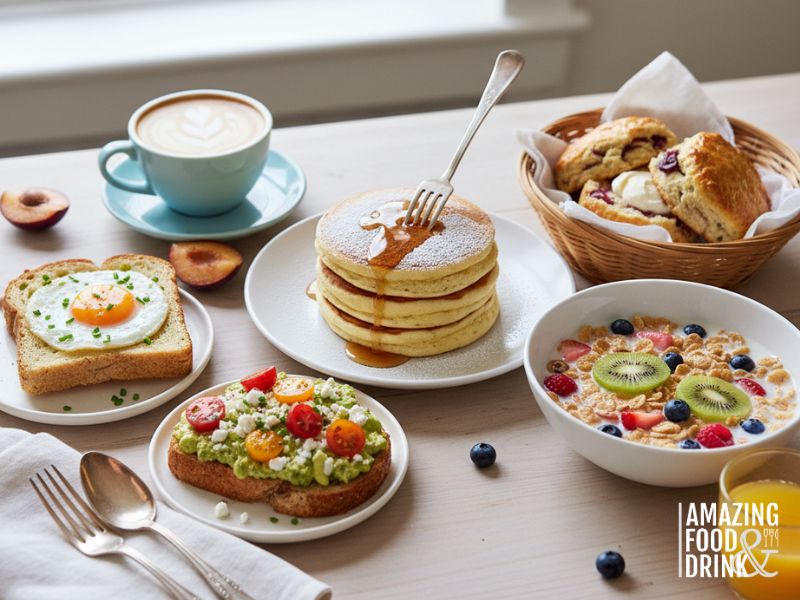
Start your followers’ mornings with visually stunning, simple breakfast ideas that solve the “what should I eat?” dilemma. Breakfast content performs exceptionally well because people seek inspiration whilst planning their day.
1. Fluffy Japanese Pancakes
These towering, jiggly pancakes create incredible visual content with their impressive height and wobble.
Photography tip: Capture a side angle showing height and fluffiness. Perfect for weekend brunch content and appeals to followers seeking Instagram-worthy breakfast ideas. The dramatic presentation makes this one of the most shareable breakfast recipes.
2. Creative Egg in Toast
Simple ingredients transformed into a sunshine-like presentation.
Photography tip: Bright overhead shot showing egg’s sunny centre. Ideal for busy parents needing quick, kid-friendly breakfast solutions that look spectacular.
3. Avocado Toast with Toppings
Endless customisation options make this a content goldmine.
Photography tip: Top-down shot showing creamy avocado layers and colourful toppings. Appeals to health-conscious millennials and demonstrates your creativity through various topping combinations.
4. Crisp Fruit Cereal
Homemade alternative to processed cereals with vibrant colours.
Photography tip: Bowl shot from above with spoon and milk. Perfect for health-focused food blogs targeting families wanting nutritious breakfast options.
5. Plum Scones
Seasonal baked goods create a sense of urgency and timeliness.
Photography tip: Overhead shot with a tea cup for scale and context. Excellent for cosy, comfort food blogs during autumn and summer fruit seasons.
Satisfying Lunch Ideas
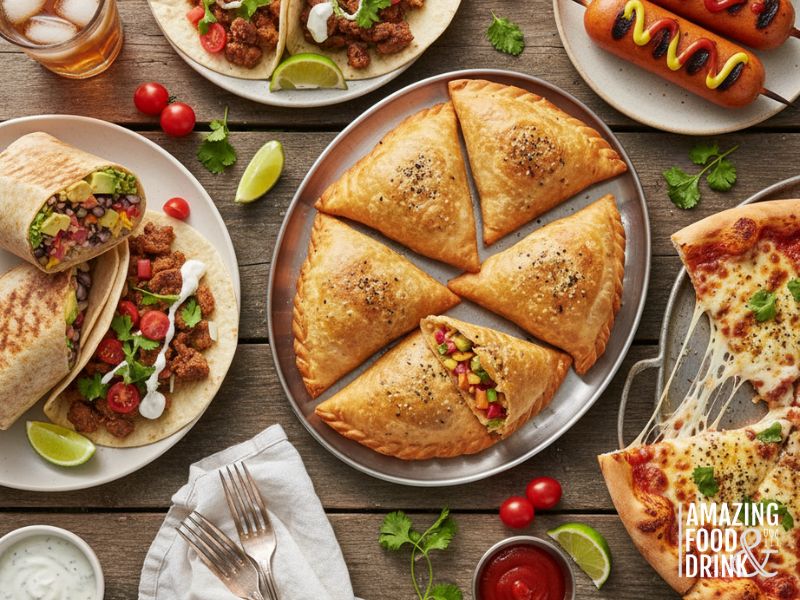
Lunch recipes solve midday meal dilemmas whilst offering portability and meal prep potential. These ideas work brilliantly for office workers, students, and busy parents seeking quick solutions.
6. Grilled Corn Dog
Nostalgic carnival food brings back happy memories.
Photography tip: Bright background with visible grill marks. Appeals to families and anyone seeking quick, fun lunch options that kids will actually eat.
7. Exotic Burrito
Customisable Mexican-inspired lunch with colourful filling options.
Photography tip: Cut in half to show layers of colourful fillings. Perfect for meal prep content, this approach demonstrates cultural diversity in your recipe selection.
8. Lamb Tacos
Elevated street food that photographs beautifully.
Photography tip: Use bright lighting to showcase the texture of meat and fresh toppings. Ideal for food blogs focusing on international cuisines and weekend cooking projects.
9. Middle Eastern Mozzarella Pizza
Fusion recipe combining comfort food with exotic flavours.
Photography tip: Use a cheese pull shot when slicing for maximum engagement. Great for demonstrating creativity and appealing to adventurous eaters.
10. Empanadas
Hand-held perfection with visible filling when cut open.
Photography tip: Cut one open to reveal colourful filling. Excellent for party food content and appeals to various cultural backgrounds.
Impressive Dinner Recipes
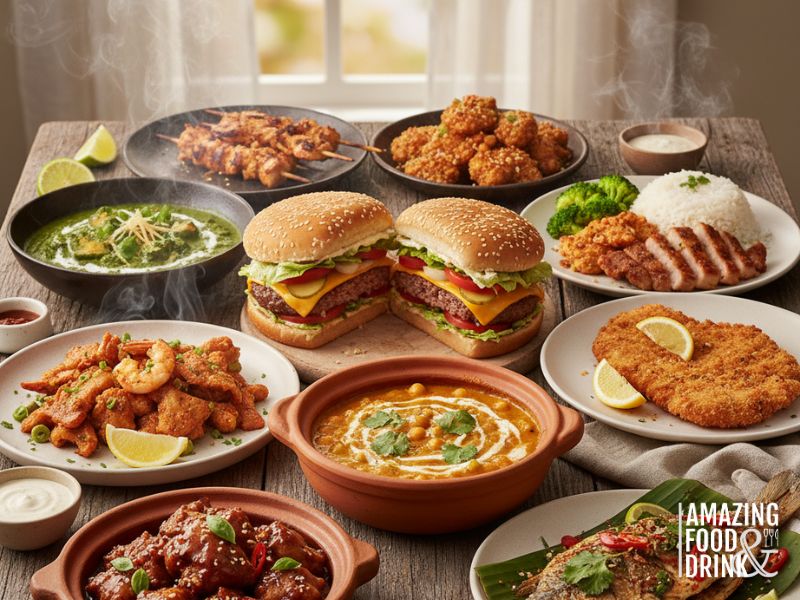
Dinner content attracts the highest engagement as followers plan evening meals. These recipes strike a balance between visual appeal and practical preparation, offering both weeknight solutions and special occasion showstoppers.
11. Homemade Big Mac Double Cheeseburger
Restaurant copycat recipes always generate curiosity and shares.
Photography tip: Use a 45-degree angle to show all layers dramatically. Perfect for engaging broad audiences with familiar comfort food made better at home.
12. Indian Saag
Vibrant curry showcasing international flavours and dietary inclusivity.
Photography tip: A dark bowl contrasts with bright green curry. Appeals to vegan, vegetarian, and health-conscious followers simultaneously.
13. Delicious Chickpea Curry
Budget-friendly, pantry-staple recipe solving “what’s for dinner?” panic.
Photography tip: Colourful bowl with garnish on top. Ideal for student-focused content and demonstrates accessible international cooking.
14. Chinese Three Cup Chicken
An authentic international recipe with a unique name generates curiosity.
Photography tip: Close-up showing glossy sauce coating. Perfect for food blogs educating followers about traditional cooking techniques.
15. Full Asian Honey Chicken Meal
Complete meal solution reducing decision fatigue.
Photography tip: An overhead shot of chicken, rice, and complementary sides. Appeals to busy families wanting complete dinner solutions in one post.
16. Crispy Chicken Schnitzel
Golden, photogenic classic that teaches technique.
Photography tip: Golden breading close-up with lemon wedge. Excellent for demonstrating cooking skills whilst creating crave-worthy content.
17. Easy Sautéed Pork
Quick protein preparation for weeknight efficiency.
Photography tip: Sizzling pan shot with caramelised edges visible. Perfect for time-strapped followers needing 15-minute dinner solutions.
18. Marinated Chicken Skewers
Versatile BBQ favourite with endless seasoning variations.
Photography tip: Grill marks are visible and arranged artistically on the platter. Ideal for summer content and demonstrates meal prep efficiency.
19. Grilled Prawn Skewers
Elegant seafood option, photographing beautifully with inherent sophistication.
Photography tip: Create a smoky background by arranging skewers diagonally. Appeals to health-conscious and sophisticated food blog audiences. The natural colour and shape of prawns create stunning visual content that consistently performs well across all platforms.
20. Spicy Thai-Style Fish
Exotic flavours with dramatic presentation potential.
Photography tip: Action shot with sauce being drizzled. Perfect for demonstrating international cooking whilst maintaining accessibility.
Delicious Side Dishes & Salads
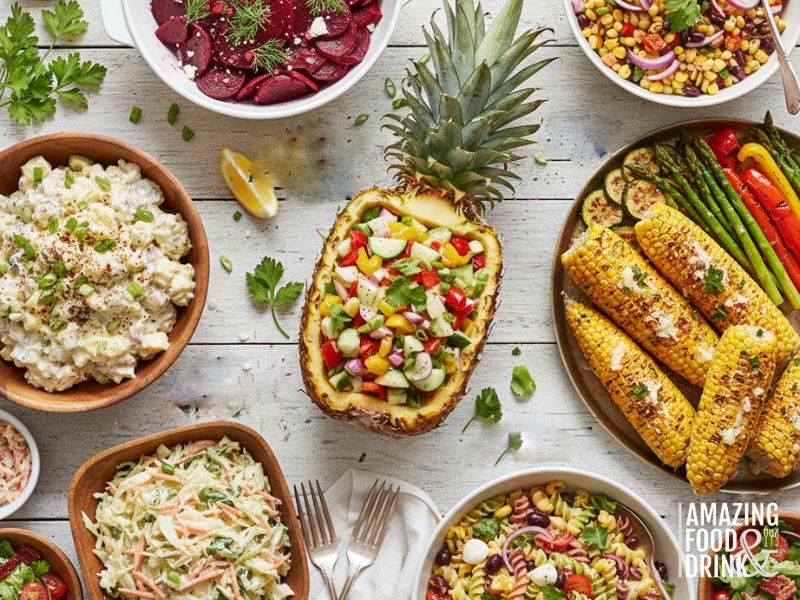
Side dishes and salads provide content variety whilst solving the “what goes with this?” question. These recipes photograph beautifully and offer the convenience of being made ahead.
21. Healthy Beetroot Salad
Vibrant colours creating instant visual impact.
Photography tip: Use bright colours against a white background for maximum contrast. Perfect for health-focused blogs that demonstrate nutritious food can look stunning.
22. Spanish Bacon Salad
International flair balancing indulgence with nutrition.
Photography tip: Overhead shot showing even ingredient distribution. Appeals to followers seeking elevated salad concepts beyond basic greens.
23. Outstanding Potato Salad
Classic comfort with a modern presentation twist.
Photography tip: A close-up shot showcasing a creamy texture and fresh herb garnish. Ideal for picnics, BBQs, and summer gatherings.
24. Fresh Corn Salad
Seasonal, colourful side bursting with summer vibes.
Photography tip: Bright overhead shot showing colourful kernel mixture. Perfect for capitalising on seasonal produce trends.
25. Classic Coleslaw
A versatile staple that everyone recognises, but few get perfect.
Photography tip: Side view showing dressing coating shredded vegetables. Great for demonstrating how to elevate familiar recipes.
26. Vegetable Pineapple-Plate Salad
Showstopper presentation creating massive visual impact.
Photography tip: Use a hollowed pineapple as a serving vessel. Perfect for generating saves and shares due to the unique presentation.
27. Irresistible Pasta Salad
Crowd-pleaser combining carbs, vegetables, and protein.
Photography tip: A close-up shot of pasta shapes and colourful vegetables. Ideal for meal prep and potluck-focused content.
28. Marinated Vegetable Mix
Grilled vegetables are elevated through strategic seasoning.
Photography tip: Grill basket shot with visible char marks. Appeals to vegetarian followers and BBQ enthusiasts simultaneously.
29. Flavoured Corn on the Cob
Simple summer staple with flavour upgrade potential.
Photography tip: Diagonal arrangement showing golden butter glaze. Perfect for demonstrating how small tweaks elevate basic recipes.
Comforting Mains & One-Pot Wonders
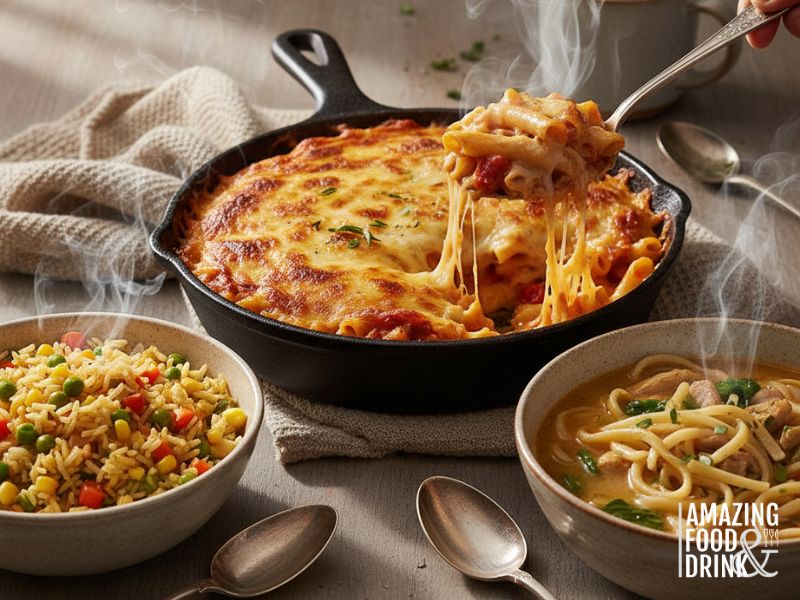
One-pot meals and comfort food generate exceptional engagement by solving multiple problems: minimal cleanup, family-friendly appeal, and cosy satisfaction that photographs beautifully.
30. Creamy Pasta Bake
Ultimate comfort food with photogenic cheese pull potential.
Photography tip: Slice photo showing bubbling cheese and distinct layers. Perfect for winter content and universally appealing to families.
31. Vegetable Rice
Versatile base recipe accepting endless variations.
Photography tip: Fluffy rice texture with vegetables visible throughout. Ideal for demonstrating how simple ingredients create satisfying meals.
32. Creamy Noodle Soup
Warming comfort in a bowl with cosy appeal.
Photography tip: Steaming bowl shot showing noodles and vegetables. Perfect for cold-weather content, generating high save rates.
Burgers & Sandwiches
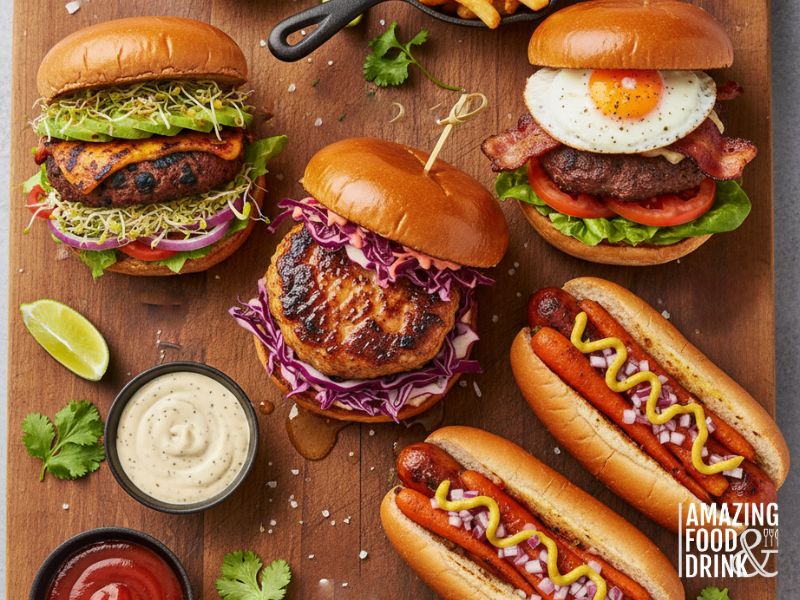
Hand-held meals are convenient and solve quick meal needs. These recipes demonstrate creativity whilst maintaining the familiar comfort that audiences crave.
33. Special Veggie Burger
Health-conscious burger alternative without sacrificing satisfaction.
Photography tip: Stack showing colourful vegetable layers. Appeals to flexitarian audiences seeking occasional healthy swaps.
34. Juicy Pork Burger
Underutilised protein creates curiosity and conversation.
Photography tip: Side view showing juice and caramelisation. Perfect for demonstrating alternative burger proteins beyond beef and chicken.
35. California BLT Burger
Elevated classic with a photogenic fried egg addition.
Photography tip: Cross-section showing all layers, including runny yolk. Ideal for generating “I need this now” engagement reactions.
36. Clever Carrot Dogs
Plant-based hot dog alternative creating conversation.
Photography tip: A close-up shot that convincingly mimics a hot dog appearance. Perfect for vegan blogs and demonstrates creative meat alternatives.
Snacks & Appetisers
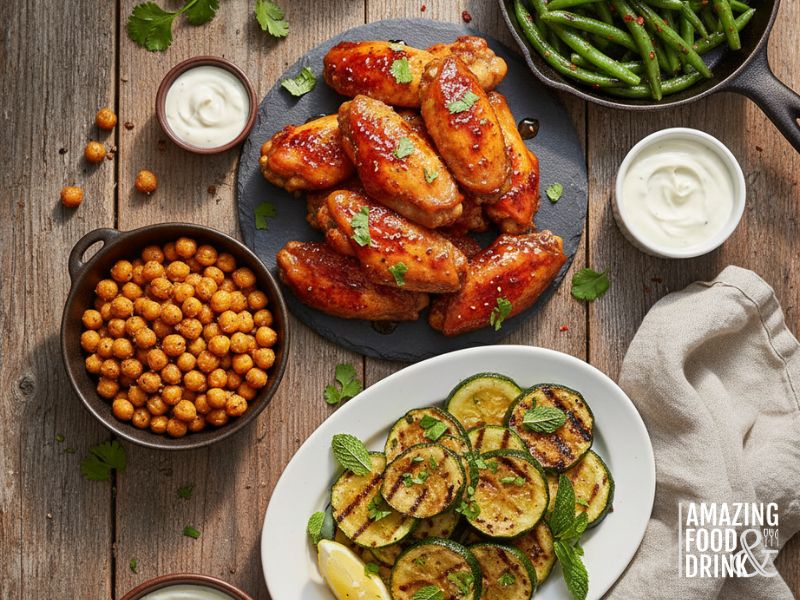
Snack content fills gaps between main meals whilst offering quick-win recipes that boost follower confidence. These ideas work brilliantly for parties and casual entertaining.
37. Tender Chicken Wings
Party favourite with sauce customisation potential.
Photography tip: Stacked wings showing glossy coating. Perfect for sports events, parties, and casual weekend content.
38. Grilled Courgette
Vegetables transformed into an addictive snack.
Photography tip: Grill marks are visible with herb garnish. Ideal for demonstrating how vegetables become crave-worthy through proper technique.
39. Versatile Chickpeas
Pantry staple with infinite preparation possibilities.
Photography tip: Various chickpea preparations displayed together. Perfect for creating multiple posts from a single in-depth exploration of an ingredient.
40. Grilled Beans
Underrated vegetable becoming the star attraction.
Photography tip: A close-up shot showing char marks and seasoning. Excellent for teaching proper vegetable preparation techniques.
Sweet Treats & Desserts

Dessert content generates exceptional engagement through indulgence appeal and stunning visual potential. These recipes strike a balance between accessibility and impressive presentation.
41. Scottish Shortbread
A classic cookie with layers that create visual interest.
Photography tip: Overhead showing chocolate layers between cookies. Perfect for tea-time content and cultural recipe exploration.
42. Blueberry Pound Cake
Simple cake photography is beautiful with the addition of fruit.
Photography tip: Slice on a plate showing moist interior texture. Ideal for demonstrating accessible baking success.
43. Matcha Cookies
Trendy ingredient creating vibrant green visual appeal.
Photography tip: Stacked cookies with matcha powder dusted on top. Perfect for health-conscious dessert alternatives.
44. Strawberry Tarts
Layered dessert with impressive presentation potential.
Photography tip: Slice removed showing distinct layers and berries. Excellent for special occasions and celebratory content.
45. Fluffy Muffins
Bakery-style muffins teaching dome-top technique.
Photography tip: Overhead shot of muffin tin showing golden tops. Perfect for breakfast or snack content with make-ahead appeal.
46. Chocolate Raspberry Bars
No-bake dessert with dramatic colour contrast.
Photography tip: Cut bars showing chocolate layers and raspberry swirls. Ideal for summer content when ovens feel unbearable.
47. Classic Cherry Pie
Seasonal baking showcasing lattice work artistry.
Photography tip: Lattice top with cherries visible and steam rising. Perfect for teaching decorative baking techniques.
48. Healthy Rhubarb Crisp
Fruit dessert balancing indulgence with wholesomeness.
Photography tip: A close-up shot of the crumbly topping and fruit filling. Excellent for spring content using seasonal produce.
Refreshing Beverages
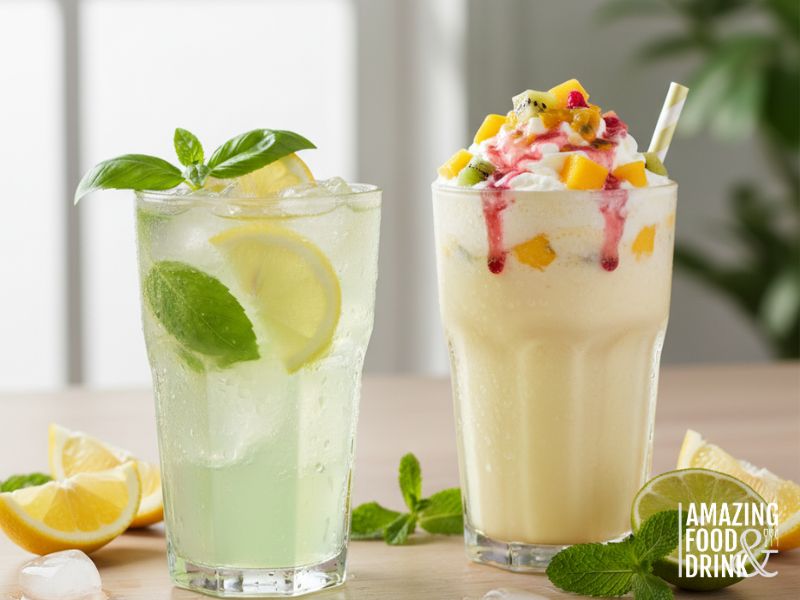
Beverage content provides quick posts that require minimal preparation, while offering vibrant colours and a refreshing appeal. Perfect for filling content calendars efficiently.
49. Basil-Lemon Juice
Unexpected herb addition creates a conversation starter.
Photography tip: Condensation on glass with herb garnish. Perfect for demonstrating creativity with familiar ingredients.
50. Tropical Milkshake Lemonade
Creamy twist on classic refreshment.
Photography tip: Capturing condensation on glass with a citrus garnish. Ideal for hot weather content and demonstrates beverage innovation.
You now have 50 proven recipes for food blog success, professional photography techniques, and engagement strategies to launch your successful food blog. Every food blogging influencer started exactly where you are now, uncertain but willing to take that first step. Choose one recipe from this guide, photograph it using natural light, and share your authentic passion with the world. Your food blogging success story begins with a single post, so stop waiting for perfection and start creating today.
FAQs
1. How long does it take to grow a successful food blog?
It typically takes 6–12 months to see noticeable growth. Stay consistent, focus on high-quality content, and continue to engage with your audience. That’s what builds steady success.
2. Do I need professional photography equipment to start?
Not at all! Your phone camera works perfectly fine. First, learn the basics of good lighting and editing. You can invest in gear later once you’ve found your style.
3. How do food bloggers make money?
There are various ways to earn, including affiliate links, digital products, sponsored posts, and brand deals. You don’t need a huge following to start earning; even a few thousand engaged followers can bring in income.
4. What’s the best social media platform for food blogging?
Currently, TikTok and Instagram Reels are the most effective platforms for growth. Instagram helps you build a loyal community, YouTube is great for long-term revenue, and Pinterest drives blog traffic. Start with TikTok and Instagram, then grow from there.
5. How often should I post on my food blog?
Aim for 2–3 posts a week. Consistency is key; it keeps your audience interested and algorithms happy. Batch content when you can, so you don’t stress about posting at the last minute.