Cuisinart Food Processor Recipes: Creativity and Mastery Made Simple
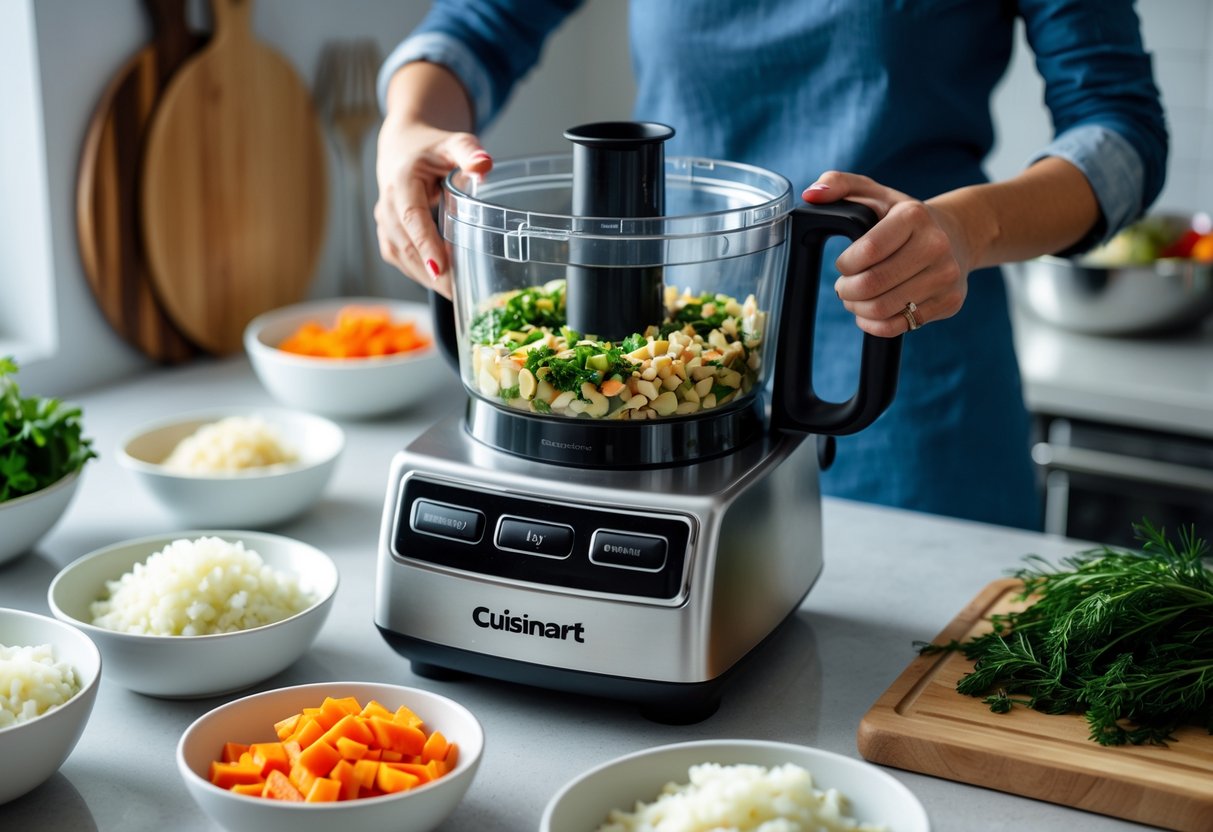
A Cuisinart food processor really shines at three things: chopping veggies evenly in seconds, making dough without tiring your arms, and blending up pesto or hummus to just the texture you want.
You’ll get the best results if you match the right blade to each job, use the pulse button for control, and don’t fill the bowl more than about two-thirds full. Honestly, these little habits are what separate perfectly chopped onions from a soggy mess.
A lot of people buy a food processor and then, for some reason, barely use it. It ends up tucked away while you still chop veggies by hand.
That’s a bit of a waste, since this machine can actually tackle pastry, nut butters, bread crumbs, and fresh salsas with hardly any effort—once you get how the attachments work.
Here’s a guide to what your Cuisinart does best, what to skip, and how to use it for consistent results.
You’ll also find tested recipes that really let your food processor shine, whether you’re in a hurry on a weeknight or want to impress guests without a ton of effort.
Key Takeaways
- Use the right blade or disc for each task and try the pulse function for better texture.
- Cuisinart food processors are great for chopping, shredding, making dough, and thick purées like pesto and hummus.
- Clean blades carefully with a brush, never submerge the motor base, and let all parts dry before storing.
What Your Cuisinart Food Processor Does Best
You can tackle repetitive prep work much faster with a Cuisinart food processor than with a knife.
It’s especially handy for transforming whole ingredients—chopping, slicing, shredding—so batch cooking or recipes that need even cuts become way easier.
Core Functions: Chopping, Slicing, Shredding, and More
The S-blade chops veggies, herbs, and nuts quickly with a few pulses.
It’s perfect for pesto, hummus, or breaking down hard cheeses like Parmesan. Pulsing keeps you from over-processing, so you don’t end up with watery onions or mushy herbs.
Slicing and shredding discs give you uniform cuts that cook evenly. The slicing disc slices potatoes for gratins, cucumbers for salads, and courgettes for tarts.
The shredding disc is your friend for coleslaw carrots, cheese for cottage pie toppings, and cabbage for homemade sauerkraut. You’ll save a lot of time compared to a box grater.
Most Cuisinart models come with a dough blade that mixes and kneads bread, pastry, and pizza dough.
It brings together flour and butter for scones or shortcrust, but doesn’t overwork the dough. This is especially useful when you want cold fat to stay in pieces.
Why It Excels at Versatile Recipes
Food processors can handle both wet and dry ingredients from all sorts of cuisines.
You can make smooth nut butters from roasted nuts, fresh salsas from tomatoes and coriander, and creamy soups from cooked veggies. The same machine makes breadcrumbs from stale bread, grinds spices, and emulsifies mayonnaise.
Interchangeable blades and variable speed controls give you a lot of flexibility. Pulse settings let you keep chunky sauces chunky, or make coarse nut mixes.
Let it run for silky smooth patés or purées. The machine adapts to what you need, not the other way around.
The wide bowl lets you process more at once than a blender, and you still get even texture.
A 14-cup model can handle a whole batch of pastry dough or prep veggies for weekly meal prep all at once.
Everyday Meal Prep: Time and Effort Savings
Batch prep gets a lot easier with a food processor. You can slice three kilos of potatoes in just a few minutes, compared to the half hour it’d take by hand.
Shredding a block of cheddar for sandwiches or jacket potatoes? That’s done in seconds.
You’ll save your wrists from all those repetitive cuts. Chopping onions, carrots, and celery for stock bases doesn’t have to take ages anymore.
Processing whole carrots into matchsticks for stir-fries means you can skip the fiddly julienne cuts.
Tasks like making jars of pesto when basil’s in season, blending roasted veggies for soup bases, or mixing up homemade burgers get a lot less tiring.
The food processor handles these jobs with way less effort than doing it all by hand.
Essential Parts, Attachments, and How They Work
A Cuisinart food processor comes down to three main parts: the work bowl for ingredients, the s-blade for most chopping, and special discs for slicing or shredding.
Each attachment does something different, from kneading dough to juicing citrus.
Understanding Blades and Discs
The s-blade is the main workhorse. It sits at the bottom of the bowl and chops, purees, and mixes.
Its sharp edges spin fast, cutting through veggies, nuts, and herbs in no time.
Slicing discs come in several thicknesses, usually from 2mm to 6mm. You feed food through the tube, and it slides across the disc for even slices.
The shredding disc works similarly but has holes or teeth that grate food—great for coleslaw or cheese.
Most models give you standard and reversible discs. A reversible disc lets you slice on one side and shred on the other, so you save a bit of storage space.
The cut thickness depends on which disc you choose.
The Work Bowl and Safety Features
The work bowl locks into the base and won’t run unless you’ve got it properly in place.
This keeps the motor from turning on if the bowl or lid isn’t lined up. Most Cuisinart models have alignment marks to help you get it right.
The lid has a feed tube for adding things while the processor runs. You use a pusher to guide food toward the blade or disc.
Always use the pusher—don’t use your fingers or utensils, since those blades spin fast.
Bowl size ranges from 7 to 14 cups depending on your model. Only fill to the marked line, or you’ll risk overflow.
Special Attachments: Dough Blade to Citrus Juicer
The dough blade has blunt edges so it kneads bread and pastry dough without over-mixing.
Unlike the sharp s-blade, it folds and presses dough gently to develop gluten. It’s especially good for pizza dough, bread rolls, and shortcrust pastry.
Some models give you a citrus juicer attachment that fits over the drive shaft. The reamer pulls juice from lemons, limes, and oranges, keeping seeds and pulp out.
A whisk attachment whips egg whites, cream, and light batters.
Handle food processor blades carefully when you install or clean them. The s-blade and discs stay sharp for years.
Store attachments in their packaging or a case to protect both the blades and your fingers.
Mastering Food Processor Techniques
Once you learn a few tricks, you can turn your Cuisinart from a basic chopper into a professional kitchen tool.
The slicing disc gives you even veggie cuts for gratins and salads, and the pulse button lets you control texture for everything from chunky salsa to creamy dips.
Getting Perfect Slices and Shreds
Slicing and shredding discs work best when your ingredients are firm and cut to fit the feed tube. Cut veggies into pieces that fit snugly, but don’t force them.
This helps create even pressure and consistent results.
Use steady, moderate pressure with the pusher. Too much force makes uneven slices; too little gives you irregular pieces.
Cold ingredients slice better than warm ones. Chill cheese for 15 minutes before shredding so it doesn’t get mushy.
Different discs, different results:
- Thin slicing disc: cucumbers, radishes, potatoes for chips
- Medium slicing disc: onions, carrots, courgettes
- Shredding disc: cheese, cabbage, beetroot
How you position food in the feed tube matters. Lay cucumbers sideways for rounds, stand them up for long strips.
That one little change totally alters how your finished dish looks.
Blending, Pureeing, and Emulsifying
The S-blade handles wet and dry ingredients differently. For smooth purees, pour in the liquid first, then add solids.
This helps prevent chunks from hiding beneath the blade. Scrape down the bowl sides a couple of times during processing to catch any bits that get stuck.
If you’re making mayonnaise or another emulsion, use the feed tube and pour oil in slowly.
Let the processor run while you drizzle oil through the small opening in the pusher. The blade should be spinning at full speed before you add any oil.
Let hot ingredients cool a bit before pureeing. Only fill the bowl halfway with hot soup or sauce, or you’ll risk leaks.
Process in batches if you need to, instead of overfilling and ending up with a mess.
Using the Pulse Function for Control
The pulse button gives you short bursts of power. Tap it for one-second intervals; don’t just hold it down.
This way, you avoid over-processing and can check texture as you go.
Mincing herbs works best with 8-10 quick pulses. Make sure the leaves are dry, or you’ll get a paste instead of minced herbs.
A pinch of salt can help absorb moisture and keep herbs from clumping.
For pastry dough, use a gentle touch. Pulse butter and flour until the mix looks like breadcrumbs—usually 10-12 pulses.
Add water through the feed tube while pulsing, just until the dough starts to come together.
Stop before it forms a ball, since the blade can heat up the dough and make your pastry tough.
How to Use Your Cuisinart Food Processor Properly
You’ll get the most from your Cuisinart food processor if you assemble it correctly, run it the right way, and know how to handle little hiccups.
Getting these basics down will help you avoid damaging the machine and make sure your results stay consistent.
Safe Assembly and Setup
Set the base on a flat, solid surface before you start putting things together.
Align the work bowl with the base markings and twist clockwise until it locks. If the bowl isn’t secure, you might get leaks or the motor might not start.
Drop the blade shaft into the center of the bowl before adding your ingredients. The S-blade works for most things, while slicing and shredding discs are best for veggies and cheese.
Some models need a plastic adapter under the blade, so check your manual if you’re not sure.
Line up the lid with the bowl and base arrows, then twist until you hear a click. Most Cuisinart models won’t run unless the lid’s locked.
Never fill past the maximum line inside the bowl. Overfilling can lead to poor blending and messy spills.
Correct Operation and Best Practices
Start with the lowest speed for delicate jobs like herbs or soft veggies. Bump up the speed as you tackle tougher stuff—think nuts or hard cheese.
I really like the pulse function when I want more control over texture instead of just turning everything into mush. It’s especially handy for chunky salsas or chopping onions without pulverizing them.
If you’ve got a mountain of ingredients, work in batches. Chop things into uniform pieces about 2-3 cm first so you get even chopping. When you’re dealing with hard veggies like carrots, feed them in while the machine runs instead of dumping them in the bowl all at once.
Every 20-30 seconds, stop the processor and scrape down the sides with a spatula. This helps blend everything evenly. Always remove the lid and turn off the power before sticking any utensil in there—safety first.
For liquid recipes, pour them through the feed tube while the machine runs. That way, you get a better emulsion and way less splashing.
Troubleshooting and Common Issues
If the motor just won’t start, check that the bowl and lid are locked in place. The safety mechanism kicks in if parts aren’t lined up right. Unplug, reassemble, and listen for that locking click.
When food gets stuck under the blade, it usually means you overfilled the bowl. Take out half and process in two rounds. Smaller batches just work better.
If you end up with uneven chopping, you probably started with pieces of different sizes. Cut everything to about the same size and use short pulses for more control.
If the machine stops in the middle of processing, the motor may have overheated. Cuisinart builds in thermal protection that shuts off power if things get too hot. Unplug and give it 15-20 minutes to cool down. Processing less at a time helps avoid this.
Classic Cuisinart Food Processor Recipes
The Cuisinart food processor really shines with classic recipes that need chopping, mixing, or kneading. That S-shaped blade makes silky hummus and kneads bread dough, while the slicing disc nails even veggie cuts for salads.
Timeless Appetisers and Dips
Hummus is a great place to start if you’re new to the Cuisinart. It turns tinned chickpeas, tahini, lemon juice, and garlic into a smooth spread in about 30 seconds. Toss in an ice cube or two while blending for extra creaminess—kind of a neat trick.
Pesto couldn’t be easier. Just pulse fresh basil, pine nuts, Parmesan, and olive oil for less than a minute. You’ll want to scrape down the sides a couple of times so everything blends evenly.
Salsa fresca comes out best when you use the pulse function. Chop tomatoes, onions, jalapeños, and coriander separately, then combine for a chunky mix. Overdo it and you’ll just end up with soup.
Guacamole? Give avocados a quick pulse with lime juice, red onion, and salt. Three to five pulses are plenty if you want some texture left.
Homemade Breads and Doughs
Making pizza dough is so much easier with the dough blade. Toss in flour, yeast, salt, and water, then let it run for about 45 seconds until it forms a ball. You’ll skip ten minutes of kneading by hand.
Shortcrust pastry comes together better in the processor, too. Pulse cold butter with flour until it looks like breadcrumbs, then add ice water a little at a time. This keeps the dough tender and not overworked.
Scone dough works out well because the processor keeps the butter cold. The whole thing takes under 20 seconds, and you don’t have to worry about melting the fat with your hands. Flakier scones, every time.
Iconic Sides and Salads
Coleslaw prep goes lightning fast with the slicing disc. Red and white cabbage slice up in seconds, and then you can shred carrots with the other disc. Everything comes out even and ready to dress.
Potato gratin needs thin, even slices, and the adjustable slicing disc totally delivers. You get uniform 2mm slices that cook at the same rate, so every layer is creamy.
Cauliflower rice is having a moment as a lower-carb swap. Break up florets and pulse them eight to ten times for rice-sized bits. But don’t overdo it or you’ll get mush.
Modern Healthy Recipes for Every Mealtime
A food processor can tackle quick breakfasts, veggie sides, and even whole main meals. It’s a lifesaver for prep-heavy recipes like energy balls, cauliflower rice, or anything that needs lots of chopping.
Breakfast Ideas Made Effortless
Morning meal prep gets way easier with a processor. You can blend overnight oats with nuts and dried fruit in seconds and have perfect portions for the whole week. For a protein boost, whip up egg mixtures for frittatas or turn cottage cheese into a smooth spread.
Energy balls? Just pulse dates, nuts, and cocoa powder until you get a sticky dough. No need to get your hands messy. Pancake batter mixes up lump-free, too—flour, eggs, and milk come together without overworking the gluten.
Smoothie bowls get a better texture in the processor than in a regular blender. Frozen bananas and berries turn into thick, spoonable goodness. If you’re planning a full Irish breakfast recipe, use the processor to chop mushrooms and tomatoes while the rest cooks.
Main Meals for Busy Days
Weeknight dinners move faster when the processor handles the chopping. It shreds rotisserie chicken for salads or wraps in under a minute. For veggie-heavy mains like cauliflower pizza bases or courgette fritters, the grating disc is a game changer.
You can process raw chicken or turkey into mince for burger patties or meatballs—great if you want to control what goes in. It also blends white beans or chickpeas for plant-based patties, which cook quicker and soak up more seasoning.
Soups turn out better when you process veggies before cooking. Even pieces mean everything cooks at the same speed, so you don’t get mushy bits or undercooked chunks. For hearty dishes, the processor chops veggies for traditional Irish stew recipe prep, saving loads of time.
Pasta sauces get more flavor when you process tomatoes, garlic, and herbs together before simmering. It’s a step up from hand-chopping, honestly.
Innovative Sides and Low-Carb Options
Cauliflower rice is probably the most popular low-carb side you can make with a processor. Pulse raw florets into rice-sized bits—just don’t go too long or it’ll turn to mush.
Brussels sprouts shred in seconds with the slicing disc, making them great for salads or quick sautés. The processor makes quick work of tough veggies that are a pain to cut by hand. Broccoli stems, which usually get tossed, turn into a tasty slaw with carrots and cabbage.
Sweet potatoes grate into hash browns or fritters easily, especially when mixed with eggs and seasonings. The even shred means no raw centers or burnt edges. Root veggies like celeriac and turnip process and steam into low-carb mash alternatives.
Fresh herb sauces and pestos are a breeze. Basil, parsley, or coriander blend with nuts, olive oil, and garlic into bright green sauces in minutes. These add flavor and nutrients without piling on calories.
Speciality Recipes to Impress
A food processor turns tricky techniques into simple steps. You can whip up restaurant-style nut butters, fancy desserts, and showstopping party dishes without breaking a sweat. It’s surprisingly versatile if you’re willing to experiment a bit.
Homemade Nut Butters and Spreads
Making homemade nut butter is honestly just about patience and a good processor. Dump in raw nuts and let it run—they’ll go from coarse meal to thick paste, and finally to smooth, pourable butter in eight to twelve minutes, depending on the nut.
Keep it running without stopping. The heat from the blade releases the nuts’ oils, turning dry crumbs into creamy butter. If you roast the nuts at 180°C for ten minutes first, you’ll get deeper flavor and a faster blend.
Once you’ve nailed the basic nut butter, you can get creative. Add honey, sea salt, or cacao powder for different flavors. Almond butter tastes great with a splash of vanilla, and cashew butter loves a pinch of cinnamon. These spreads last up to three weeks in the fridge.
Creative Desserts and Treats
The processor takes the hassle out of pastry. It cuts cold butter into flour faster and more evenly than by hand, giving you that perfect flaky texture for tarts, pies, or shortbread. Using the pulse function keeps you from overworking the dough.
Raw desserts are a breeze. Energy balls made from dates and nuts come together in seconds. Raw brownies just need cocoa, dates, and nuts—pulse and you’re done. For cheesecake bases, blitz biscuits and melted butter in under thirty seconds.
If you’re curious about other desserts, traditional Chinese desserts often use similar techniques. Sorbets are easy—just frozen fruit and a spoonful of honey, processed until smooth. No ice cream maker needed.
Showstopping Entertaining Recipes
Dips and spreads feel effortless in a food processor. Whipped feta dip comes together in under two minutes with feta, cream cheese, olive oil, and lemon juice. Smoked mackerel pâté is just cooked fish, crème fraîche, horseradish, and dill—done in a flash.
Herb-crusted meats look and taste pro when you use the processor for fine herb-breadcrumb coatings. Pulse parsley, thyme, garlic, and panko for a coating that sticks and browns evenly.
You can prep make-ahead components like stuffings, pestos, and compound butters days before a party. This takes the stress out of entertaining and still delivers impressive results. Filipino salad recipes often need finely shredded veggies, and the processor’s attachments make that easy.
Recipe Showcases: Step-by-Step Examples
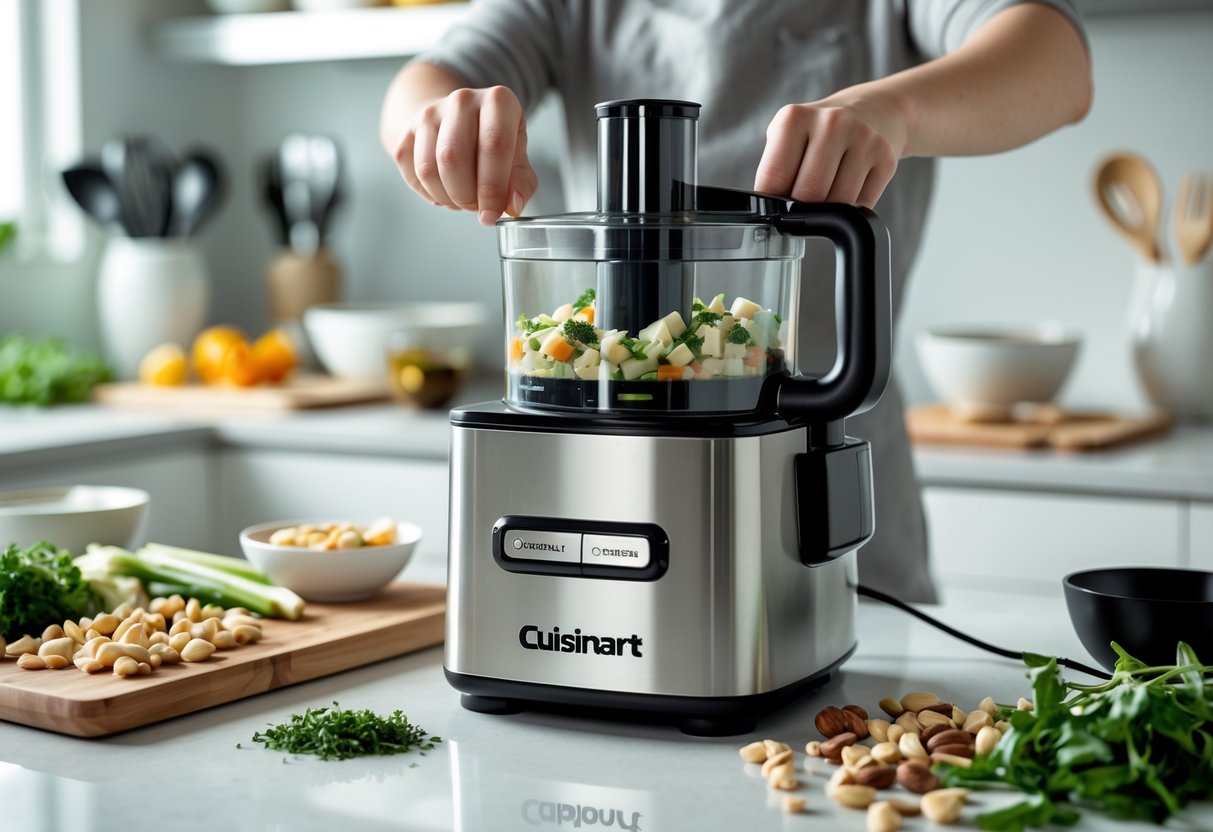
The Cuisinart food processor really shines with three kinds of recipes: smooth dips that need serious blending, veggie dishes that need consistent texture, and everyday family meals that benefit from fast prep.
Classic Hummus Recipe
A food processor turns chickpeas into silky hummus in less than two minutes. The S-shaped blade breaks down the beans while mixing in tahini and olive oil for a smooth, creamy spread.
Start with a 400g tin of drained chickpeas, saving 2-3 tablespoons of the liquid. Add the chickpeas, 3 tablespoons tahini, 2 tablespoons lemon juice, 1 crushed garlic clove, and half a teaspoon salt to the bowl. Process for 30 seconds.
Stop and scrape down the sides. With the processor running, drizzle in 3 tablespoons olive oil through the feed tube. Add the reserved chickpea liquid, one tablespoon at a time, until you get the texture you like. Processing should take about 60-90 seconds for that restaurant-quality finish.
Perfect Cauliflower Rice
Chopping cauliflower for rice can be a bit fiddly, but with a food processor, you actually get those tiny, grain-like pieces without turning it all to mush. The pulse function helps you control the texture—super handy.
Start by cutting up a medium cauliflower into florets, about 5cm each. Don’t overload the bowl; fill it only halfway so everything gets chopped evenly.
Pulse each batch 8 to 10 times, just for a second each time. You want the pieces to look like rice, not mashed cauliflower.
After each batch, empty it into a bowl before adding more florets. This way, you get a consistent texture throughout.
You can cook the cauliflower rice right away or stash it in an airtight container for up to four days.
Family Favourite Dishes Made Easy
The food processor seriously speeds up meal prep for dishes like cottage pie, bolognese, and fish cakes. Chopping veggies by hand takes ages, but the processor gets it done in seconds.
For a cottage pie, toss in one onion and two carrots. Six to eight pulses will do—just enough to get them finely chopped.
For fish cakes, pulse 400g of cooked white fish with mashed potato, herbs, and seasoning. Only pulse until it comes together; if you go too far, it gets gluey.
Use the chopping blade for grating cheese for pasta bakes or lasagne. Cut hard cheese into 3cm chunks and process until it’s just right.
Fresh breadcrumbs? Tear up some bread and process for about 10 seconds. Done.
Cleaning and Maintaining Your Cuisinart Food Processor
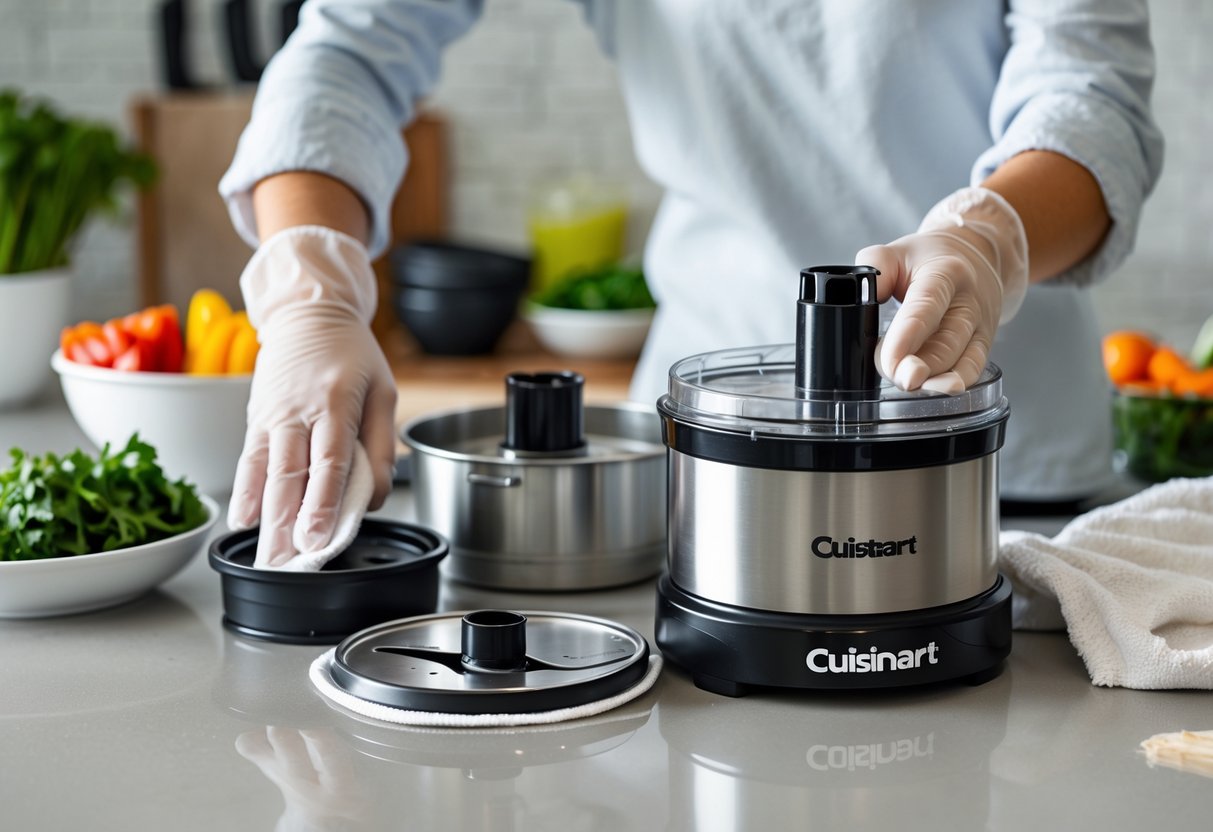
Cleaning your Cuisinart food processor right after each use keeps it in good shape and stops bacteria from building up. If you look after the discs and attachments, they’ll keep working well for years.
Routine Cleaning for Long-Lasting Performance
Take the food processor apart as soon as you’re done using it. Remove the bowl, lid, pusher, and all blades and discs from the base.
Wash the bowl, lid, and pusher in warm, soapy water with a soft sponge. Sure, most parts can go in the dishwasher, but I usually hand wash them to make them last longer.
Check the bowl’s centre post and the lid’s feed tube—food bits love to hide there.
Handle the blades carefully. Always grab them by the plastic centre, not the sharp edges.
Use a small brush or even an old toothbrush to get rid of food stuck around the blade.
Never put the motor base in water. Just wipe it with a damp cloth if you spill something or notice food residue.
A dry cotton bud works well to clean around buttons and controls where crumbs collect.
Deep Cleaning Methods
Tomato, turmeric, or beetroot stains can be stubborn. Make a paste with three parts bicarbonate of soda and one part water, then rub it on with a soft cloth.
Let it sit for 15 minutes, then rinse off.
Cloudy plastic bowls? Fill the bowl with warm water and add two tablespoons of white vinegar. Soak for 20 minutes and then wash as usual.
This helps remove mineral deposits and brings back some clarity.
If blades feel greasy, soak them briefly in hot water with a bit of washing-up liquid. Skip abrasive cleaners or scouring pads—they’ll scratch the plastic and ruin the blade edges.
Prolonging Blade and Disc Life
Keep blades and discs in their original cases or wrap them in tea towels to stop them from getting dull. I like to store them in a drawer, not loose in a cupboard where they can bang into other utensils.
Don’t process hard things like ice cubes, whole nutmeg, or frozen meat without liquid. That’ll blunt the blades in no time.
Cut ingredients into smaller chunks before processing. It’s easier on the motor and the blades.
Check everything after cleaning. Look at blade edges for nicks or dull spots, and see if any discs have bent teeth or warped bits.
Swap out damaged parts quickly to keep things running smoothly and avoid putting strain on the motor.
Maximising Value: Tips, Storage, and Advanced Uses
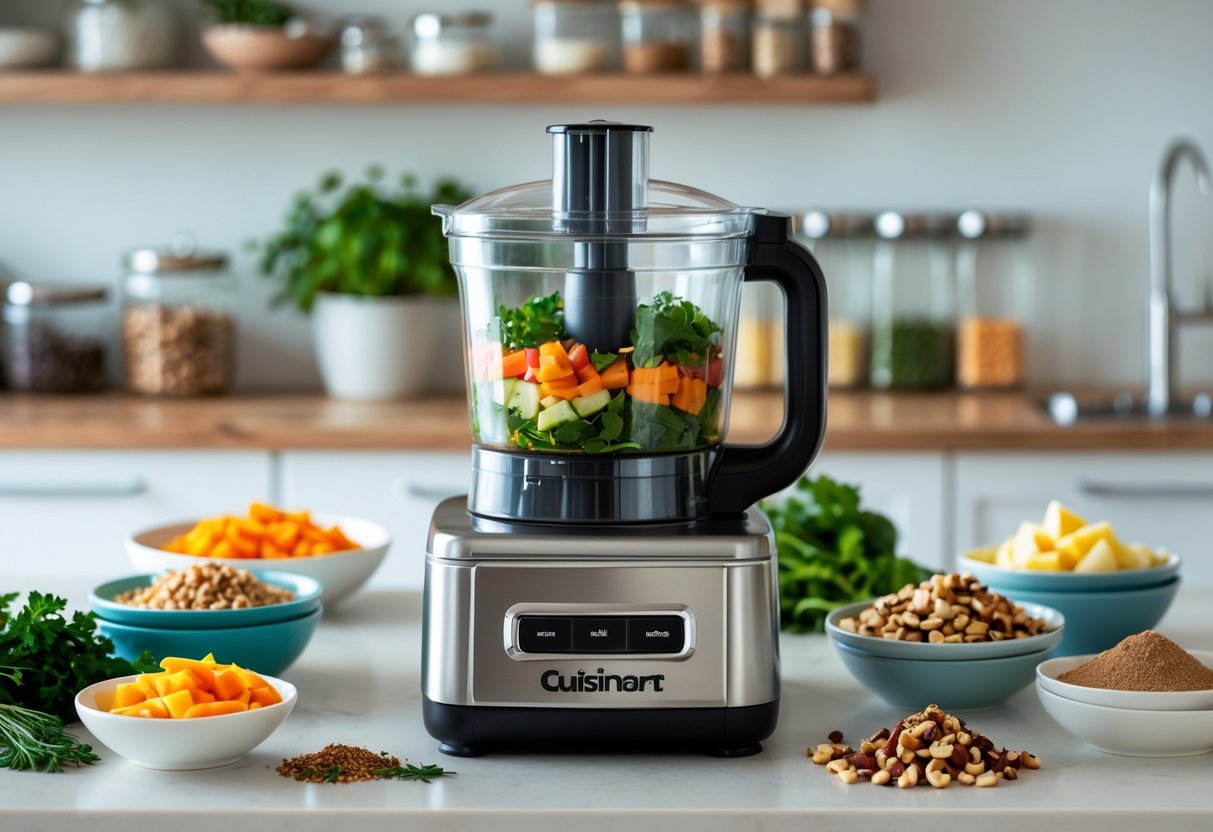
A food processor really earns its place on the counter if you use it often and look after it. Batch cooking gets way faster, and if you care for the blades and bowls, the machine can last for years.
Batch Cooking and Meal Prep Tips
The Cuisinart handles big batches in minutes. Chopping a full bowl of onions takes about fifteen seconds.
Do four onions at once, then freeze portions in bags for easy weekday dinners.
You can prep several ingredients one after another without washing the bowl in between. Start with dry things like nuts or breadcrumbs, move on to firm veggies, and finish with wet stuff like pesto or hummus.
This order keeps the bowl cleaner and saves you time.
The slicing disc is great for prepping veggies for meal containers. Run three courgettes through, layer with sauce, and you’ve got five days of gratin portions in just a couple of minutes.
The shredding disc can handle a kilo of cabbage for coleslaw in under thirty seconds—plenty for the week.
Double or triple your dough, sauce, or spread recipes. The food processor mixes up six pizza dough balls just as easily as one.
Wrap each dough ball and freeze them for up to three months.
Storage and Accessory Care
If you’ve got the space, keep the base unit on your counter. You’ll use it more often if it’s easy to grab.
Store the bowl, lid, and your favourite blades in a nearby cupboard.
Take care with blade storage. Use the original plastic cases or wrap the sharp edges in tea towels before putting them in drawers.
Never toss loose blades into a drawer—they’ll get dull and could cut you.
Clean everything right after you use it. Most Cuisinart bowls, lids, and blades can go on the dishwasher’s top rack.
Pay extra attention to the S-blade, especially around the centre column where food gets stuck. A bottle brush works well for those tricky spots.
If dough or nut butter sticks, soak the bowl in warm soapy water for ten minutes before washing.
Dry all the parts completely before storing to avoid water spots or mould hiding in lid crevices.
Advanced Culinary Techniques
A food processor really shines when you want to build deep flavour with fine processing. For a smooth liver pâté, pulse cooked livers with butter and brandy until it’s silky. The machine breaks down proteins that would stay grainy if you chopped by hand.
Emulsified sauces like aioli or Caesar dressing come together beautifully. The processor mixes in oil so it stays suspended, making thick, restaurant-style sauces that last for days.
For spice pastes and curry bases, grind whole spices with ginger, garlic, and chillies into a fine paste. This releases more flavour than pre-ground spices.
Add a bit of water if the mixture gets stuck and to stop it from overheating.
Handle delicate tasks gently. If you’re making scone dough, pulse cold butter into flour just three or four times.
Overdoing it develops gluten and gives you tough baked goods. Stop as soon as the mix looks like breadcrumbs with little bits of butter still showing.
Frequently Asked Questions
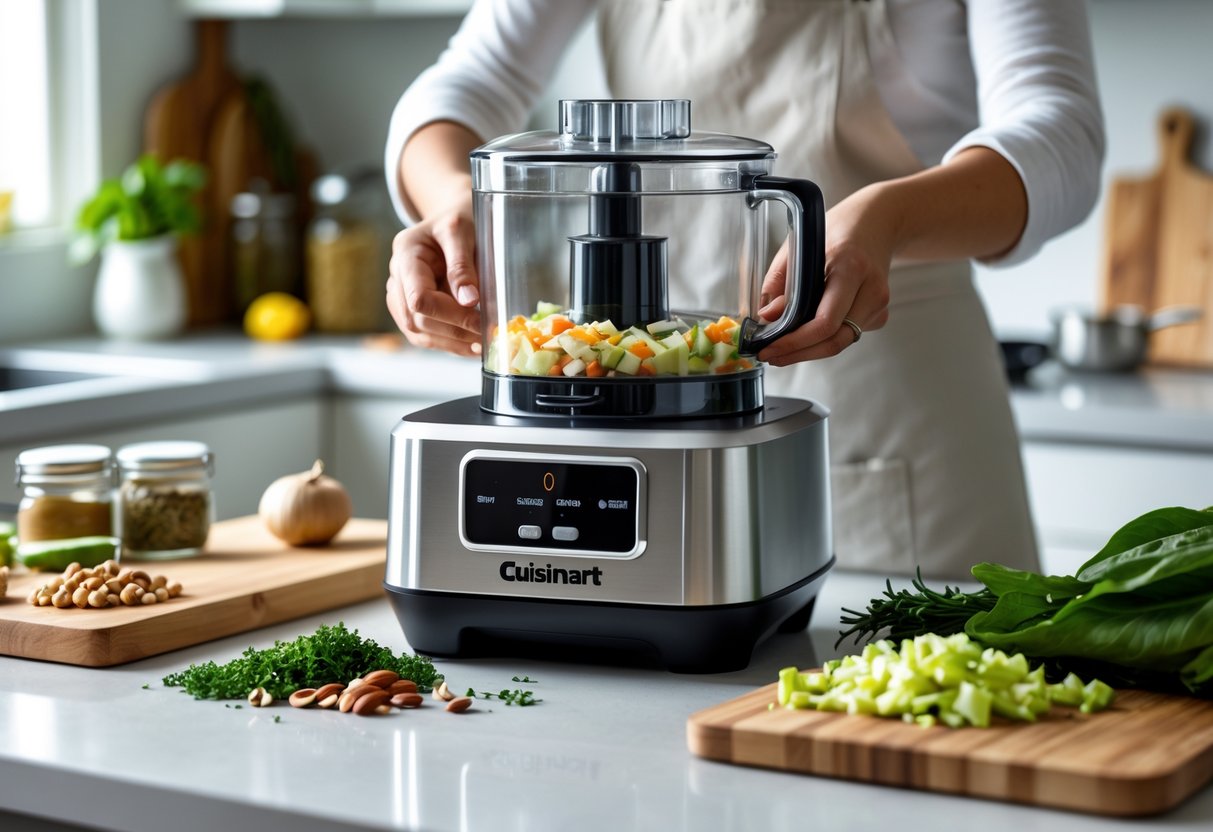
Getting the most out of your Cuisinart food processor comes down to assembly, attachments, and a few key techniques. Here are answers to the most common questions.
What are the essential techniques for assembling a Cuisinart food processor correctly?
Always start with the base on a flat, dry surface. Fit the work bowl onto the base using the twist-lock mechanism.
Line up the handles and turn the bowl clockwise until it clicks.
Drop the blade or disc onto the centre post. For the S-blade, it just sits right inside the bowl.
Lock the lid on top—another twist-lock. Most models won’t run unless the lid’s locked, which is a good safety feature.
Pop the pusher into the feed tube in the lid. It controls what goes in and keeps your fingers safe.
Never reach into the feed tube while the machine’s running.
Can you provide guidance on the optimal use of attachments for a Cuisinart food processor?
The metal S-blade takes care of most daily tasks—chopping, pureeing, and mixing. It works best if you cut food into even chunks first.
Use the pulse button for the most control, especially when chopping veggies or nuts.
The plastic dough blade is for kneading bread and pizza dough. Its blunt edges knead without heating things up.
Keep processing time under two minutes to avoid overheating and killing the yeast.
The slicing disc gives you even slices when you feed food through steadily. Tomatoes need a gentle push; potatoes can handle more pressure.
The shredding disc works best with firm cheeses and veggies. Let the machine do the work—don’t force anything through.
What culinary tasks is a Cuisinart food processor particularly well-suited for?
Hummus comes together in less than five minutes. Chickpeas, tahini, lemon juice, and garlic blend into a creamy dip that’s way better than store-bought.
The wide bowl helps everything blend smoothly.
Pastry and pie crust are a breeze. The processor cuts cold butter into flour in under a minute, keeping it nice and flaky.
It’s much quicker than mixing by hand.
Shredding cheese or veggies is effortless with the shredding disc. A block of cheddar turns into perfect shreds in seconds.
Freshly shredded cheese melts better than the pre-shredded stuff from the shop.
Pesto takes just two minutes. Basil, garlic, pine nuts, Parmesan, and olive oil blend into a vibrant sauce.
The processor emulsifies the oil, making the sauce smooth.
Could you list some of the top dishes best prepared using a Cuisinart food processor?
Coleslaw is easy—shred cabbage and carrots for even, professional-looking slaw. The shredding disc does a whole cabbage in no time.
Fresh salsa with diced tomatoes, onions, and peppers takes about three minutes. Use pulse control so it stays chunky, not soupy.
Nut butters from roasted almonds or peanuts take about eight minutes of processing. The nuts go from chopped to powdery to creamy, with no extra oils or sugar.
Energy balls with dates, nuts, and oats come together in seconds. The processor breaks down the sticky dates and mixes everything evenly.
Rolling them into balls is the only hands-on part.
Cauliflower rice is simple. Pulse raw cauliflower florets about 10 times with the S-blade.
You get rice-like texture without mush.
What are some common errors to avoid when operating a Cuisinart food processor?
Overfilling the bowl means food won’t process properly. Always fill it no more than halfway when chopping.
Running the motor too long can overheat both the food and the machine. This is especially a problem with dough or nut butters.
Stop every minute or so to check the consistency and let the motor rest.
Processing hot liquids is risky—the pressure can pop the lid off. Let soups cool for at least ten minutes before blending.
Only fill the bowl halfway with warm ingredients.
Forgetting to pulse when chopping turns veggies to mush. Don’t just hold down the button; use quick, one-second pulses and check as you go.
If you don’t lock the lid properly, the machine won’t start. Make sure bowl and lid handles line up and click into place.
Where can one find instructional videos demonstrating the use of a Cuisinart food processor?
You’ll find demonstration videos for most Cuisinart models right on their official website. They show you how to put the machine together, use the attachments, and cover the basics.
Just type in your model number, and you should get what you need.
YouTube’s a goldmine for food processor tutorials. Plenty of cooking channels feature these, sometimes from actual chefs or just passionate home cooks.
I’d check out America’s Test Kitchen or Serious Eats—they’ve both got some pretty thorough technique videos.
Don’t forget about the manual that comes with your processor. It’s full of pictures, tips, and even some recipes.
Most people ignore it, but honestly, it’s got the details you won’t find anywhere else, like how much you can put in or which attachment does what.
If you’ve lost the printed manual (happens to the best of us), you can grab a digital copy from the Cuisinart website.