7 Drinks You Should Avoid for Better Health
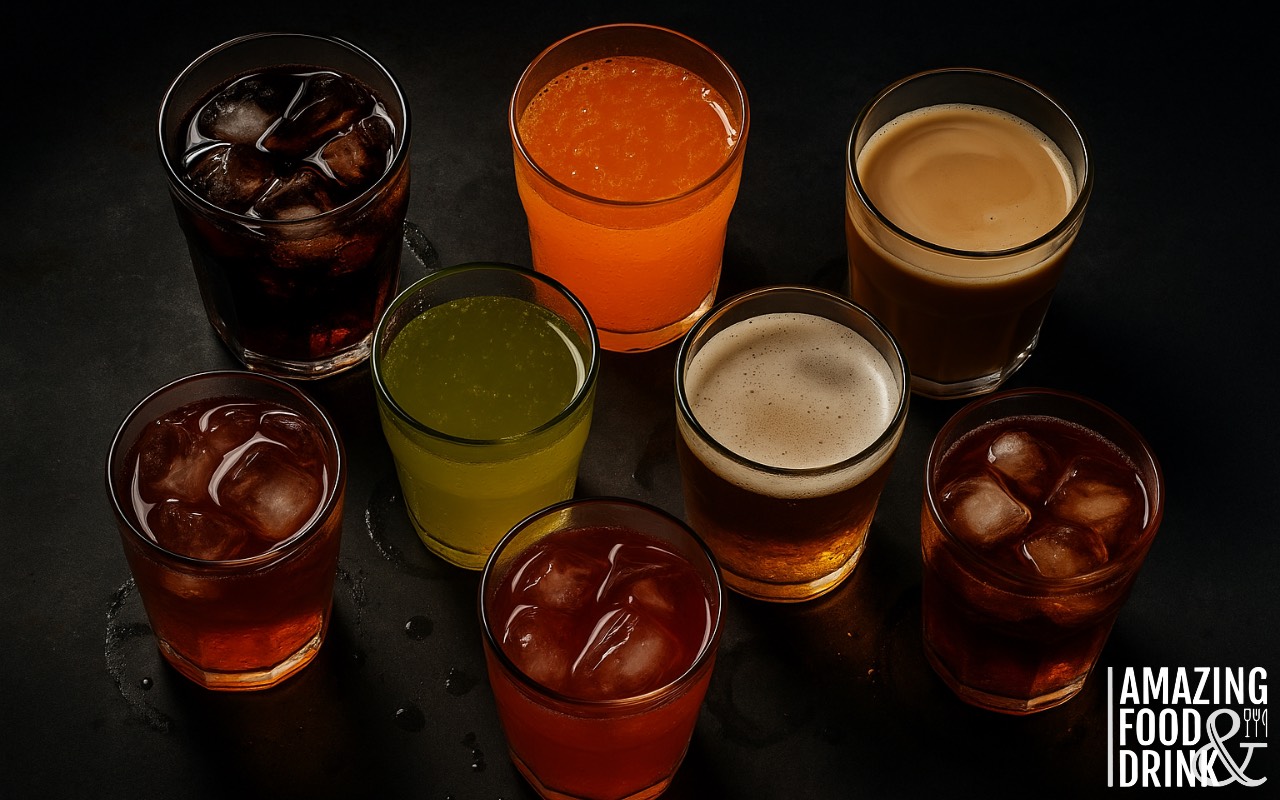
Are you drinking your way to poor health? Many popular beverages contain shocking amounts of sugar, chemicals and empty calories that sabotage your wellness goals. According to NHS guidelines, adults should consume no more than 30g of free sugars per day, yet a single can of fizzy drink can contain up to 35g of sugar—exceeding your daily limit in one beverage.
This comprehensive guide reveals the drinks you should avoid and explains why these unhealthy drinks pose serious health risks. We’ll explore the hidden dangers lurking in your favourite beverages and provide healthier alternatives to keep you hydrated without compromising your wellbeing.
Table of Contents
Why Should You Avoid Sugary Drinks?
Healthy drinks provide essential fluids and minerals without adding unnecessary calories to your body. Proper fluid intake helps you feel fit, efficiently quenches thirst and maintains your body’s water balance. However, many commercially available beverages contain hidden calories from large amounts of sugar, chemicals, artificial sweeteners, colours and additives like high-fructose corn syrup.
These sugary drinks don’t just add empty calories—they actively harm your health. Sugar-sweetened beverages are high in kilojoules, leading to obesity, which causes several diseases, including type 2 diabetes and cardiovascular disease. The sugar in these drinks produces acid when it combines with bacteria in your mouth, weakening tooth enamel and leading to tooth decay.
The 7 Drinks You Should Avoid
Let’s examine each of these unhealthy drinks in detail, understanding why they’re harmful and what you can choose instead.
1. Fizzy Drinks and Soft Drinks
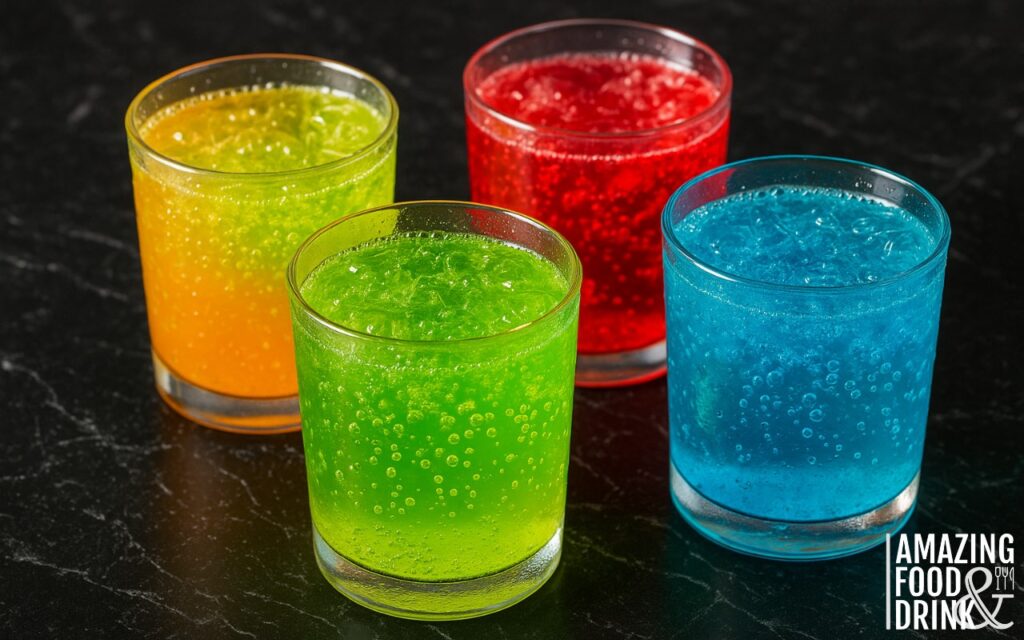
It comes as no surprise that fizzy drinks and soft drinks rank amongst the worst drinks you can consume. Regular fizzy drinks are loaded with calories, sugar and corn syrup, whilst diet versions contain fewer calories but are packed with chemicals like artificial sweeteners. Research has linked consumption of artificial sweeteners to health risks, including dementia and stroke.
Both regular and diet fizzy drinks are associated with increased risk of cardiovascular disease, diabetes, weak bones, obesity and other weight-related conditions. A 2014 study from the Johns Hopkins Center for a Livable Future discovered that 4-Methylimidazole (4-MEI)—a toxic chemical formed when making artificial caramel colouring—can be found in various levels in soft drink samples. Ingesting this chemical could increase your risk of developing cancer.
What Makes Fizzy Drinks So Harmful?
One 20-ounce serving of fizzy drink contains approximately 15 tablespoons of sugar. These drinks also accelerate muscle weakness as you age. Researchers found that high consumption of soft drinks speeds up the loss of strength and negatively impacts potassium levels in the body, leading to hypokalemia and reduced muscle functioning.
Regular intake of soft drinks may also age you faster, contributing to signs of ageing skin such as breakouts and wrinkles. The American Heart Association attributed almost 180,000 deaths yearly to fizzy drinks and highly sugary beverages.
Healthier Alternative
Try plain soda water, carbonated water or sparkling water instead of unhealthy fizzy drinks. These provide the fizzy sensation without the sugar and chemicals. Make an effort to cut back gradually and eventually eliminate soft drinks from your diet.
2. Coca-Cola and Cola Drinks
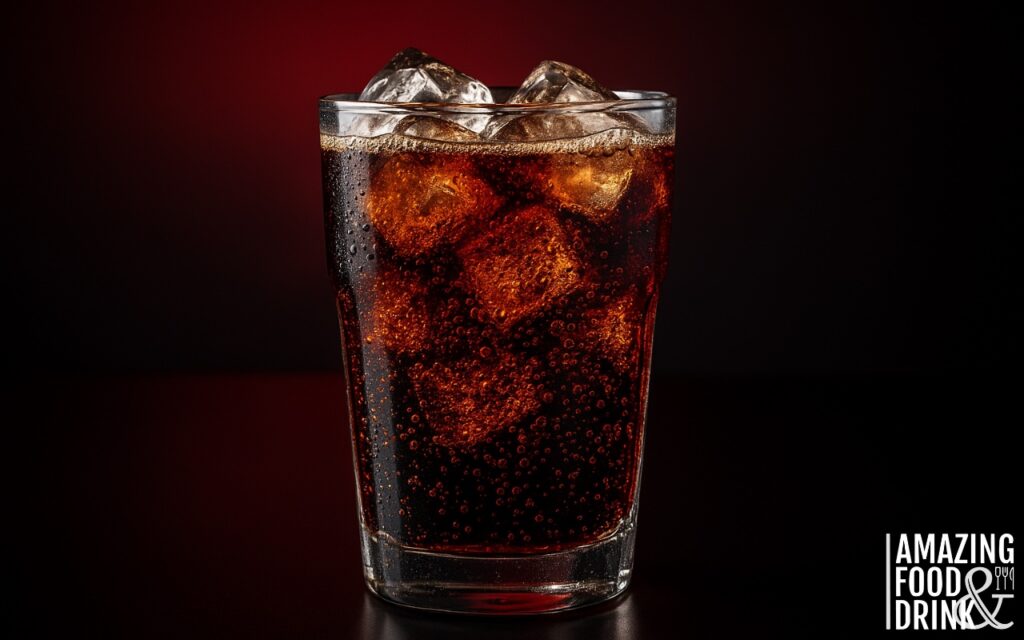
Coca-Cola is considered one of the most unhealthy drinks among all soft drinks. This beverage not only contributes to weight gain and obesity-related diseases like diabetes, but its acidity severely damages your digestive system and tooth enamel.
Cola drinks contain caramel colour, which includes man-made phosphorus that may have negative long-term effects on bone health. This caramel colouring also contains carcinogenic substances—animal carcinogens present at levels high enough to potentially cause cancer.
The Toxic Cocktail In Cola
Cola contains high amounts of carbonated water, sucrose or high-fructose corn syrup and caffeine. High levels of sugar in cola bump up insulin and encourage cancer cell growth. If your family has a history of dementia, you should immediately eliminate cola from your diet, as these drinks can cause mental decline and put you at risk for Alzheimer’s disease by worsening memory and lowering brain volume.
Cola consumption also increases your risk of stroke and creates visceral fat—fat surrounding your organs, particularly around your waist. This type of fat increases the risk of diabetes and heart disease significantly more than subcutaneous fat.
Healthier Alternative
Swap your cola for seltzer or sparkling water with a splash of fresh fruit juice. If you want caffeine, try coffee or green tea instead. Decrease the number of cola drinks you consume each day as you work towards kicking the habit forever.
3. Energy Drinks: Hidden Health Risks
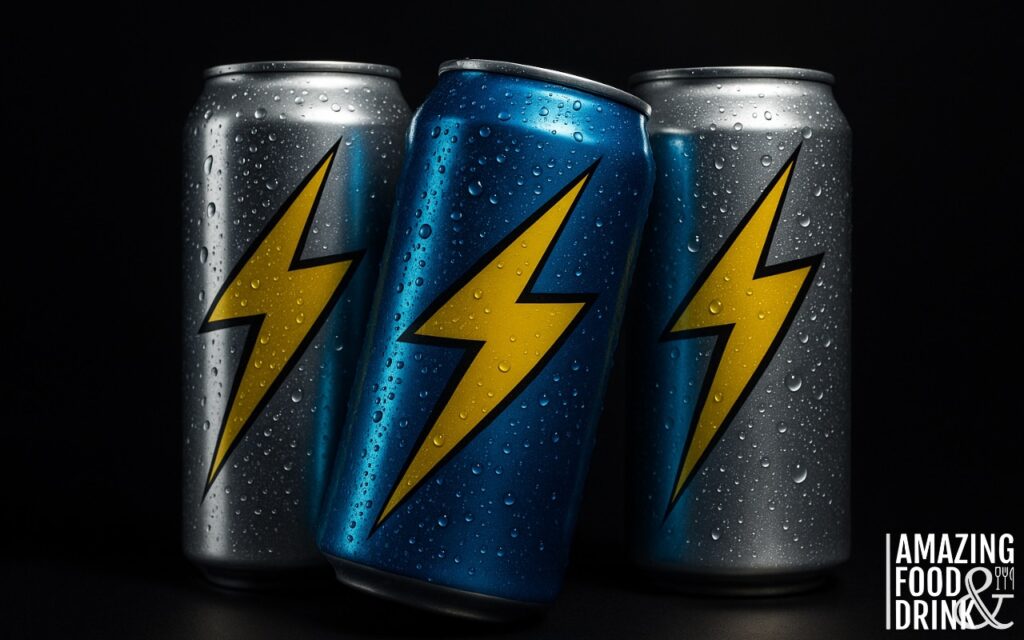
Energy drinks are notorious for containing artificial colours, flavours and sweeteners. Whilst they may deliver a few extra vitamins, they’re loaded with chemicals that provide no health benefits whatsoever. These drinks are no healthier than fizzy drinks—in fact, they may be worse due to their extremely high caffeine content.
What’s Really In Energy Drinks?
One of the main ingredients is glucose or high-fructose corn syrup, which increases the risk of obesity and type 2 diabetes. Energy drinks also contain citric acid, which damages tooth enamel over time. Most contain an unhealthy amount of caffeine that gives a short-term burst of energy but can have long-term negative effects on the body.
They indeed give you a temporary high when fatigue or sleep overwhelms you—an effect achieved through stimulating ingredients and high doses of sugar. However, the crash that follows leaves you feeling worse than before, creating a cycle of dependency.
Researchers from the University of Adelaide in Australia reported that consuming fizzy and energy drinks leads to chronic obstructive pulmonary disease and asthma. People who drink at least half a litre of soft drinks per day had almost twice the odds of developing lung conditions.
What About Sports Drinks?
Sports and electrolyte drinks contain harmful artificial ingredients and sweeteners that cannot be considered healthy food. After a sweaty fitness class, non-exercisers should rehydrate by drinking water or unflavoured coconut water instead—a natural source of electrolytes that typically contains fewer additives.
Healthier Alternative
Try green tea or black tea as an alternative for a natural energy boost without compromising your diet. For post-workout hydration, choose coconut water or simply water with a pinch of sea salt.
4. Liquid Coffee Creamer and Artificial Additives
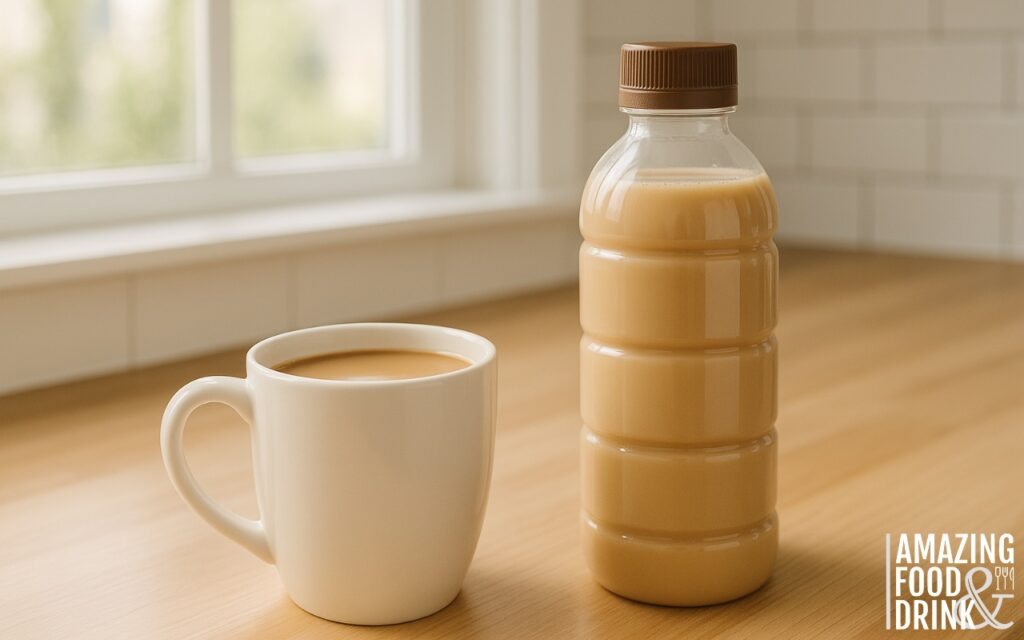
Liquid coffee creamer ranks amongst the drinks you should avoid due to its chemical composition. Made from a combination of vegetable oil, water and sugar, these creamers may taste delicious but contain no healthy substances.
The Hidden Dangers In Coffee Creamer
These products contain chemicals like artificial flavours and sweeteners, preservatives and thickeners that cause inflammation and digestive problems. They often contain trans fats or partially hydrogenated oils that boost the risk of heart disease and impair memory and concentration.
Liquid coffee creamer is loaded with added sugar—some popular types contain up to 5 grams of added sugar in a single serving. The ingredients vary by brand, but most commercial creamers are essentially flavoured oils with no nutritional value.
Healthier Alternative
Flavour your coffee with more natural options by choosing creamers made with coconut or almond milk instead of oils and artificial ingredients. Try unsweetened coconut milk with a few drops of flavoured stevia, or simply use regular full-fat milk for a creamy texture with natural ingredients.
5. Alcoholic Beverages

We can easily fall into the temptation of skipping our healthy diet and overindulging in alcohol. Alcohol is a chemical substance found in drinks such as spirits, beer and wine, produced through a fermentation process using sugars and yeast. It contains many empty calories and is often mixed with fizzy drinks, making digestion difficult. Understanding the serious health risks associated with alcohol consumption is essential for making informed choices about your wellbeing.
The Dangerous Effects Of Alcohol
Alcohol consumption causes numerous serious health problems. High doses of alcohol lead to heart disease, stroke, liver disease, weakening of the immune system and high blood pressure. Alcohol consumption may also cause breast, mouth, throat, rectum, liver, colon and oesophagus cancer.
The Impact On Fertility And Hormones
Sugar-sweetened alcoholic beverages can significantly lower fertility, so if you’re planning on having children, it’s better to eliminate alcohol consumption entirely. A 2018 study found that drinking one or more sugar-sweetened drinks every day led to a lower chance of conceiving, whether consumed by the man or woman.
Whilst sugary alcoholic beverages can temporarily mask stress by blunting cortisol—the stress hormone—these drinks create dependency and lead you to consume even more due to the false emotional response sugar and alcohol provide together. This creates a harmful cycle that’s difficult to break.
The Hidden Calories In Alcoholic Drinks
Beyond the direct health risks, alcoholic beverages are often loaded with hidden calories. A pint of lager contains approximately 180 calories, whilst cocktails can contain 300-500 calories or more due to sugary mixers and syrups. These empty calories contribute to weight gain without providing any nutritional value.
Alcohol also impairs your judgement around food choices, often leading to overeating and poor dietary decisions. The dehydrating effects of alcohol can be mistaken for hunger, causing additional calorie consumption.
Healthier Alternative
The best alternative to alcohol is complete avoidance. Choose sparkling water with fresh fruit, herbal teas, or alcohol-free alternatives that are now widely available in supermarkets and restaurants. If you’re drinking alcohol for social reasons, consider that many social situations can be equally enjoyable with non-alcoholic beverages, and you’ll feel significantly better the next day.
6. Fancy Coffee Shop Drinks

Fancy coffee drinks served at cafés and restaurants often contain up to 800 calories—approximately one-third of the maximum recommended daily intake. These beverages also pack alarming amounts of artery-clogging saturated fat.
The Sugar Shock In Your Coffee
Fancy coffee tastes sweet because it contains approximately 170 grams of sugar—that’s over five times your daily recommended sugar intake in a single drink. When topped with whipped cream, chocolate drizzle and flavoured syrups, these drinks deliver more of a sugar shock than a caffeine buzz.
Too much coffee containing sugar leads to serious health problems. Whilst moderate coffee consumption may help protect brain cells and reduce the risk of neurological conditions such as dementia and stroke, the benefits are completely negated when coffee is loaded with sugar and fat.
Side Effects Of Excessive Sweetened Coffee
High consumption of sugary coffee leads to increased heart rate, nervousness, anxiety, gastrointestinal upset, muscle twitching, headaches, heartburn and dehydration. These drinks create belly fat and contribute to the dangerous visceral fat that surrounds your organs.
Healthier Alternative
Order an Americano, black coffee, or coffee with a splash of milk. If you need sweetness, add one teaspoon of honey or use stevia. Avoid syrups, whipped cream and chocolate toppings entirely.
7. Sweetened Iced Tea

Whilst moderate consumption of hot tea offers high benefits for health—such as boosting your immune system and fighting inflammation—sweetened iced tea tells a different story entirely. Tea may help fight cancer and heart disease, but these benefits disappear when excessive sugar is added.
Why Iced Tea Becomes Unhealthy
The sugar in iced tea makes it one of the unhealthy drinks you should limit or avoid. Commercial iced tea beverages can contain 30-40 grams of sugar per bottle, equal to or exceeding the sugar in fizzy drinks. This transforms a potentially healthy beverage into a sugar-laden drink that contributes to obesity and diabetes.
High amounts of sweet tea could lead to negative side effects, including headaches, digestive issues and anxiety. Drinking excessive sweetened beverages with artificial sweeteners can increase your appetite and lead to weight gain.
The Temperature Factor
Studies have shown that our bodies process warm and hot beverages much better than cold ones. Cold drinks are associated with contraction, shrinking and hardening, whilst we want our bodies to remain flexible and fluid. This doesn’t mean you should never drink cold beverages, but warm drinks may offer superior health benefits.
Healthier Alternative
Choose unsweetened tea, whether hot or iced. If you must add sweetness, limit yourself to one teaspoon of honey or sugar. Brew your own iced tea at home, where you control the sugar content, or choose herbal teas with naturally sweet flavours like rooibos or fruit teas.
Understanding the Health Risks of Unhealthy Drinks
The drinks you should avoid share common characteristics that make them dangerous to your health. Understanding these risks helps you make informed choices about what you consume daily. Below, we’ll explore the specific health conditions and diseases linked to regular consumption of these unhealthy beverages.
Obesity and Weight Gain
Sugar-sweetened beverages are the leading contributor to obesity. These drinks provide massive amounts of kilojoules without making you feel full, leading to overconsumption of calories. Obesity causes several serious diseases, including type 2 diabetes, cardiovascular disease, and certain cancers such as oesophageal, renal, gallbladder, bowel and endometrial cancer.
Unhealthy drinks like fizzy drinks and fancy coffee create belly fat and visceral fat that surrounds your organs. The annual Endocrine Society meeting reported that ingesting sucralose, used in diet drinks, can activate genes for fat production, meaning even supposedly “diet” options contribute to weight gain.
Cardiovascular Disease
Regular and diet fizzy drinks increase heart disease risk significantly. A study from The American Journal of Clinical Nutrition showed that drinks containing low, medium and high amounts of high-fructose corn syrup developed risk factors for cardiovascular disease, increased levels of bad cholesterol, and elevated triglycerides circulating through the bloodstream.
Avoiding drinks with fructose corn syrup may prevent clogged blood vessels and reduce your risk of heart attacks and strokes. The acidity and sugar content in these beverages also contribute to high blood pressure and weakened blood vessels.
Diabetes and Insulin Resistance
High levels of sugar in soft drinks bump up insulin production and encourage the development of type 2 diabetes. Your body becomes resistant to insulin over time when constantly exposed to sugar spikes from sweetened beverages. This creates a vicious cycle where your pancreas must produce more insulin to manage blood sugar levels, eventually leading to diabetes.
Dental Health Deterioration
Sugar-sweetened drinks produce acid when sugar combines with bacteria in your mouth. This acid harms your teeth by weakening tooth enamel, leading to cavities and tooth decay. Energy drinks containing citric acid cause particularly severe enamel erosion.
Commercial fizzy drinks are so acidic that they can dissolve tooth enamel over time. Dental professionals report that frequent consumption of these unhealthy drinks is a primary cause of dental problems in both children and adults.
Kidney and Liver Damage
Drinking artificially sweetened drinks such as diet fizzy drinks can lead to reduced kidney functioning and harm these vital organs. Kidneys filter toxins that accumulate in your body daily, and excessive consumption of chemicals in diet drinks impairs this crucial function.
High alcohol consumption causes liver disease, whilst the high fructose content in sugary drinks contributes to non-alcoholic fatty liver disease—a growing health crisis in the UK.
Cancer Risk
Several studies have linked excessive consumption of sugary drinks to increased cancer risk. The caramel colouring in cola contains 4-MEI, a potentially carcinogenic substance. High sugar intake also creates an environment where cancer cells thrive, as they feed on glucose.
Alcohol consumption increases the risk of multiple cancers, including breast, mouth, throat, rectum, liver, colon and oesophagus cancer. The combination of alcohol with sugary mixers compounds these risks.
Mental Health and Cognitive Decline
If your family has a history of dementia, immediately eliminate sugary beverages and fizzy drinks from your diet. These drinks cause mental decline and put you at risk for Alzheimer’s disease by worsening memory and lowering brain volume.
The sugar crashes that follow consumption of energy drinks and sweetened coffee contribute to anxiety, depression and mood swings. Artificial sweeteners in diet drinks have been linked to increased risk of stroke and dementia.
Bone Health
Sugary beverages and fizzy drinks affect your bones negatively, weakening bone density over time. The phosphoric acid in cola interferes with calcium absorption, and high fizzy drink consumption among children and teenagers during crucial bone-building years leads to weaker bones in adulthood.
High consumption of soft drinks accelerates the loss of bone strength as you age, increasing the risk of osteoporosis and fractures.
Muscle Weakness
High consumption of fizzy drinks makes your muscles weaker. Researchers found that excessive soft drink intake accelerates the loss of strength and negatively impacts potassium levels in the body, leading to hypokalemia and reduced muscle functioning.
Impact on Fertility and Reproduction
Sugar-sweetened beverages can lower fertility. If you’re planning children, reduce consumption of sugary drinks significantly. Research shows that drinking one or more sugar-sweetened drinks daily—by either partner—reduces the chances of conception.
These beverages can also spur the earlier onset of menstruation in young girls, potentially affecting long-term reproductive health.
Healthy Drink Alternatives

Now that you know which drinks you should avoid, let’s explore healthier alternatives that keep you hydrated without compromising your health. Making simple swaps can dramatically improve your overall wellbeing whilst still satisfying your thirst and taste preferences.
Water: The Ultimate Healthy Drink
Plain water remains the healthiest beverage choice. It contains zero calories, no sugar and no chemicals. If plain water seems boring, try:
- Adding fresh lemon, lime or cucumber slices
- Infusing with mint leaves and berries
- Using a splash of fresh fruit juice for flavour
- Drinking sparkling water for fizz without the sugar
Herbal and Green Teas
Unsweetened herbal teas provide flavour and health benefits without calories. Green tea offers antioxidants and a gentle caffeine boost. Popular options include:
- Peppermint tea for digestion
- Chamomile for relaxation
- Rooibos for naturally sweet flavour
- White tea for a delicate taste
Coconut Water
Natural coconut water provides electrolytes without artificial additives. It works brilliantly as a post-workout drink and contains natural sugars in much lower amounts than sports drinks.
Fresh Vegetable Juices
Freshly pressed vegetable juices deliver nutrients without excessive sugar. Focus on vegetables rather than fruits to keep sugar content low. Try combinations like:
- Carrot, ginger and apple
- Cucumber, celery and lemon
- Beetroot, carrot and orange
Black Coffee
Plain black coffee or coffee with a splash of milk provides caffeine benefits without the sugar bomb of fancy coffee drinks. Coffee offers antioxidants and may protect against certain diseases when consumed in moderation.
Key Takeaways: Breaking Free from Unhealthy Drinks
Be aware of your daily intake of caffeine and sugar. If you drink coffee in the morning, an energy drink at noon and a fizzy drink in the afternoon, you’re exposing yourself to serious health problems.
Making the switch from unhealthy drinks to healthier alternatives doesn’t happen overnight. Start by:
- Identifying your trigger drinks – Which unhealthy beverages do you consume most?
- Gradually reducing consumption – Cut back by one drink per day
- Finding satisfying replacements – Experiment with healthy alternatives
- Reading labels carefully – Check sugar content before purchasing
- Staying hydrated with water – Aim for 6-8 glasses daily
- Avoiding temptation – Don’t keep unhealthy drinks at home
Remember, the drinks you should avoid—fizzy drinks, cola, energy drinks, liquid coffee creamer, alcohol, fancy coffee and sweetened iced tea—all share common traits: excessive sugar, artificial chemicals and zero nutritional value. By eliminating these unhealthy drinks from your diet, you’ll reduce your risk of obesity, diabetes, heart disease, cancer and numerous other health conditions.
Your body deserves better than sugar-laden, chemical-filled beverages. Make the switch to healthier alternatives today and experience improved energy, better health and enhanced wellbeing. Small changes in your drink choices create significant improvements in your overall health over time.