How Much Water Should You Drink a Day?

Quick Answer: The amount of water you should drink a day depends on your gender, activity level, and climate. Women should aim for 2.2 litres (9 cups) daily, whilst men need 3 litres (13 cups). This recommended water intake increases during exercise, in hot weather, or when you’re ill. Check your urine—pale yellow indicates you’re drinking enough water.
Understanding how much water you should drink a day is crucial for maintaining optimal health. Your body is approximately 60% water by weight. Your muscles contain 75% water, bones are 25% water, and blood is 82% water. This makes your daily water consumption essential for every bodily function, from regulating temperature to transporting nutrients.
The question of how much water per day you need isn’t one-size-fits-all. Your individual water requirements vary based on several factors, including body size, physical activity, climate, and overall health status.
Table of Contents
Recommended Daily Water Intake
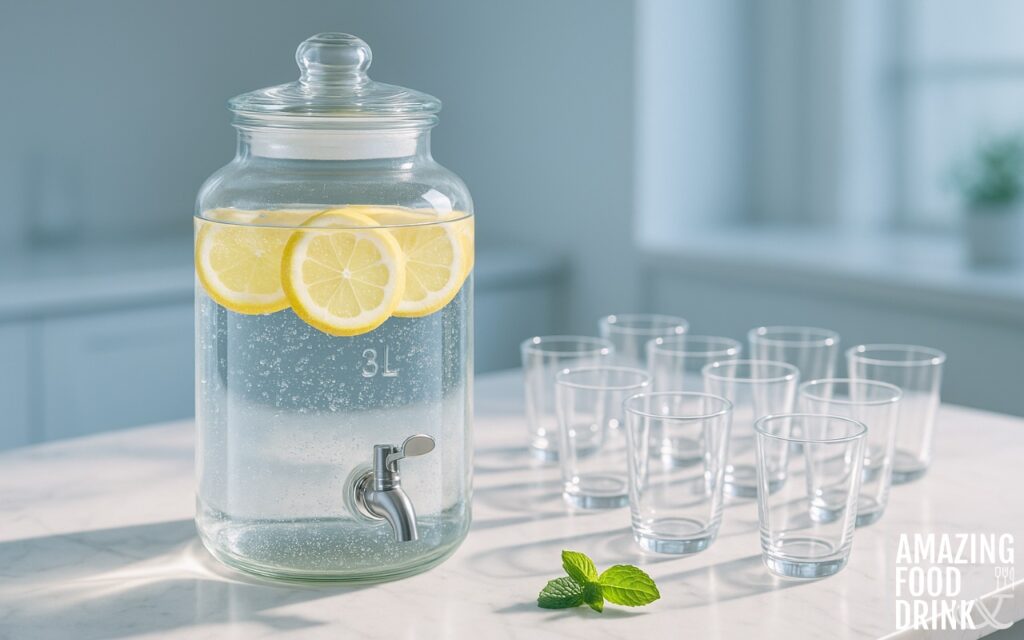
When asking “how much water should you drink a day?”, health organisations provide clear baseline recommendations that serve as excellent starting points for most adults.
How Much Water Should You Drink a Day: Men
Men should aim for approximately 3 litres of water per day, which equals roughly 13 cups. This recommended water intake accounts for the average male’s body size and metabolic requirements. Around 80% of your daily water consumption should come from beverages (primarily water), whilst 20% can come from water-rich foods.
How Much Water Should You Drink a Day: Women
Women require approximately 2.2 litres of water a day, equivalent to about 9 cups. Women typically need less water than men due to differences in body composition and size. However, the amount of water you should drink a day increases significantly during pregnancy (add 300ml) and breastfeeding (add 700ml).
How Many Litres of Water a Day Based on Body Weight
For a more personalised answer to “how much water should you drink a day?”, calculate your water intake per day based on body weight. The general guideline is 30-35 mL of water per kilogram of body weight.
Daily water intake by weight:
- 60kg person: 1.8-2.1 litres per day
- 70kg person: 2.1-2.45 litres per day
- 80kg person: 2.4-2.8 litres per day
- 90kg person: 2.7-3.15 litres per day
This method helps you determine precisely how much water you should drink a day based on your individual size rather than relying solely on general recommendations.
Why Is Drinking Enough Water a Day Important?
Before diving deeper into how much water you should drink a day, it’s essential to understand why your body needs this amount of daily water intake.
Water’s Essential Roles in Your Body
Your body uses water for critical processes every moment. Water transports nutrients to cells, removes waste products like lactic acid from exercise, and maintains moisture in your nose, ears, throat, and lungs. Without adequate daily water consumption, these systems cannot function optimally.
Blood relies on water to flow properly and deliver oxygen throughout your body. The concentration of electrolytes—including potassium, calcium, magnesium, and sodium—must remain balanced in your body’s water. When this balance tips due to inadequate water intake per day, your physical performance and health suffer.
Hydration for Healthy Skin
Your skin, being your largest organ, depends heavily on proper hydration. When you don’t drink enough water a day, your skin becomes dry, loses elasticity, and develops a dull appearance. Meeting your recommended water intake helps maintain your skin’s moisture barrier, supports cell regeneration, and contributes to a more youthful appearance.
Many people invest in expensive skincare products whilst neglecting the most basic requirement: drinking the right amount of water a day. Proper hydration from within creates a foundation that external products can then enhance.
How Much Water Should You Drink a Day During Exercise?
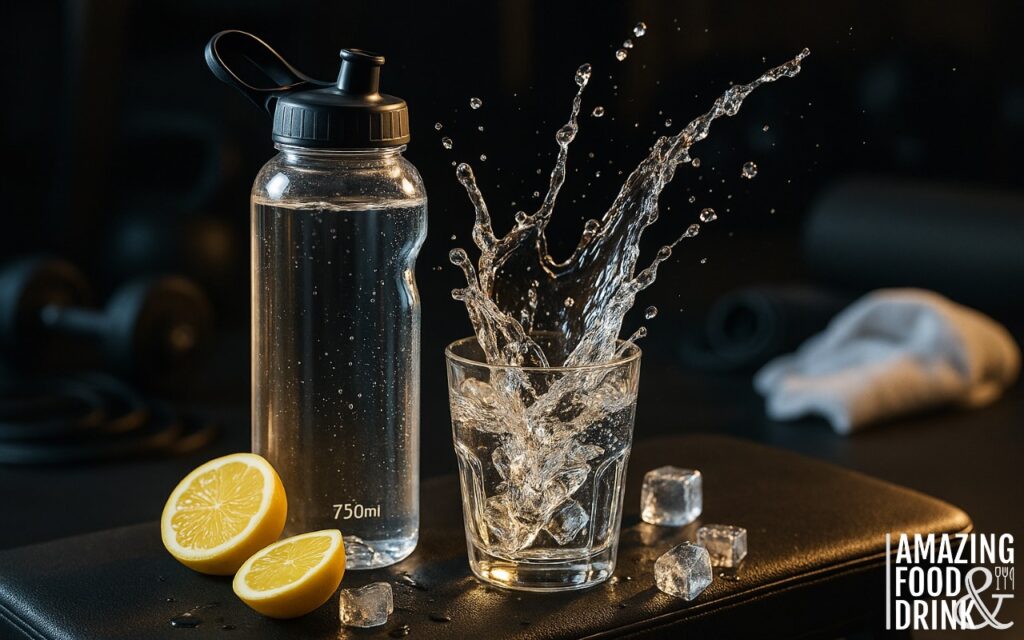
Physical activity significantly increases how much water you should drink a day. Your body loses water through sweat to regulate temperature, and this fluid must be replaced to maintain performance and prevent dehydration.
Pre-Workout Hydration
Drink 250-300 ml of water 20-30 minutes before exercising. This ensures your body starts the activity with adequate fluid levels. Don’t drink excessive amounts immediately before exercise, as this can cause discomfort during your workout.
Water Intake During Exercise
Whilst exercising, aim to drink 200-250 ml every 20 minutes. This steady intake helps replace fluids lost through sweat. For sessions lasting longer than an hour, or intense activities in hot conditions, consider adding electrolytes through a sports drink.
The amount of water you should drink a day increases based on:
- Exercise intensity and duration
- Temperature and humidity levels
- Your personal sweat rate
- Type of clothing worn
- Overall fitness level
Post-Workout Rehydration
After exercising, replace all the fluid you’ve lost. Weigh yourself before and after exercise—for every pound (0.45kg) lost, drink 450-700 ml of water. This accounts for the fluid you’ve lost through sweat and helps your body recover properly.
Continue drinking water steadily in the hours following your workout rather than consuming large amounts immediately. This allows your body to absorb the water more effectively and helps you meet your total daily water intake requirements.
Signs You’re Not Drinking Enough Water a Day

Recognising dehydration symptoms helps you adjust how much water you should drink a day before serious problems develop.
Early Dehydration Warning Signs
When you’re not meeting your recommended water intake, your body shows early warning signs:
- Thirst or dry mouth
- Headache or dizziness
- Fatigue and decreased energy
- Difficulty concentrating (brain fog)
- Darker urine colour
- Decreased urination frequency
More serious symptoms of inadequate daily water consumption include:
- Muscle cramps and weakness
- Rapid heartbeat
- Confusion or irritability
- Extreme fatigue
- Very dark urine or inability to urinate
- Dry, inelastic skin
Don’t wait until you feel thirsty to drink water. Thirst indicates you’re already becoming dehydrated. Make drinking your recommended water intake a regular habit throughout the day.
The Urine Colour Test: Are You Drinking Enough Water?
Your urine colour provides an excellent indicator of whether you’re drinking enough water a day. Pale yellow or straw-coloured urine suggests you’re meeting your daily water intake requirements. Dark yellow, amber, or brown urine signals you need to increase how much water you drink a day immediately.
Clear, completely colourless urine might indicate you’re exceeding your water requirements, though occasional clear urine isn’t concerning. The goal is consistently pale yellow urine throughout the day.
Can You Drink Too Much Water a Day?
Whilst rare, drinking excessive water can lead to hyponatraemia—a dangerous condition where sodium levels in your blood become too diluted. This typically occurs when people drink several litres in a very short period, particularly during endurance events.
Symptoms of over-hydration include:
- Nausea and vomiting
- Headache and confusion
- Muscle weakness or cramps
- Seizures (in severe cases)
Most people don’t need to worry about drinking too much water a day if they’re spreading their intake throughout the day and drinking in response to thirst and activity levels.
Best Sources for Your Daily Water Intake

Not all your water consumption needs to come from plain water, though water should form the majority of how much water you should drink a day.
Water-Rich Foods That Count Towards Daily Intake
Approximately 20% of your recommended water intake can come from foods, particularly fruits and vegetables with high water content.
Fruits with the highest water content:
- Watermelon (92% water)
- Strawberries (91% water)
- Cantaloupe (90% water)
- Peaches (89% water)
- Oranges (88% water)
- Grapefruits (88% water)
Vegetables for hydration:
- Cucumbers (96% water)
- Lettuce (96% water)
- Celery (95% water)
- Courgettes (94% water)
- Tomatoes (94% water)
- Spinach (93% water)
These foods not only contribute to your daily water consumption but also provide essential vitamins, minerals, and fibre. They make excellent snacks for boosting both nutrition and helping you reach your water intake goals.
Do Other Beverages Count Towards Water Intake?
When calculating how much water you should drink a day, other beverages do contribute to your total daily water intake, though water remains the optimal choice.
Beverages that count towards daily intake:
- Herbal teas (caffeine-free)
- Milk (also provides calcium and protein)
- Diluted fruit juices
- Sparkling water
Beverages to limit:
- Coffee and caffeinated tea (count but have a mild diuretic effect)
- Sugary soft drinks (add unnecessary calories)
- Alcohol (actually promotes dehydration)
Coffee and tea do contribute to how much water you drink a day, despite containing caffeine. The diuretic effect is mild and doesn’t negate the fluid content. However, plain water remains your best option for meeting your daily water requirements without adding calories, sugar, or caffeine.
When Should You Drink More Water a Day?

Certain situations require you to increase how much water you should drink a day beyond standard recommendations.
Hot Weather and High Altitude Water Needs
Climate significantly affects your daily water intake requirements. In hot weather, your body produces more sweat to cool down, increasing fluid loss. Increase how much water you drink a day by 20-30% during summer months or when visiting warm climates.
High altitude also increases water requirements. The air is drier at elevation, leading to increased fluid loss through breathing. If you live or travel above 2,500 metres, add an additional 400-500 ml to your daily water consumption.
Illness Increases Water Requirements
When you’re ill, particularly with fever, vomiting, or diarrhoea, how much water you should drink a day increases substantially. These conditions cause significant fluid loss that must be replaced.
Certain medical conditions affect daily water intake:
- Diabetes: May require more water due to increased urination
- Kidney stones: Need increased fluid intake for prevention
- Urinary tract infections: Benefit from increased water to flush bacteria
- Heart or kidney disease: May require restricted fluid intake (consult your GP)
Always discuss how much water you should drink a day with your GP if you have chronic health conditions or take medications affecting fluid balance.
Age-Related Hydration Needs
Elderly individuals often have a diminished sense of thirst and may not drink enough water a day. They also have a lower water reserve, making dehydration more dangerous. Older adults should pay extra attention to maintaining their recommended water intake throughout the day.
Children’s water requirements vary by age and size. Encourage children to drink water regularly, especially during play and warm weather. Their smaller bodies dehydrate more quickly than adults’.
Practical Tips: How to Drink Enough Water a Day

Knowing how much water you should drink a day is one thing—actually consuming that amount consistently is another. These strategies help make adequate daily water intake a sustainable habit.
Strategies to Remember Your Water Intake
- Keep a reusable water bottle with you constantly
- Set hourly reminders on your phone
- Drink a full glass of water when you wake up
- Have a glass of water before each meal
- Keep a water jug on your desk
- Use a water-tracking app
- Create a visual checklist for daily cups consumed
- Link drinking water to existing habits
Optimal Times for Water Consumption
Whilst you should drink water throughout the day to meet your daily water intake goals, certain times are particularly beneficial:
- Upon waking (rehydrates after sleep)
- Before meals (aids digestion, may help with portion control)
- Before, during, and after exercise
- When you feel hungry between meals (thirst can masquerade as hunger)
- Before bed (but not so much it disrupts sleep)
Spread how much water you drink a day evenly across waking hours rather than consuming large amounts at once. Your body can only absorb a certain amount of water at a time.
Common Myths About How Much Water You Should Drink a Day
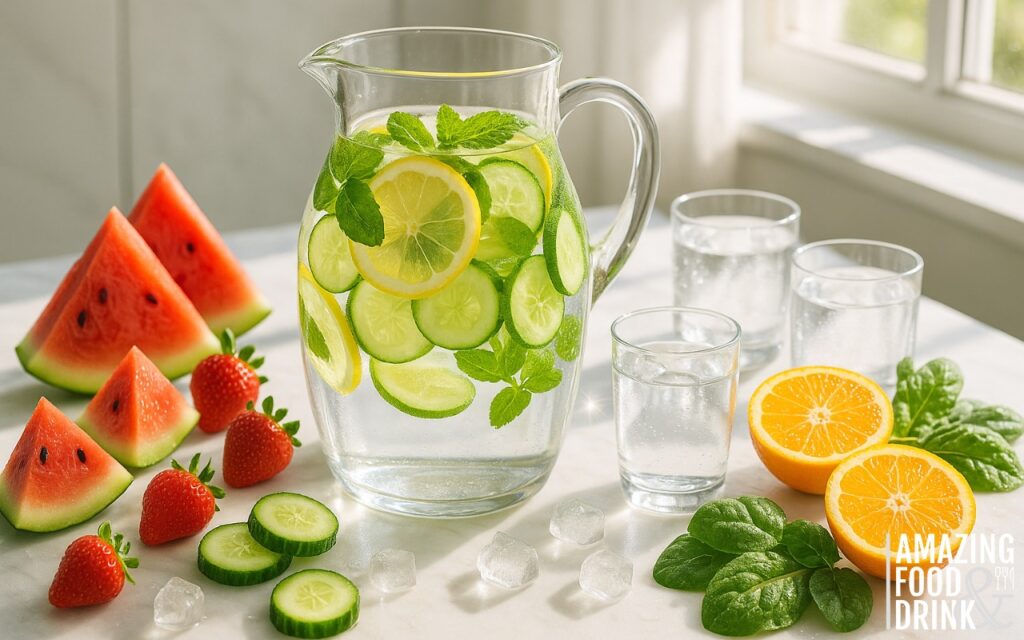
Several misconceptions persist about daily water intake despite scientific evidence. Let’s address the most common myths.
The “8 Glasses a Day” Rule
You’ve probably heard you must drink exactly eight 8-ounce glasses (about 2 litres) of water daily. Whilst this guideline is easy to remember, it oversimplifies water requirements. How much water you should drink a day varies based on size, activity level, climate, and health status.
The 8-glasses rule serves as a reasonable minimum for many people, but it’s not a rigid requirement for everyone. Some individuals need more litres of water a day, others may need slightly less. Use it as a starting point, then adjust based on your circumstances and the urine colour indicator.
Does Coffee Dehydrate You?
Coffee does have a mild diuretic effect, meaning it increases urination. However, the fluid in coffee still counts towards how much water you drink a day. Your body adapts to regular caffeine consumption, reducing its diuretic effect over time.
You don’t need to drink extra water to “compensate” for coffee, but coffee shouldn’t replace water as your primary source for meeting your daily water intake requirements.
Water Intake and Weight Loss
Water itself doesn’t burn calories or fat, but proper daily water consumption supports weight loss efforts in several ways:
- Drinking water before meals may reduce appetite and calorie intake
- Water has zero calories, unlike sugary beverages
- Staying hydrated supports exercise performance
- Thirst is sometimes mistaken for hunger
Replace high-calorie beverages with water to reduce daily calorie intake significantly. This simple change helps you reach both your weight loss and hydration goals.
Conclusion: Meeting Your Daily Water Intake Goals
Understanding how much water you should drink a day is fundamental to your health and well-being. The baseline recommendations of 2.2 litres for women and 3 litres for men provide an excellent starting point, but listen to your body and adjust your daily water consumption based on activity level, climate, and individual needs.
Your body cannot function optimally without adequate water intake per day. From supporting every cellular process to maintaining healthy skin, proper hydration affects virtually every aspect of your health. Don’t wait until you feel thirsty—make drinking your recommended water intake a consistent habit throughout your day.
Start by keeping water accessible, setting regular reminders, and monitoring your urine colour. These simple strategies can transform your hydration habits and help you consistently meet your daily water requirements. Remember, your body is approximately 60% water—keeping that balance optimal is one of the simplest yet most powerful things you can do for your well-being.
The answer to “how much water should you drink a day?” is now clear: aim for 2.2-3 litres daily, adjust based on your circumstances, and make water your beverage of choice throughout the day.