How to Cook Eggplant the Egyptian Way: Mesa’aa & Traditional Aubergine Recipes
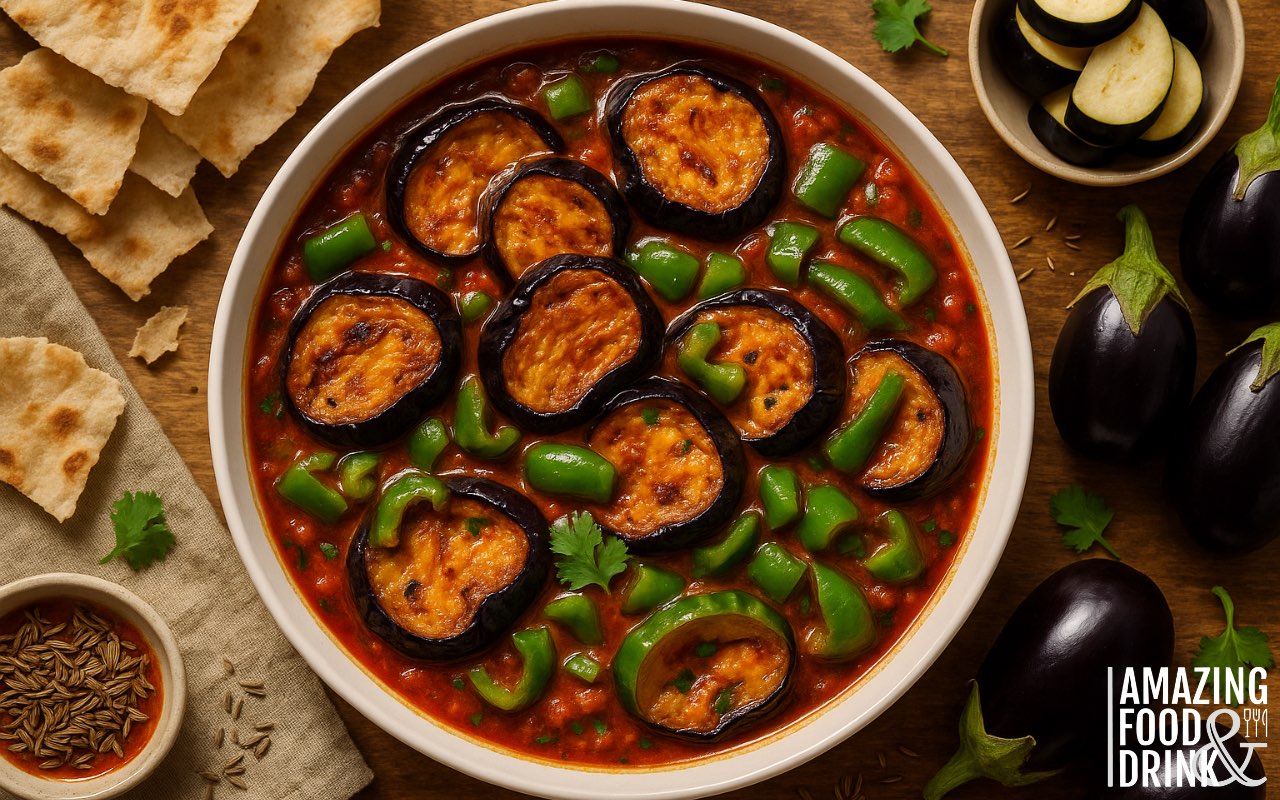
Aubergine (eggplant) is essential in Egyptian cuisine, featuring prominently in beloved traditional dishes that have nourished families for generations. Whether you’re exploring authentic Egyptian eggplant recipes or searching for Middle Eastern vegetarian dishes, learning to cook eggplant the Egyptian way opens up a world of incredible flavours and textures. From the comforting Mesa’aa served at family tables to the elegant Bechamel version gracing Ramadan feasts, these aubergine dishes represent the heart of Egyptian home cooking.
Egyptian eggplant recipes showcase the versatility of this humble vegetable through three distinct preparations: the quick and budget-friendly Mesa’aa with its rich tomato sauce, the luxurious Bechamel Mesa’aa layered with minced beef and creamy bechamel, and the tangy pickled aubergine that serves as the perfect accompaniment to any meal. Each recipe demonstrates a different aspect of Egyptian culinary tradition, yet all share the common thread of transforming simple aubergine slices into extraordinary dishes.
Thanks to its nutrient content and unique taste, Egyptian eggplant is used to make multiple savoury dishes. Some are main courses, whilst others are side dishes. Some are family-dinner types, and others are perfect for on-the-go meals. Today, we’re demonstrating how to cook eggplant the Egyptian way with three authentic recipes that bring Cairo’s vibrant food scene directly to your kitchen.
Table of Contents
Understanding Egyptian Eggplant Varieties
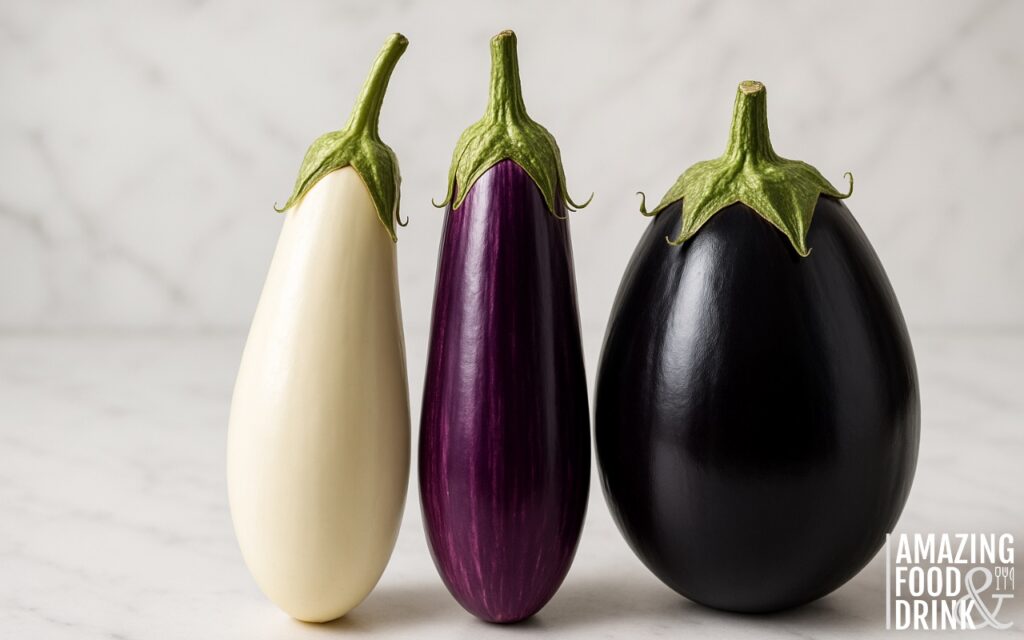
There are three types of aubergine that grow in Egypt: white eggplant, purple eggplant, and black eggplant. Each variety serves a specific purpose in Egyptian cuisine. White and purple aubergine, being elongated in shape, are traditionally used to make mahshi—Egypt’s famous stuffed vegetables. These two varieties can also be pickled and enjoyed as a tangy side dish alongside main courses.
Black eggplant is larger and rounder, making it the ideal choice for Mesa’aa, the signature Egyptian eggplant dish we’re demonstrating today. This variety’s substantial flesh holds up beautifully when fried, maintaining its structure whilst absorbing the flavours of tomato sauce or bechamel. Raw black aubergine can even be eaten with cheese and bread for breakfast, dinner, or as a snack between meals—a testament to its versatility in Egyptian food culture.
For those shopping in UK supermarkets, the standard aubergine you’ll find closely resembles the Egyptian black eggplant and works perfectly for these recipes. British-grown aubergines are at their peak from July to October, though imported varieties are available year-round.
The Cultural Significance of Egyptian Eggplant
Cooking eggplant the Egyptian way represents more than just preparing food—it’s about connecting with centuries of culinary tradition. These recipes have been passed down through generations of Egyptian families, with each household adding its own subtle variations. Mesa’aa, in particular, embodies the resourcefulness and warmth of Egyptian home cooking, transforming simple, affordable ingredients into dishes that bring families together around the table.
During Ramadan, the Egyptian eggplant takes centre stage on iftar tables across Egypt, with Bechamel Mesa’aa representing a special treat that families look forward to after a day of fasting. The communal preparation of these dishes, with multiple generations working together in the kitchen, strengthens family bonds and ensures these traditional recipes continue to thrive.
Traditional Egyptian Mesa’aa Recipe (Fried Aubergine with Tomato Sauce)
Difficulty: Easy | Prep Time: 20 minutes | Cook Time: 35 minutes | Serves: 4-6 people | Calories: Approximately 280 per serving
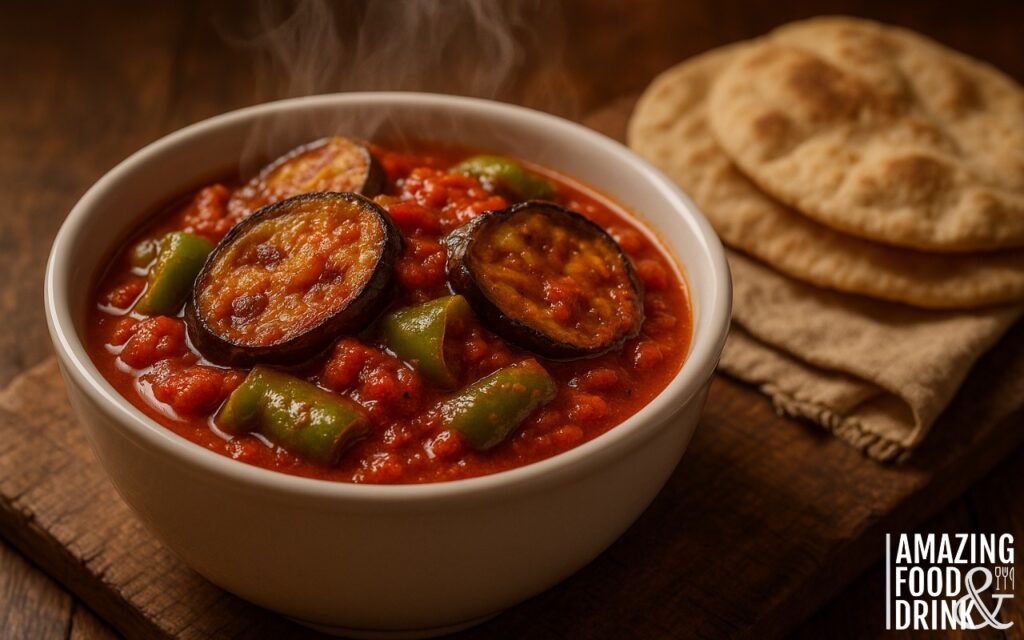
Mesa’aa is a traditional Egyptian eggplant dish that represents the essence of Egyptian comfort food. Despite its name literally meaning “cold” in Arabic, this aubergine dish is typically served warm or hot—one of Egyptian cuisine’s delightful contradictions. This budget-friendly vegetarian recipe combines fried aubergine with bell peppers in a spiced tomato sauce, creating layers of flavour that make it a staple in Egyptian households.
Mesa’aa is usually consumed with Egyptian baladi bread or pita bread, perfect for scooping up the tender aubergine slices and soaking up the flavourful sauce. It’s enjoyed for breakfast alongside foul (fava beans) and ta’meya (Egyptian falafel), as a quick lunch, or as part of a mezze spread. During Ramadan, many Egyptian families serve Mesa’aa as part of their iftar meal to break the fast.
Ingredients
- 500g black aubergine (eggplant)
- 3 green bell peppers
- 3 coloured bell peppers (red, yellow, or orange)
- 1 green hot chilli
- 3 large-sized tomatoes
- 2 tablespoons tomato paste
- 3 cups vegetable oil (for frying)
- 4 minced cloves of garlic
- 1 small-sized minced onion
- 1 small-sized lemon
- 1 teaspoon salt (or to taste)
- 1 teaspoon sugar
- 1 teaspoon cumin
- 1 teaspoon ground black pepper
Instructions
- Decide whether to peel the aubergines or leave the skin on for added nutrients.
- Slice the aubergine into rounds approximately 1.5cm thick (avoid thin slices). Cut into smaller triangles if preferred for bite-sized pieces.
- Cut each bell pepper into four thick slices.
- Add three cups of vegetable oil to a large frying pan over medium-high heat.
- Test oil temperature by dropping a small piece of aubergine—it should sizzle immediately.
- Carefully place sliced aubergine into hot oil and deep fry, stirring occasionally.
- Cook until the fried aubergine turns golden brown and tender (approximately 5-7 minutes).
- Remove aubergine slices with a slotted spoon and place on kitchen paper to drain.
- Repeat the frying process with pepper slices until softened. Set aside on kitchen paper.
- Cut tomatoes into smaller cubes and blend in a food processor without water to create thick tomato juice.
- In another frying pan, heat one tablespoon of vegetable oil over medium heat.
- Add minced onion and sauté until translucent (about 3-4 minutes).
- Add minced garlic and stir until golden brown and fragrant.
- Pour in blended tomato juice, tomato paste, and salt. Bring to a rolling boil.
- Reduce the heat to low and simmer the sauce for ten minutes.
- Add cumin and ground black pepper, stirring well to distribute spices.
- Gently fold in fried aubergine and pepper slices, coating with sauce.
- Simmer for 2-3 minutes to allow the aubergine to absorb flavours.
- Turn off the heat and rest for ten minutes before serving.
- Transfer to a serving platter and serve warm with fresh pita or Egyptian baladi bread.
Tips for Perfect Mesa’aa
Achieving restaurant-quality Mesa’aa at home requires attention to a few key details.
- To prevent your aubergine slices from absorbing excessive oil, ensure the oil is properly heated before frying—aubergine added to insufficiently hot oil acts like a sponge.
- Pat the aubergine dry before frying, and don’t overcrowd the pan, which lowers the oil temperature.
- For a healthier alternative, brush aubergine slices with olive oil and bake at 200°C (400°F) for 25-30 minutes, turning halfway through, until golden and tender.
Bechamel Mesa’aa Recipe (Egyptian Aubergine Bake with Mince)

Difficulty: Moderate | Prep Time: 30 minutes | Cook Time: 60 minutes | Serves: 6-8 people | Calories: Approximately 420 per serving
What we’ve just explained is the basic Mesa’aa recipe—easy, affordable, and quick to make. However, there’s also an upgraded version that transforms this humble Egyptian eggplant dish into something truly spectacular. This is the Mesa’aa typically served on iftar tables during Ramadan and at special family dinners.
One main difference between the two recipes is that Bechamel Mesa’aa doesn’t use tomato sauce. Instead, it comprises minced beef cooked with aromatic spices and vegetables, layered with fried aubergine and crowned with creamy bechamel sauce. The entire creation is then baked until golden and bubbling—creating an Egyptian comfort food masterpiece that’s definitely worth the extra effort.
Ingredients
For the Vegetables:
- 2kg black aubergine (eggplant), sliced into rounds
- 3 large green bell peppers
- 3 cups vegetable oil (for frying)
For the Minced Beef:
- 500g minced beef
- 1 medium-sized minced onion
- 1 large minced tomato
- 2 tablespoons vegetable oil
- 1 teaspoon salt
- 1 teaspoon ground black pepper
- 1 tablespoon cumin
For the Bechamel Sauce:
- 2 cups full-fat milk
- 5 tablespoons plain flour
- 2 tablespoons vegetable oil
- 1 tablespoon butter
- 1 teaspoon salt
For Assembly:
- Mozzarella cheese, as desired
Instructions
Preparing the Fried Vegetables:
- Slice the aubergine into round pieces approximately 1.5cm thick (keep unpeeled).
- Cut green bell peppers into thick slices.
- Heat three cups of vegetable oil in a large frying pan over medium-high heat.
- Deep fry aubergine slices in batches, stirring occasionally (5-7 minutes per batch).
- Remove fried aubergine with a slotted spoon and drain on kitchen paper. Set aside.
- Fry bell pepper slices in the same oil until softened and lightly coloured.
- Drain peppers on kitchen paper and set aside.
Preparing the Minced Beef:
- Heat two tablespoons of vegetable oil in a large frying pan over medium heat.
- Add minced onion and sauté until translucent (about 4 minutes).
- Add minced beef, breaking up with a wooden spoon and stirring continuously.
- Cook until the beef browns completely and reabsorbs its liquid (10-12 minutes).
- Season the meat with salt, ground black pepper, and cumin.
- Add minced tomato and stir to incorporate.
- Simmer for a few minutes until the tomatoes break down and meld with the meat.
- Turn off the heat and set aside.
Preparing the Bechamel Sauce:
- Combine vegetable oil and butter in a medium saucepan over medium heat.
- Stir until the oil heats and the butter melts completely.
- Add flour, stirring constantly until ingredients blend into golden paste (2-3 minutes).
- Gradually pour milk into the pot, stirring constantly to prevent lumps.
- Continue stirring as you add all milk, ensuring smooth incorporation.
- Bring the mixture to a gentle boil whilst stirring continuously until the sauce thickens.
- Once the bechamel coats the back of the spoon, turn off the heat and add salt.
Assembling and Baking:
- Preheat oven to 180°C (350°F).
- In a large casserole dish (30cm x 20cm), arrange half the fried aubergine slices in an overlapping layer.
- Add all spiced minced beef as a second layer, spreading evenly.
- Create a third layer with the remaining fried aubergine and fried pepper slices.
- Pour warm bechamel sauce over top, ensuring full coverage.
- Sprinkle mozzarella cheese generously across the top.
- Place the casserole on the middle oven rack.
- Bake for ten minutes until the cheese melts and turns golden.
- Remove from oven and rest for ten minutes before serving.
Serving Suggestions for Mesa’aa
Both versions of Mesa’aa are incredibly versatile and pair well with a variety of accompaniments.
Both Mesa’aa variations pair beautifully with fresh Egyptian bread, warm pita, or even rice. Serve alongside a crisp Middle Eastern salad with tomatoes, cucumbers, and lemon dressing. For a traditional Egyptian meal, accompany your Mesa’aa with tahini sauce, pickles, and perhaps some creamy baba ganoush. During Ramadan, Mesa’aa often appears on iftar tables alongside other Egyptian favourites like molokhia, stuffed vine leaves, and various mezze dishes.
For a vegetarian version of Bechamel Mesa’aa, simply omit the minced beef or replace it with cooked lentils or mushrooms. You can also create a vegan bechamel using plant-based milk and oil instead of butter, making this Egyptian eggplant dish suitable for various dietary preferences whilst maintaining its authentic flavour profile.
Egyptian Pickled Aubergine Recipe (Makdous-Style)
Difficulty: Easy | Prep Time: 25 minutes | Cook Time: 15 minutes | Serves: 8-10 as a side dish
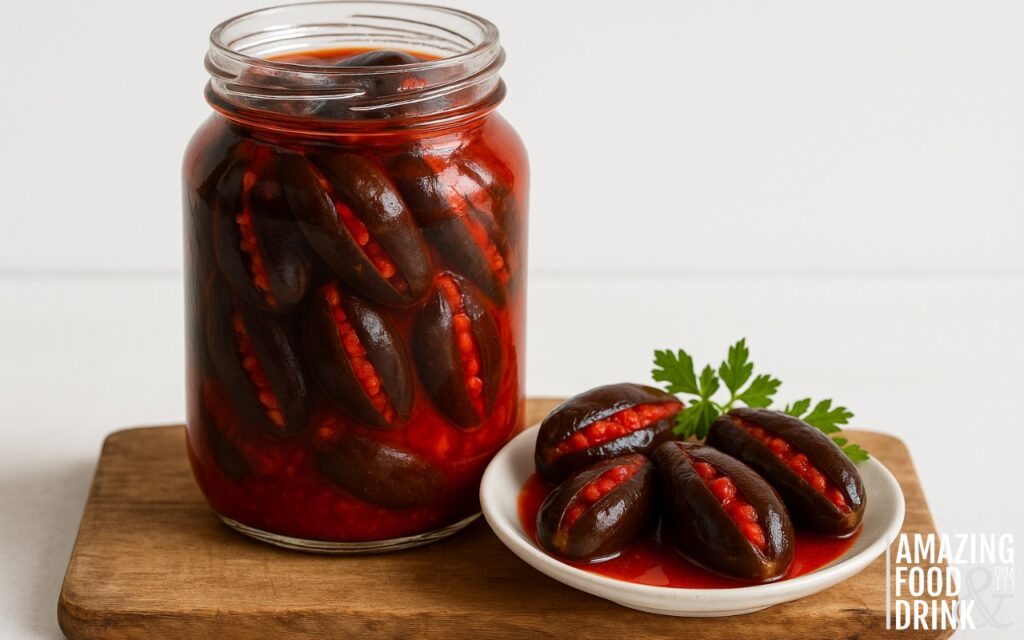
Pickled aubergines represent one indispensable, incredibly savoury side dish or appetiser that complements almost every other dish in Egyptian cuisine. This tangy, garlicky pickle adds a burst of flavour to any meal and showcases yet another way to cook eggplant the Egyptian way.
There are more than 15 different varieties of aubergine grown worldwide, displaying various colours and shapes. The Egyptian eggplant varieties include long white aubergine, long black aubergine, long purple aubergine, and round black aubergine. The first three elongated types are used to make mahshi (stuffed vegetables), as well as this pickled aubergine recipe. Round eggplant is reserved for Mesa’aa, as we’ve seen in the previous recipes.
The black aubergine used for pickling must not be too long—ideally about the length of your index finger. This size ensures the aubergine cooks properly and absorbs the tangy marinade effectively.
Ingredients
For the Garlic Stuffing:
- 2 tablespoons minced garlic
- 1 tablespoon minced carrot
- 1 green bell pepper, finely minced (or green chilli for extra heat)
- 2 tablespoons vegetable oil
- 1 teaspoon white vinegar
- Juice of 1 lemon
- 1 teaspoon sugar
- ¼ teaspoon cumin
- ½ teaspoon ground black pepper
- 1 teaspoon paprika
- 1 tablespoon hot chilli sauce
- 1 teaspoon salt (or to taste)
- 3 tablespoons water
For the Aubergine:
- 500g long black aubergine (small, finger-length pieces)
- Additional vegetable oil for frying (enough to fill the pan halfway)
Instructions
Preparing the Garlic Stuffing:
- Combine minced garlic, chopped green bell pepper (or chilli), vegetable oil, minced carrot, white vinegar, lemon juice, sugar, cumin, ground black pepper, paprika, hot chilli sauce, salt, and water in a small mixing bowl.
- Whisk all ingredients together vigorously until well combined into a thick paste.
- Set the mixture aside to let the flavours infuse whilst preparing the aubergine.
Preparing the Aubergine:
- Wash small aubergines thoroughly under cold running water.
- Remove calyx (green cap) by hand rather than with a knife.
- Make a vertical cut through each aubergine, slicing half-open lengthways (do not cut into complete halves—create a pocket that opens like a book).
Frying Method:
- Place a large frying pan over high heat and add vegetable oil until the pan is half full.
- Once the oil heats to the correct temperature, reduce the heat to medium-high.
- Carefully place split aubergines into hot oil and fry for approximately four minutes.
- Lower the heat to medium, turning the aubergines occasionally with tongs until fully cooked and softened.
- Transfer fried aubergine to kitchen paper and allow to cool completely.
- Once cooled, gently open each aubergine’s pocket and generously stuff with garlic mixture.
- Press filling in firmly so each piece is well packed with flavour.
Boiling Method (Healthier Alternative):
- Place the split aubergines in a cooking pot half-filled with boiling water.
- Cook for 7-10 minutes until tender.
- Remove carefully with a slotted spoon and place on a plate.
- Allow to cool completely.
- Once cooled, gently open each aubergine’s pocket and generously stuff with garlic mixture.
Storage and Serving
Your pickled aubergine is now ready to enhance your meals with its bold, tangy flavour.
Your Egyptian pickled aubergine is ready for immediate serving, though the flavour deepens if left to marinate for a few hours or overnight in the refrigerator. Serve these tangy, stuffed aubergines as part of a mezze spread, alongside grilled meats, or simply with warm bread and cheese for a light meal. They’ll keep in an airtight container in the refrigerator for up to one week, making them perfect for meal preparation.
Interestingly, this versatile garlic mixture can also be used to pickle tomatoes, creating another traditional Egyptian side dish that’s equally delicious.
Tips for Cooking Eggplant the Egyptian Way Perfectly
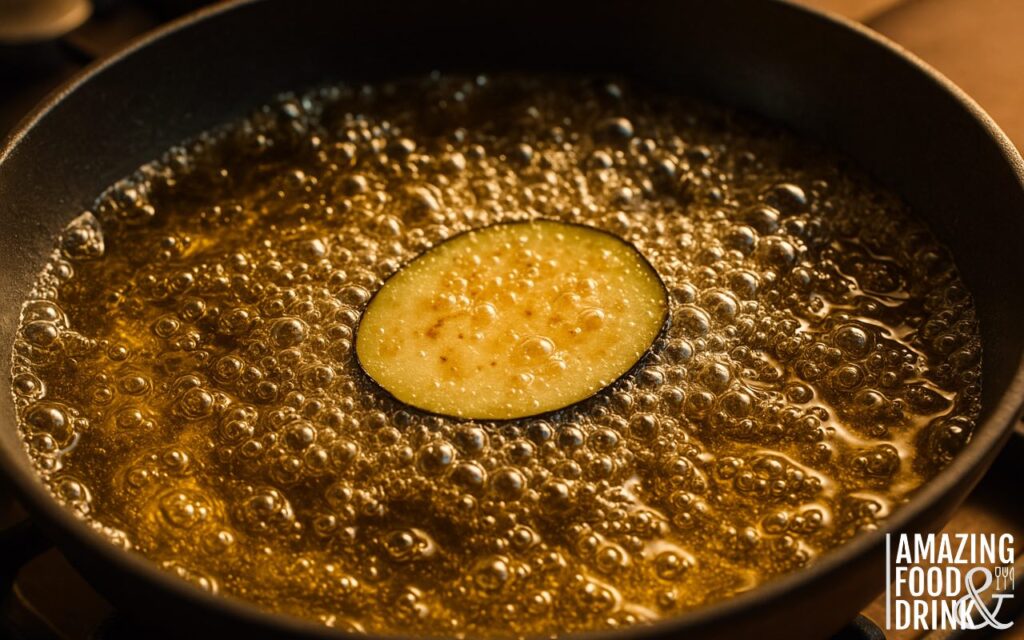
Master these essential techniques to ensure your Egyptian eggplant dishes turn out perfectly every time.
Selecting the Right Aubergine
Choosing quality aubergines is the first step towards successful Egyptian eggplant dishes.
When shopping for Egyptian eggplant recipes, choose firm aubergines with smooth, glossy skin free from blemishes or soft spots. The aubergine should feel heavy for its size, indicating fresh, moist flesh. For Mesa’aa, select larger, rounder aubergines (similar to Italian or globe aubergines found in UK shops). For pickled aubergine, look for smaller, elongated varieties—sometimes labelled as baby aubergines or finger aubergines in British supermarkets.
Achieving Perfect Fried Aubergine
Temperature control is crucial when frying aubergine. Heat your oil to approximately 175-180°C (350°F)—if you don’t have a thermometer, test with a small piece of aubergine, which should sizzle actively but not violently. Fry in batches to maintain oil temperature, never overcrowding the pan. Each batch of aubergine slices should have space to move freely, ensuring even cooking and that gorgeous golden-brown colour that characterises authentic Egyptian eggplant dishes.
Mastering the Bechamel Sauce
The secret to lump-free bechamel lies in constant stirring and gradual milk addition. Cook your roux (the flour and butter mixture) until it’s golden and fragrant, about 2-3 minutes—this removes the raw flour taste. Add milk slowly, whisking continuously, and be patient. If lumps do form, vigorously whisk the sauce or use a hand blender to smooth it out. For a richer bechamel, some Egyptian cooks add a pinch of nutmeg or white pepper.
Storage and Reheating
Store leftover Mesa’aa in airtight containers in the refrigerator for up to three days. Reheat gently on the hob over low heat, stirring occasionally and adding a splash of water or vegetable stock if the sauce has thickened too much. Bechamel Mesa’aa can be reheated in a 160°C (325°F) oven, covered with foil to prevent the top from over-browning. Both dishes freeze reasonably well for up to one month, though the texture of the aubergine may soften slightly upon thawing.
Conclusion: Mastering Egyptian Eggplant Recipes
Learning to cook eggplant the Egyptian way opens a gateway to authentic Middle Eastern cuisine that’s both accessible and deeply satisfying. Whether you’re preparing the quick weeknight Basic Mesa’aa, the impressive Bechamel Mesa’aa for special occasions, or the tangy pickled aubergine for meal prep, these recipes showcase the remarkable versatility of aubergine in Egyptian cooking.
The beauty of these Egyptian eggplant dishes lies in their adaptability—whilst they’re rooted in tradition, they welcome personal touches and modifications. Adjust spices to your preference, experiment with baking instead of frying for healthier versions, or add your favourite vegetables to the mix. What remains constant is the fundamental technique of transforming humble aubergine into extraordinary meals that satisfy both body and soul.
As you master these recipes, you’ll discover why Egyptian eggplant dishes have endured for generations, continuing to grace tables from Cairo to kitchens around the world. The combination of tender fried aubergine, aromatic spices, and rich sauces creates comfort food that transcends cultural boundaries whilst remaining authentically Egyptian at its heart.
So gather your ingredients, heat your oil, and prepare to experience the magic of cooking eggplant the Egyptian way. Your journey into Egyptian cuisine starts here, one delicious aubergine slice at a time.