Get Rid of Bloating Fast: 12 Natural Remedies That Actually Work
You’ve just finished a lovely meal, but instead of feeling satisfied, your stomach feels like an overinflated balloon. Your favourite jeans suddenly feel two sizes too small, and that uncomfortable tightness makes you want to curl up on the sofa rather than carry on with your day. Sound familiar? You’re not alone. Bloating affects millions of people daily, turning ordinary moments into uncomfortable experiences that can leave you feeling self-conscious and frustrated.
Whether it strikes after your morning coffee, following a hearty lunch, or seemingly out of nowhere, bloating doesn’t have to control your life. The good news is that with the right knowledge and a few simple strategies, you can get rid of bloating quickly and prevent it from returning. From understanding what’s actually happening inside your digestive system to discovering natural remedies that work in minutes, this guide will transform the way you approach digestive discomfort. Let’s explore the proven methods that will help you feel light, comfortable, and confident again.
Table of Contents
Quick Answer: How to Get Rid of Bloating in 5 Minutes
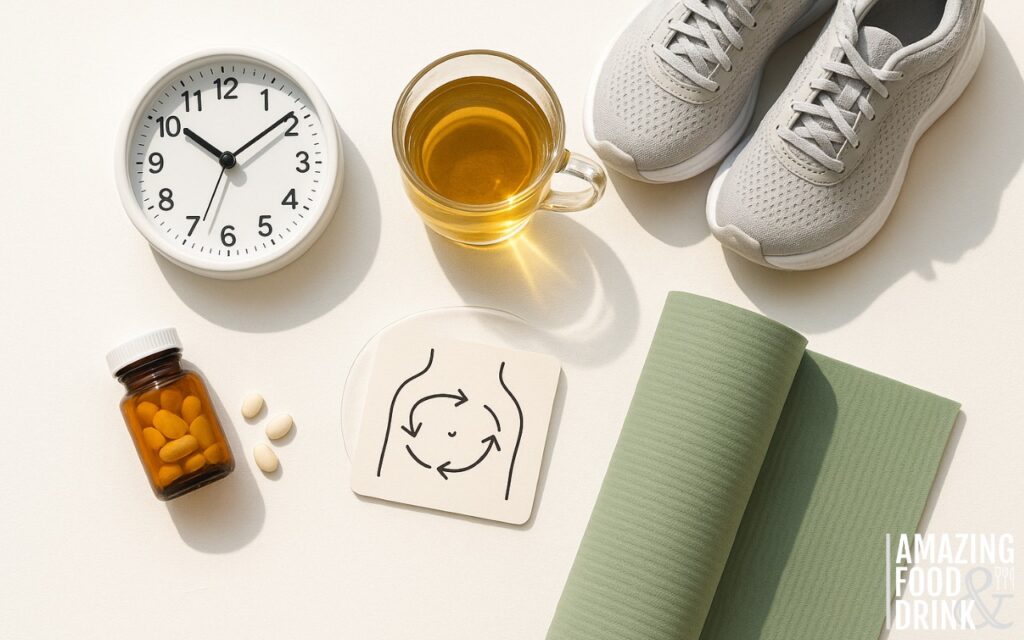
If you need immediate relief, try one of these fast-acting remedies:
- Drink peppermint tea – relaxes digestive muscles and reduces gas
- Take a 15-minute walk – helps move gas through your system
- Perform abdominal massage – apply pressure in a clockwise circular motion
- Take simethicone (Gas-X) – breaks up gas bubbles quickly
- Try the Wind-Relieving Pose – a yoga position that releases trapped gas
These quick fixes can help you get rid of bloating in as little as 5 to 15 minutes. For long-term relief, read on to understand the root causes and prevention strategies.
What Causes Bloating
Before you can understand how to get rid of a bloated stomach effectively, you should first understand what causes it. There are several factors that can trigger this uncomfortable condition, and knowing what’s causing yours is the key to finding lasting relief. Here are the most common causes of bloating according to medical experts:
Common Causes of Stomach Bloating
- Overeating – This is the most common culprit. Excess food fills the stomach and digestive tract, stretching the stomach walls and creating that uncomfortable tight feeling. The solution to get rid of bloating from overeating is to eat smaller portions and practise mindful eating.
- Eating Too Quickly – When you eat rapidly, you swallow excess air, which becomes trapped in your digestive system. Additionally, it takes several minutes for signals to travel from your stomach to your brain to tell you that you’re full, which often leads to overeating.
- Certain Foods and Drinks – Several foods trigger bloating in sensitive individuals. Foods that are high in fat take longer for the body to process, keeping the stomach full for extended periods. However, even healthy foods such as beans, lentils, and cruciferous vegetables can cause bloating due to their high fibre content and complex sugars.
- Constipation – One of the most common causes of bloating and gas is constipation. When waste material builds up in your colon, it creates pressure and discomfort. Drinking adequate water and consuming enough fibre can help alleviate this issue.
- Hormonal Changes and Menstrual Cycle – Many women experience bloating during their menstrual cycle due to hormonal fluctuations that cause water retention. Learning how to get rid of period bloating requires a slightly different approach, as it’s temporary and cyclical.
- Gas Buildup – Pockets of gas trapped in your digestive system not only make you feel bloated but can also cause pain and cramping. This gas can come from swallowed air or be produced during digestion.
- Food Intolerances – Lactose intolerance, gluten sensitivity, and FODMAP intolerance can all cause significant bloating. If you suspect a food intolerance, keep a food diary to identify trigger foods.
- Medical Conditions – Certain health conditions can cause chronic bloating, including irritable bowel syndrome (IBS), coeliac disease, small intestinal bacterial overgrowth (SIBO), and inflammatory bowel disease. If bloating persists despite lifestyle changes, consult your GP.
How to Get Rid of Bloating Fast: 12 Proven Methods
Now that you understand the causes, let’s explore the most effective ways to get rid of bloating quickly and prevent it from returning.
1. Drink Herbal Teas for Instant Relief

Certain herbal teas are remarkably effective at reducing bloating and gas. Peppermint tea is particularly powerful because it contains menthol, which relaxes the smooth muscles in your digestive tract and allows gas to pass more easily. Ginger tea is another excellent option, as it stimulates digestion and has natural anti-inflammatory properties.
How to use: Brew a cup of peppermint or ginger tea and sip it slowly after meals. You can also try fennel tea or chamomile tea, both of which have carminative properties that help expel gas.
2. Take a Gentle Walk After Eating
Movement is one of the simplest ways to get rid of bloating naturally. A 15 to 20-minute walk after eating helps stimulate your digestive system and encourages gas to move through your intestines rather than getting trapped. This gentle exercise also helps prevent constipation, another major cause of bloating.
Walking is particularly effective because it doesn’t require any equipment or special preparation – simply put on comfortable shoes and take a stroll around your neighbourhood.
3. Try Abdominal Massage Techniques
When you’re feeling bloated, applying pressure might seem counterintuitive, but abdominal massage can provide significant relief. This technique helps move gas through your digestive system and can stimulate bowel movements if you’re constipated.
How to perform abdominal massage:
- Lie on your back in a comfortable position.
- Place your hands on your right hip.
- Apply gentle but firm pressure in a circular motion.
- Move upward to your ribs.
- Continue across your abdomen to the left side.
- Move down to your left hip.
- Repeat for 5-10 minutes.
Important: Always massage in a clockwise direction, as this follows the natural path of your digestive system. Massaging counter-clockwise can actually worsen constipation.
4. Eat Potassium-Rich Foods Like Bananas
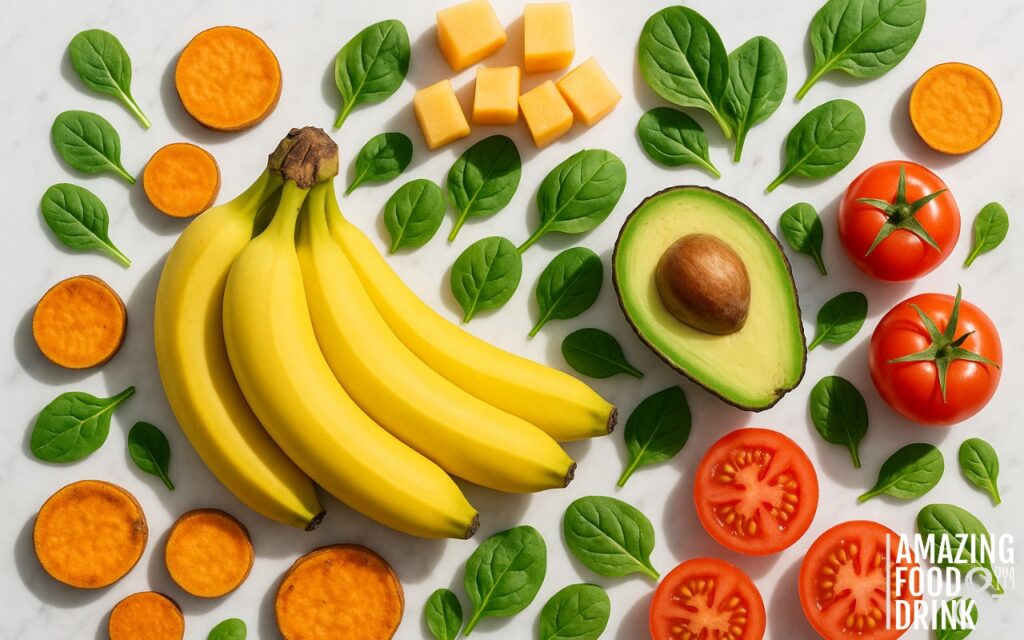
Bloating is often caused by water retention, which occurs when your body is low on potassium. Eating a banana daily can help regulate sodium levels and reduce water retention. Other potassium-rich foods include avocados, sweet potatoes, spinach, and tomatoes.
Bananas also contain resistant starch and fibre, which feed beneficial gut bacteria and promote healthy digestion. For best results, eat bananas when they’re still slightly green, as overripe bananas contain more sugar.
5. Include Probiotic-Rich Yoghurt in Your Diet
Probiotic yoghurt contains beneficial bacteria, particularly bifidobacteria and lactobacillus strains, which can help reduce gas and bloating by improving your gut microbiome. These good bacteria help break down food more efficiently and reduce the production of gas during digestion.
When choosing yoghurt, look for labels that specifically mention “live active cultures” or list specific probiotic strains. Greek yoghurt is an excellent choice due to its higher protein content and lower lactose levels. If you’re lactose intolerant, try lactose-free yoghurt or plant-based alternatives with added probiotics.
6. Avoid Carbonated Drinks and Artificial Sweeteners
Fizzy drinks are a major culprit when it comes to bloating. The carbonation introduces gas directly into your digestive system, leading to that uncomfortable bloated feeling. Diet sodas are even worse, as they contain artificial sweeteners like sorbitol, xylitol, and aspartame, which are difficult for your body to process.
These artificial sweeteners can ferment in your gut, producing excess gas and causing bloating. Dietitians recommend drinking primarily water throughout the day to stay hydrated and avoid digestive issues. If you find plain water boring, try infusing it with cucumber, lemon, or mint for natural flavour.
7. Introduce High-Fibre Foods Gradually
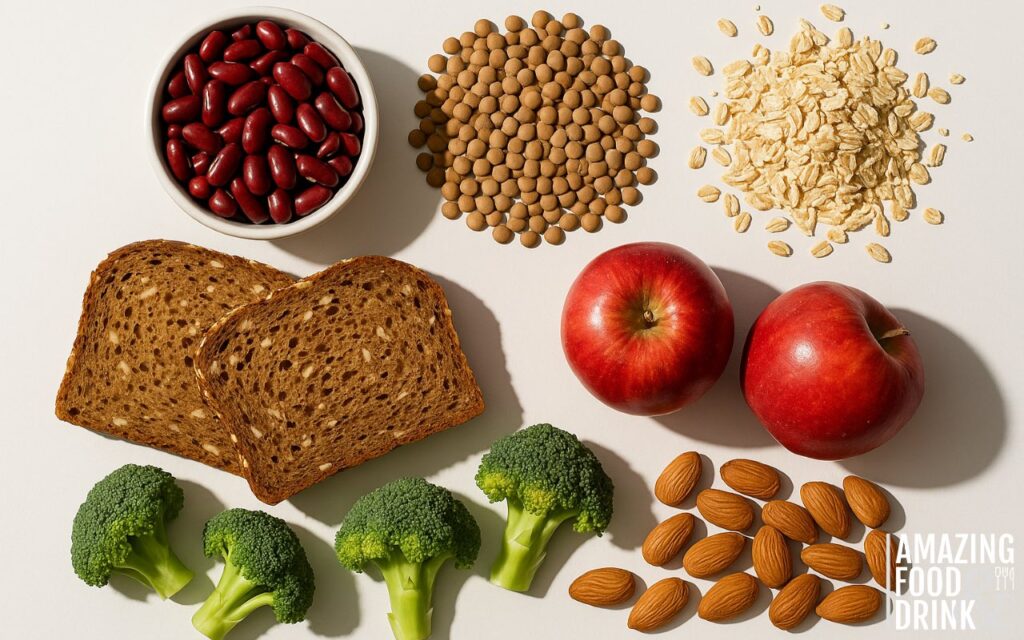
Whilst fibre is essential for digestive health, introducing too much too quickly can actually cause bloating and gas. Many people experience discomfort when they suddenly switch to a high-fibre diet because their digestive system needs time to adjust.
How to increase fibre safely: Start by adding about 5 grams of additional fibre per day, then gradually increase over several weeks. This allows your gut bacteria to adapt and prevents the uncomfortable side effects. Drink plenty of water alongside fibre-rich foods, as fibre needs water to move smoothly through your digestive system.
Good fibre sources include oats, quinoa, chia seeds, flaxseeds, berries, and leafy greens. These foods support healthy digestion without causing excessive gas when introduced properly.
8. Limit Carbohydrates in the Evening
Whilst carbohydrates aren’t inherently bad, consuming them late at night can contribute to morning bloating. Carbs cause your body to retain water – for every gram of carbohydrate stored as glycogen, your body holds approximately 3 grams of water.
To get rid of belly bloat, try reducing your carb intake during evening meals and focus on lean proteins and vegetables instead. Save your carbohydrate servings for earlier in the day when your body is more active and can utilise them for energy rather than storage.
9. Be Mindful of Activities That Cause Air Swallowing
Certain everyday activities cause you to swallow excess air, which becomes trapped in your digestive system and contributes to bloating. Common culprits include:
- Chewing gum – constant chewing causes air swallowing
- Drinking through straws – creates suction that pulls air down
- Smoking – introduces air with each inhalation
- Eating whilst talking – increases air intake during meals
- Drinking fizzy beverages – adds carbonation directly to your stomach
By eliminating or reducing these habits, you can significantly decrease the amount of gas in your digestive system and get rid of bloating more effectively.
10. Try Yoga Poses for Digestive Relief
Specific yoga poses can help release trapped gas and reduce bloating by compressing and massaging your digestive organs. These poses encourage movement through your intestines and can provide relief within minutes.
Effective yoga poses for bloating:
- Wind-Relieving Pose (Pawanmuktasana): Lie on your back, bring both knees to your chest, and hug them tightly. Hold for 20-30 seconds whilst breathing deeply.
- Child’s Pose (Balasana): Kneel on the floor, sit back on your heels, and fold forward with arms extended. This gentle compression massages your digestive organs.
- Cat-Cow Pose (Marjaryasana-Bitilasana): On hands and knees, alternate between arching your back and rounding it. This movement stimulates digestion and relieves gas.
- Seated Twist (Ardha Matsyendrasana): Sit with legs extended, cross one leg over the other, and twist towards the bent knee. This wringing action helps move gas through your system.
Practise these poses for 10-15 minutes when you feel bloated, or incorporate them into your daily routine for prevention.
11. Consider Over-the-Counter Remedies
Whilst lifestyle changes should be your first approach, having the right medications on hand can provide quick relief when you need it most. Here are the most effective over-the-counter options to get rid of bloating:
- Simethicone (Gas-X, Infacol): This is the active ingredient in most anti-gas medications. It works by breaking up gas bubbles in your digestive system, making them easier to expel. Take as directed on the package.
- Activated Charcoal: Taken before or after meals, activated charcoal may help absorb excess gas. However, scientific evidence is limited, and it can interfere with medication absorption, so use cautiously.
- Digestive Enzymes: Products containing enzymes like alpha-galactosidase (Beano) can help break down complex carbohydrates in beans and vegetables before they produce gas.
- Lactase Supplements (Lactaid): If you’re lactose intolerant, these supplements provide the enzyme needed to digest dairy products. However, use them in moderation – they won’t enable you to consume unlimited dairy without consequences.
- Peppermint Oil Capsules: Enteric-coated peppermint oil capsules can provide targeted relief by relaxing intestinal muscles and reducing gas.
Always read labels carefully and consult with your pharmacist or GP if you’re taking other medications.
12. Manage Period-Related Bloating
Hormonal fluctuations during your menstrual cycle can cause significant bloating and water retention. To get rid of period bloating, try these strategies:
- Increase calcium and magnesium intake: These minerals can help relieve PMS symptoms, including bloating. Good sources include dairy products, leafy greens, nuts, and seeds. Consider taking supplements if your diet is lacking.
- Stay hydrated: It might seem counterintuitive, but drinking more water actually reduces water retention by flushing excess sodium from your system.
- Reduce sodium intake: Limit salty foods in the week before your period to minimise water retention.
- Consider period-specific medication: Products like Midol contain a combination of pain reliever, diuretic, and caffeine to target multiple PMS symptoms, including bloating.
- Avoid high-fat foods: Whilst you might crave rich, comforting foods during your period, they can worsen bloating and digestive discomfort.
- Light exercise: Gentle movement like walking, swimming, or yoga can help reduce bloating and improve your mood during menstruation.
Best Anti-Bloating Foods to Include in Your Diet
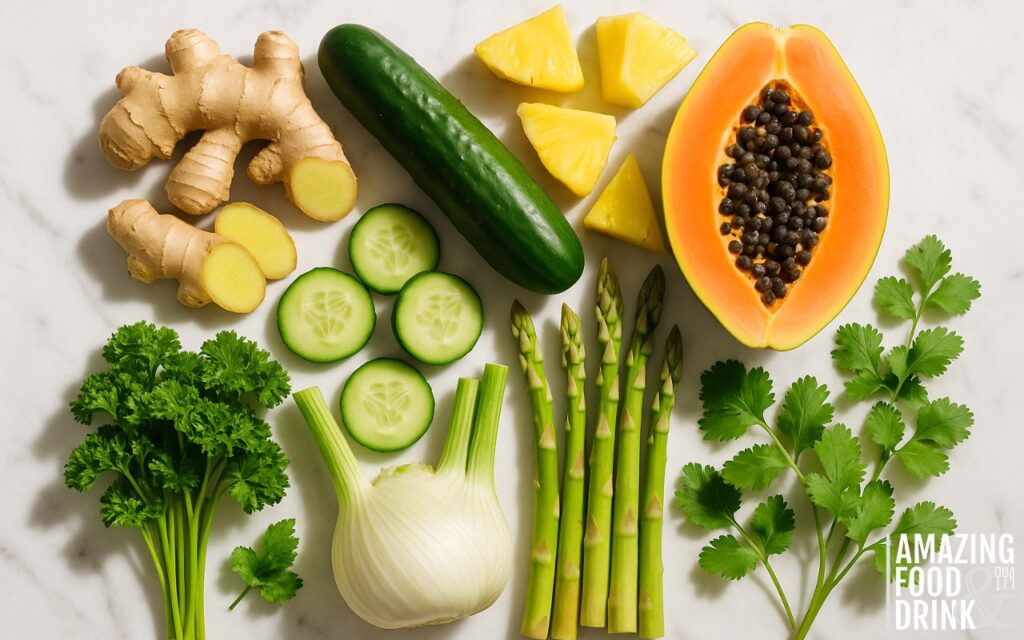
Adding specific foods to your diet can help you get rid of bloating naturally and prevent it from occurring:
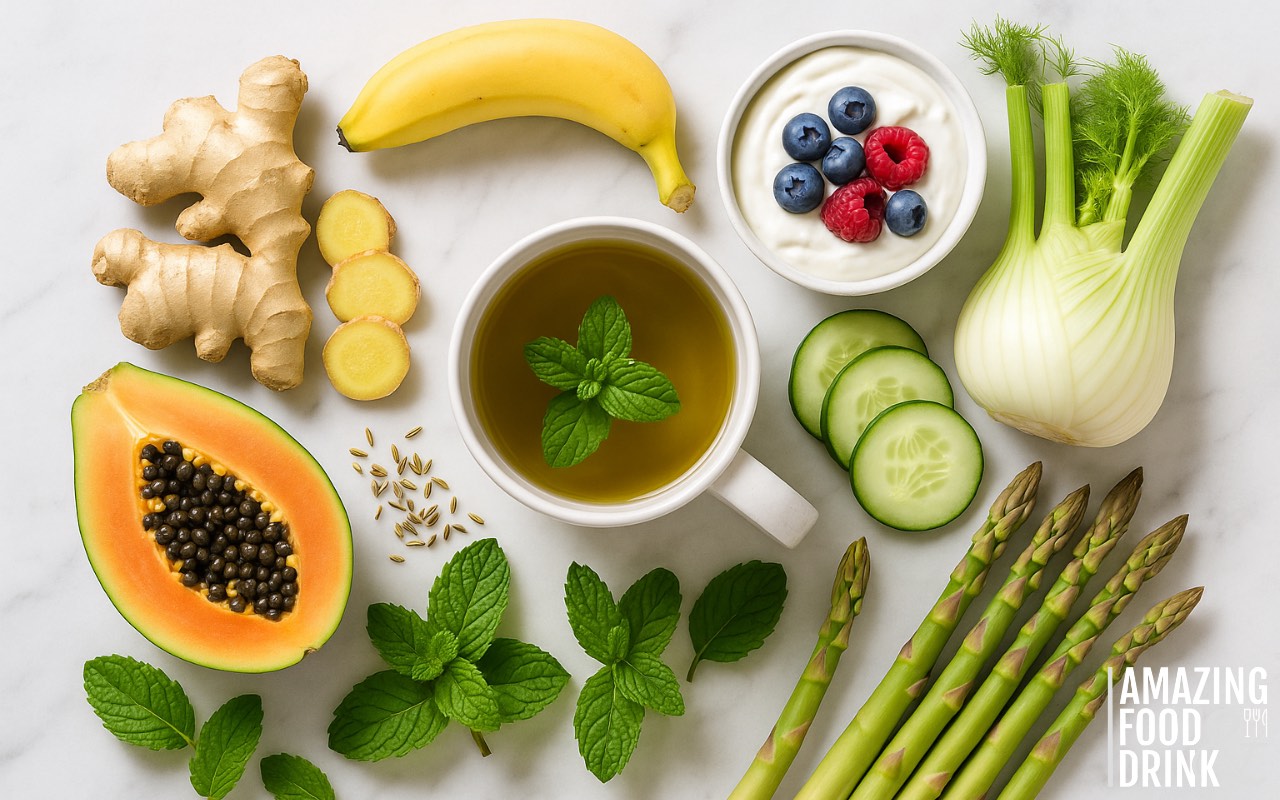
- Ginger: Contains compounds that stimulate digestion and reduce inflammation. Add fresh ginger to smoothies, tea, or stir-fries.
- Cucumber: Acts as a natural diuretic, helping flush excess water from your system. High water content also aids hydration.
- Pineapple and Papaya: Contain digestive enzymes (bromelain and papain) that help break down proteins and reduce bloating.
- Asparagus: A Natural diuretic that helps reduce water retention and supports healthy digestion.
- Fennel: Contains compounds that relax digestive muscles and reduce gas. Chew fennel seeds after meals or add fresh fennel to salads.
- Celery: High water content and natural diuretic properties make it excellent for reducing bloating.
- Kiwi: Contains actinidin, an enzyme that aids protein digestion and promotes regular bowel movements.
- Bone Broth: Rich in gelatin and amino acids that support gut lining health and reduce inflammation.
Foods to Avoid When You’re Bloated
Just as important as knowing what to eat is understanding what to avoid when you’re trying to get rid of bloating:
- High-FODMAP Foods: These fermentable carbohydrates can cause significant bloating in sensitive individuals. Common culprits include onions, garlic, wheat, apples, and stone fruits.
- Cruciferous Vegetables: Broccoli, cauliflower, cabbage, and Brussels sprouts contain raffinose, a sugar that produces gas during digestion. Cook them thoroughly to make them easier to digest.
- Beans and Lentils: Whilst nutritious, legumes contain oligosaccharides that can cause gas. Soak them overnight and rinse well before cooking to reduce this effect.
- Dairy Products: If you’re lactose intolerant, dairy will cause significant bloating and discomfort. Try lactose-free alternatives.
- Processed Foods: High in sodium, which promotes water retention and bloating.
- Sugar Alcohols: Found in sugar-free products, these sweeteners (ending in “-ol” like sorbitol, xylitol) are poorly absorbed and ferment in your gut.
When to See a Doctor About Bloating
Whilst occasional bloating is normal, persistent or severe symptoms may indicate an underlying medical condition. Consult your GP if you experience:
- Bloating that lasts for more than two weeks
- Severe abdominal pain or cramping
- Unexplained weight loss
- Blood in your stool
- Changes in bowel habits (persistent diarrhoea or constipation)
- Bloating accompanied by fever
- Difficulty eating or early satiety
- Bloating that worsens progressively
These symptoms could indicate conditions such as IBS, coeliac disease, SIBO, ovarian cysts, or other gastrointestinal disorders that require medical treatment. Don’t dismiss persistent bloating as simply a normal part of life—proper diagnosis and treatment can significantly improve your quality of life.
Bloating vs. Weight Gain: How to Tell the Difference
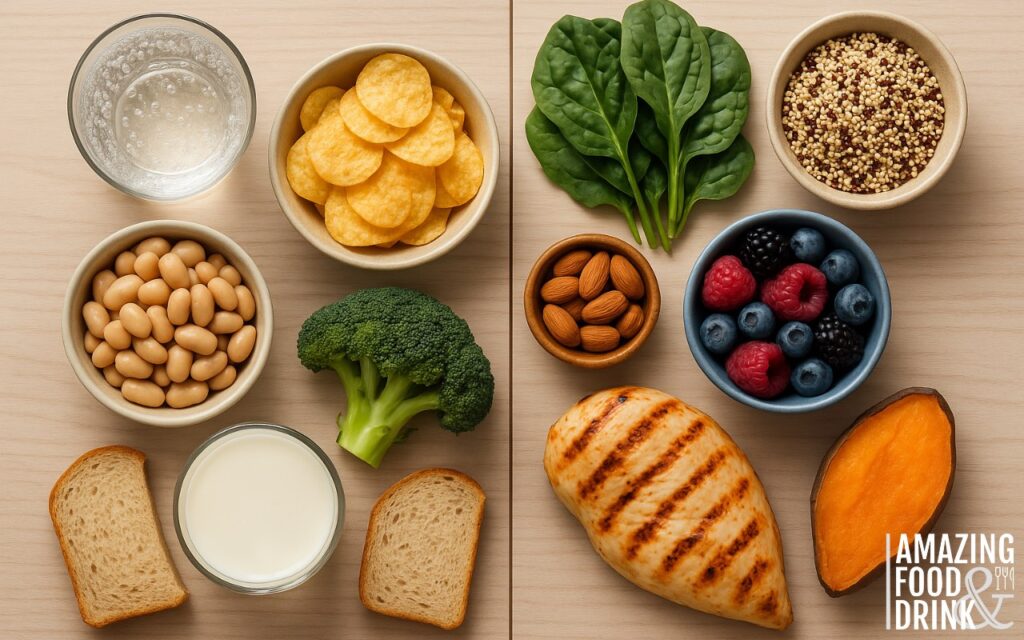
Many people confuse bloating with weight gain, but they’re distinctly different conditions:
Bloating characteristics
- Comes on suddenly, often after eating
- The stomach feels tight and swollen
- May be accompanied by gas or rumbling
- Fluctuates throughout the day
- Your clothes fit differently at different times
- Usually temporary (hours to a day)
Weight gain characteristics
- Develops gradually over time
- Consistent throughout the day
- Your clothes fit tighter consistently
- Accompanied by increased body weight on scales
- More evenly distributed across your body
- Doesn’t typically cause discomfort
If you’re unsure, track your symptoms in a food diary along with your weight. Bloating typically correlates with specific foods or times of day, whilst weight gain shows a steady upward trend over weeks.
Long-Term Prevention Strategies
To get rid of bloating for good, implement these long-term strategies:
- Keep a Food Diary: Track what you eat and when you experience bloating. Over time, you’ll identify personal trigger foods and patterns.
- Eat Mindfully: Sit down for meals, chew thoroughly (at least 20 times per bite), and eat slowly to reduce air swallowing and improve digestion.
- Stay Hydrated: Drink at least 2 litres of water daily to support digestion and prevent constipation.
- Exercise Regularly: Aim for at least 150 minutes of moderate activity per week to keep your digestive system moving efficiently.
- Manage Stress: Stress significantly impacts digestion. Practise relaxation techniques like meditation, deep breathing, or yoga.
- Establish Regular Meal Times: Eating at consistent times helps regulate your digestive system and can reduce bloating.
- Get Adequate Sleep: Poor sleep disrupts gut bacteria and can worsen digestive issues. Aim for 7-9 hours nightly.
- Consider Probiotics: A daily probiotic supplement can improve your gut microbiome and reduce bloating over time. Look for products containing multiple strains, including Lactobacillus and Bifidobacterium species.
Final Thoughts
Learning how to get rid of bloating effectively requires understanding your body and what triggers your symptoms. Whilst occasional bloating is normal, chronic bloating doesn’t have to be your reality. By implementing the strategies in this guide – from drinking peppermint tea and taking walks to identifying trigger foods and managing stress—you can find significant relief.
Start with the quick remedies when you need immediate relief, then work on the longer-term prevention strategies to reduce bloating frequency. Remember that everyone’s digestive system is unique, so what works for one person might not work for another. Be patient with yourself as you experiment with different approaches to find your personal solution.
If bloating persists despite trying these remedies, don’t hesitate to consult your GP. Professional medical advice can help rule out underlying conditions and provide targeted treatment options.
Medical Disclaimer: This article is for informational purposes only and is not intended to replace professional medical advice, diagnosis, or treatment. Always consult your GP or qualified healthcare provider before making significant changes to your diet or starting new supplements, especially if you have existing health conditions or take medications.