Instant Pot Recipes Guide: Dishes That Transform Under Pressure
Not every dish needs pressure cooking, but the ones that do? They change completely in an Instant Pot. Tough cuts of meat that would usually need hours of braising turn tender in about 30 minutes.
Dried beans cook through without any overnight soaking. Risotto gets that creamy texture—no endless stirring required.
The best Instant Pot recipes use ingredients that really need long, moist cooking and deliver the same results way faster. Short ribs, brisket, and pulled pork develop deep flavor under pressure.
Soups and stews pull every bit of taste from bones and veggies. Even grains like barley and farro cook evenly—no mush.
This guide sticks to dishes that actually benefit from pressure cooking. You won’t find recipes you could just as easily make on the stove.
I’ll show you which meals really improve in the Instant Pot and how to get the most out of your pressure cooker.
Key Takeaways
- Pressure cooking works best for tough meats, dried beans, and dishes that usually need long braising or simmering
- The Instant Pot can cut cooking time from hours to minutes, all while developing rich flavors through pressurized moist heat
- Top Instant Pot recipes include short ribs, stews, risotto, dried bean dishes, and one-pot meals with layered ingredients
Why Choose the Instant Pot for Pressure Cooking?
The Instant Pot brings together the speed of classic pressure cooking with precise electronic controls. It also offers multiple cooking functions in one handy appliance.
You get faster cooking times than with old-school methods, plus better flavor and nutrient retention. It’s especially good for certain types of dishes, not every recipe in your kitchen.
Time-Saving Benefits and Efficiency
An electric pressure cooker can cut cooking times by 50 to 70 percent compared to stovetop methods. A pot roast that usually takes two hours in the oven finishes in 30 to 40 minutes under pressure.
Dried beans that would need soaking and hours of simmering turn tender in 20 to 35 minutes, no soaking needed.
The Instant Pot reaches pressure faster than stovetop models because its electric heating element wraps around the pot. The sealed environment traps steam and builds pressure quickly, bringing the temperature up to about 116°C—higher than water’s normal boiling point.
This efficiency goes beyond just speed. Once you seal the lid and start the timer, you barely need to check on it. No fiddling with heat levels or worrying about burning.
How Pressure Cooking Enhances Flavour and Texture
High pressure pushes moisture and flavor deep into the food. Tough cuts like brisket or shoulder break down and become tender but still juicy.
The sealed pot keeps flavor from escaping, making stocks, stews, and curries taste richer.
Pressure cooking softens fibrous veggies like beetroot and winter squash in just a few minutes. Root vegetables keep their shape better than with boiling, since they don’t get waterlogged.
This method also preserves more vitamins and minerals than boiling or steaming. Nutrients stay in the liquid, and the short cooking time means less is lost to heat.
Electric Pressure Cooker vs Traditional Methods
Traditional stovetop pressure cookers need constant watching to keep pressure steady and avoid overcooking. The Instant Pot’s digital controls handle temperature and pressure for you.
Built-in safety features keep the lid locked while the pot’s pressurized.
The multi-function design means you can use it as a slow cooker, rice cooker, or even a yogurt maker. You can sauté aromatics right in the pot before pressure cooking, so you don’t need extra pans.
Electric models hold pressure more consistently than stovetop versions, which can fluctuate with burner heat. That reliability really matters for dishes needing precise cooking times, like risotto or soft-boiled eggs.
Foundational Instant Pot Recipes and Concepts
To build a solid foundation with pressure cooking, you need to know which pantry items really shine under pressure and how to tweak classic recipes for the Instant Pot.
Rice, dried beans, and tough cuts of meat do incredibly well in an Instant Pot. Delicate ingredients, though, can suffer from the intense heat and pressure.
Core Pantry Staples for Instant Pot Cooking
Dried pulses are some of the best staples for pressure cooking. Chickpeas, black beans, and kidney beans cook in 25 to 40 minutes without any soaking—compared to hours on the stove.
Brown rice cooks in 22 minutes. You get fluffy, separate grains instead of the mush you sometimes get from stovetop cooking.
Tougher cuts of meat like beef shin, pork shoulder, and lamb neck become tender in 35 to 45 minutes. Collagen breaks down under pressure, making rich, silky sauces without hours of simmering.
Stock ingredients really benefit from pressure. Chicken carcasses, beef bones, and veggie scraps make flavorful stock in 90 minutes. The sealed pot extracts more flavor and gelatin than hours of simmering could.
Whole grains like pearl barley, farro, and steel-cut oats cook evenly in the Instant Pot. Pearl barley takes only 20 minutes and keeps a nice chew.
Adapting Classic Pressure Cooker Recipes
Classic stovetop pressure cooker recipes don’t need much tweaking for the Instant Pot. The main thing to watch is liquid—use a bit less, since almost nothing evaporates in the sealed pot. Usually, I cut the liquid by about 15% compared to stovetop recipes.
Cooking times stay about the same between stovetop and Instant Pot models. If a beef stew needs 30 minutes on the stove, it’ll need the same time in the Instant Pot. Just remember to add 10 to 15 minutes for the pot to reach pressure.
Release methods make a difference. Natural release works best for recipes with lots of liquid or foamy ingredients like beans and grains. Quick release is better for veggies and delicate proteins.
Sometimes I use a mix: 10 minutes natural release, then quick release. That helps prevent splatter and avoids overcooking.
The Instant Pot’s browning function lets you sear meat or sauté aromatics right in the pot. That step adds flavor you just can’t get from pressure alone.
The Dishes That Genuinely Benefit from Pressure Cooking
Pressure cooking really shines when you need to turn tough proteins into something tender, soften dried beans and grains quickly, or pull deep flavors from root veggies and broths.
Tough Cuts of Meat and Braises
You can take cheap cuts like beef brisket, lamb shoulder, pork belly, and oxtail and turn them into tender Instant Pot meals in under an hour. These cuts pack in collagen, which melts into gelatin under heat and pressure.
The sealed pot keeps moisture in and holds a steady high temperature, breaking down all that tough connective tissue.
Short ribs go fall-apart tender in 45 minutes, not three hours. Chuck roast gets that rich, melting texture in 60 minutes instead of four hours in the oven.
Traditional Irish stew comes out great in the Instant Pot—the lamb gets super tender, and the veggies keep their shape.
Pressure cooking also intensifies braising liquids. Wine, stock, and aromatics get concentrated without evaporating, so sauces come out glossy and packed with flavor.
Chicken thighs turn out juicy and tender in just 12 minutes. That makes them perfect for fast weeknight dinners.
Beans, Grains, and Pulses
Dried beans cook in 25 to 40 minutes, no soaking required. Chickpeas get creamy in 35 minutes, black beans in 25, and cannellini beans in 30. Pressure softens both skins and insides evenly.
Brown rice cooks in 22 minutes and comes out perfectly separate, never mushy. Pearl barley takes 20 minutes, farro only 10, and steel-cut oats are done in just 3 minutes. The grains stay chewy and don’t get soggy.
Lentils cook fast but still get a boost from pressure when you add aromatics and stock for soups. Red lentils break down in 8 minutes, while green and brown ones hold their shape in 10. The sealed pot helps spices and seasonings soak in deeper.
Root Vegetables and Soups
Root veggies like beetroot, turnips, and whole potatoes cook through in 15 to 20 minutes. They keep their shape and become fork-tender, unlike boiling, which can leave uneven results.
Carrots and parsnips taste sweeter after pressure cooking, as their sugars caramelize a bit.
Soups get that long-simmered flavor in just 20 to 30 minutes. Vegetable stock turns rich and full-bodied, as pressure pulls out gelatin from bones and collagen from veggies.
Potato and leek soup becomes velvety, and minestrone develops deep tomato flavor with perfectly cooked pasta.
The Instant Pot makes one-pot meals easy. Proteins, veggies, and liquids cook together, and if you add quick-cooking ingredients after pressure release, everything comes out just right.
Curries work especially well, letting spices bloom while chicken or lamb turns tender.
Essential Instant Pot Chicken Dishes
Chicken really thrives under pressure. The sealed pot traps moisture and breaks down connective tissue in no time.
Whole birds cook evenly and stay juicy, and rice-based meals turn into easy one-pot dishes where every grain soaks up flavor.
Pressure-Cooked Whole Chicken
A whole chicken cooks in 25 to 30 minutes under high pressure, depending on its size. You get meat that stays moist, even in the usually dry breast.
Set the bird on a trivet over a cup of liquid, so it doesn’t burn and steam can circulate.
The texture is different from roasting. Pressure cooking won’t crisp the skin, so the chicken comes out more like rotisserie than oven-roasted. If you want crispy skin, stick it under the grill for a few minutes after cooking.
Season the cavity with salt, pepper, and herbs. Stuff in garlic cloves, lemon halves, or onion quarters for extra flavor in both the meat and the cooking liquid.
That liquid makes a great base for gravy—just thicken it with flour or cornstarch.
Classic Chicken and Rice
Chicken and rice cooked together in the Instant Pot is a game-changer. The rice soaks up all the chicken fat and juices.
Brown rice, which usually takes 45 minutes on the stove, finishes in 22 minutes with chicken thighs or drumsticks.
Get the ratio right: 1.25 cups of liquid per cup of white rice, or 1.5 cups for brown rice. Place chicken pieces on top of the uncooked rice, so they release fat and moisture as they cook.
Season with paprika, garlic powder, and chicken stock for better flavor than just water.
You can make this dish in lots of styles. Mexican versions use salsa and cumin. Thai versions add coconut milk and curry paste. The Instant Pot makes all of them simple.
Noteworthy Instant Pot Chicken Recipes
Chicken tikka masala really shines in the Instant Pot. The sealed environment keeps the cream-tomato sauce from splitting, and the chicken soaks up loads of flavor while staying super tender.
For chicken carnitas, think of them as the poultry version of pork carnitas. Just season chicken thighs with cumin, oregano, and chili powder, then pressure cook them in citrus juice and stock. Once they’re done, shred the meat and crisp it under the grill. They’re perfect for tacos or burritos.
Making Buffalo chicken dip is a breeze. Pressure cook chicken breast straight from frozen for 15 minutes, then shred it and mix with cream cheese, ranch, and hot sauce. Way faster than using rotisserie chicken. Chicken noodle soup gets a boost, too—the bones release their gelatin into the broth, so you get rich flavor without hours of simmering.
Unmissable Beef and Pork Dishes
Short ribs and pork ribs just melt in the Instant Pot. The pressure breaks down connective tissue way faster than old-school methods. You get meat that’s moist, flavorful, and pulls right off the bone with a silky texture.
Succulent Instant Pot Short Ribs
Short ribs become fork-tender in about 45 minutes at high pressure. Browning the meat first with the sauté function gives you a caramelized crust and lots of flavor for the sauce.
A mix of beef stock, red wine, garlic, and thyme surrounds the ribs while they cook. The pressure forces those flavors deep into the meat, melting fat and breaking down tough fibers. Natural pressure release matters here—it lets the ribs relax and stay tender.
Once they’re done, the ribs should yield easily to a fork. Reduce the braising liquid with sauté mode for a glossy sauce. Skim off any extra fat so the sauce isn’t greasy and coats the meat nicely.
Tender Instant Pot Ribs
Baby back and spare ribs cook through in just 25 to 30 minutes under pressure. That’s a fraction of the time you’d spend using an oven or smoker. This method really suits ribs that will get a sticky glaze, since the moist environment softens the bark.
Start by removing the membrane on the bone side. Cut full racks into sections that fit your pot. Stand the rib sections upright around the pot’s edge so they cook evenly. Add a cup of liquid to create steam for pressure.
After cooking and a quick release, pop the ribs under a hot grill for 5 to 10 minutes with barbecue sauce. This caramelizes the glaze and adds a bit of crunch. The bones should pull away cleanly, and you’ll get meat with a nice chew—not just falling apart.
Vibrant One-Pot and Global-Inspired Mains
Pressure cooking turns elaborate international dishes into quick weeknight dinners by packing in flavor and cutting cook times in half—or more. The Instant Pot works wonders for cream-based pastas, spiced rice, and curry-style mains where layers of flavor matter.
Tuscan Chicken Pasta
This dish brings together chicken, sun-dried tomatoes, spinach, and cream all in one pot. Pressure cooking lets the pasta soak up the liquid, so you don’t need to boil it separately or fuss with a cream sauce on the stove.
Chicken cooks in 8 minutes under high pressure right alongside the pasta. Garlic, Italian herbs, and sun-dried tomatoes release their oils and flavor the whole dish as it cooks. In about 25 minutes, you’ve got something that tastes restaurant-worthy.
Add fresh spinach and parmesan at the end. The veggies stay bright and the cheese adds richness. Doing it all in one pot means less cleanup and, honestly, more flavor than if you cooked everything separately.
Instant Pot Jambalaya
Jambalaya loves the Instant Pot. Rice, meat, and veggies cook together without turning to mush, and the moisture and aromatics stay locked in.
Brown sausage and chicken right in the pot to build up flavor on the bottom. Then toss in tomatoes, Cajun spices, and stock for the cooking liquid. Ten minutes under pressure is all it takes for the rice to absorb the spiced liquid and for the proteins to stay juicy.
The result is deep and smoky, with a hint of heat from andouille sausage and cayenne. The rice gets just sticky enough to hold everything together—kind of like the real deal, but in 40 minutes.
Instant Pot Butter Chicken
Traditional butter chicken takes forever. The Instant Pot gets it done in 15 minutes, tenderizing the chicken and blending the spices into a silky sauce.
Chicken pieces simmer in a tomato base with garam masala, ginger, and garlic. Pressure cooking infuses the meat with spice and breaks down the tomatoes. Stir in cream and butter after cooking to keep everything smooth and rich.
You get that classic, slightly sweet flavor—just like at your favorite restaurant. Serve it with rice or naan to mop up every bit of sauce.
Comforting Soups and Stews
The Instant Pot makes soups and stews way more flavorful by breaking down tough ingredients quickly and locking in taste. These recipes show how you can get tender results and rich flavor without hours of simmering.
Instant Pot Potato Soup
Instant Pot potato soup turns simple stuff into a creamy, cozy meal in less than 30 minutes. The pressure breaks down potatoes perfectly, so you don’t need loads of cream or flour for a thick soup.
Cut the potatoes into even 2cm pieces for best results. That way, everything cooks evenly and you avoid mushy bits. White or red potatoes hold up well, while russets can get a little grainy.
Essential ingredients:
- 900g potatoes, diced
- 1 litre chicken or vegetable stock
- 200ml double cream
- 150g bacon lardons (optional)
- 2 leeks, sliced
Set the Instant Pot to high pressure for 8 minutes. Let it release naturally for 5 minutes, then finish with a quick release. This stops hot liquid from spurting out. For a chunkier soup, mash it by hand instead of blending. The soup thickens as it cools, so add extra stock if you reheat it.
Hearty Chicken Noodle Soup
Instant Pot chicken noodle soup gives you tender chicken and a rich broth, no long simmer needed. Pressure pulls collagen from the bones, making the stock taste like it’s been cooking all day.
Use bone-in chicken thighs—they stay juicy and add more flavor than breasts. The bones make the broth heartier, too.
Cook chicken with veggies and stock on high pressure for 15 minutes. Shred the chicken after cooking and put it back in the pot. Add egg noodles at the end and cook them on sauté for 6-8 minutes. If you pressure cook noodles, they’ll just get mushy.
Carrots, celery, and onion make up the classic base. Fresh thyme and bay leaves add a nice herbal note. Soup freezes well for up to three months, but leave the noodles out if you’re freezing—add fresh ones when reheating.
Pressure-Cooked Chilli and Beans
Instant Pot chilli gives you tender beans and rich flavor in under an hour. Start with dried beans—no need to soak them first. They’ll cook through and soak up the spiced tomato sauce under pressure.
The sealed pot traps all the aromas that usually escape on the stove. That means deeper, more complex flavor. Sauté cumin, paprika, and chili powder in hot oil before adding the liquids for the best taste.
Cooking times for dried beans:
- Kidney beans: 30 minutes high pressure
- Black beans: 25 minutes high pressure
- Pinto beans: 25 minutes high pressure
Brown the mince with sauté mode to caramelize it and create fond on the bottom. Add tinned tomatoes, purée, beans, and spices, then cook at high pressure for the times above.
Let the pressure drop naturally for at least 15 minutes. Quick release can make beans burst and the chili watery. The chili thickens a lot as it sits—add a splash of stock when reheating if needed.
Indulgent Instant Pot Pasta and Rice
The Instant Pot makes pasta and rice dishes creamier and more flavorful by cooking everything together. The sealed pot keeps moisture in and lets flavors concentrate.
Instant Pot Mac & Cheese
The pressure cooker actually delivers better mac and cheese than the stovetop. Pasta cooks right in milk and broth, soaking up liquid and releasing starch to thicken the sauce. No need for a separate roux or béchamel.
Use any short pasta—macaroni, shells, or penne. Four minutes at high pressure is usually enough. The steam keeps the milk from burning, which is a common stovetop headache.
After releasing pressure, the mix looks thin but thickens up when you stir in cheese. Sharp cheddar gives flavor, while cream cheese adds creaminess. A pinch of mustard powder can boost the cheese taste without adding heat.
You get richer results than boxed mac and cheese, and there’s less cleanup. The pasta actually absorbs the seasoning instead of just sitting in sauce.
Risotto and Creamy Rice Dishes
You can make proper risotto in the Instant Pot with barely any effort. The rice releases starch and soaks up stock under pressure, so you get that creamy texture in about six minutes. No endless stirring required.
Arborio or carnaroli rice works best. Cook it with stock, wine, and aromatics at high pressure. When it’s done, stir in butter and parmesan for the classic all’onda finish.
This method also nails coconut rice, pilaf, and Spanish rice. Each grain stays separate, and the liquid turns into a flavorful sauce. Brown rice softens in 22 minutes, making grain bowls a quick option.
Rice pudding is especially good in the Instant Pot. The grains break down just enough to thicken the milk, so there’s no need for extra thickeners.
Vegetarian and Vegan Creations
Cooking plant-based meals in the Instant Pot isn’t just convenient—it actually makes them taste better. The sealed pot concentrates flavors and cooks dried beans and lentils from scratch, no soaking required.
Building Robust Flavour with Plant-Based Ingredients
Pressure cooking brings out the best in plant-based ingredients by using concentrated heat and moisture. Dried beans turn creamy in just 45 to 60 minutes, and you don’t even need to soak them overnight.
The sealed pot keeps all those aromatic compounds from onions, garlic, and spices from escaping, so you get a deeper, richer flavour.
Lentils cook up in about 15 to 20 minutes and still hold their shape. I love tossing them into tacos or grain bowls. Split peas? They break down completely in just 8 to 10 minutes, making soups thick and hearty without extra thickeners.
Mushrooms really shine under pressure. Pair them with tomatoes and a spoonful of miso paste, and you’ve got a savoury base for chilli or stew that’s hard to beat.
Pressure also draws out the best from whole spices like cinnamon sticks and star anise, much faster than simmering on the stove.
Fresh veggies like butternut squash and sweet potatoes go tender in 8 to 12 minutes. They keep their bright colour and nutrients, which longer cooking sometimes ruins.
Top Vegan Recipes for Your Instant Pot
Lentil and vegetable chilli comes together in 20 minutes with fire-roasted tomatoes and smoked paprika. The pressure gives it that slow-cooked depth in a fraction of the time.
White bean and wild rice soup lets you combine ingredients with different cooking times in one pot. The beans soften up while the rice stays perfectly intact, so every bite has a little variety.
Butternut squash soup with ginger and coconut milk only needs 10 minutes at pressure. Blend it smooth or leave it chunky—totally up to you.
Refried beans start with dried pintos and finish in about an hour. They taste fresher than anything from a tin, and they’re way cheaper, too.
Chickpea curry uses dried chickpeas, curry paste, tomatoes, and coconut milk all cooked together. Just toss everything in and serve it over rice when it’s done.
Delightful Instant Pot Desserts
The Instant Pot really shines with desserts that need gentle, moist heat or just benefit from a bit of speed. Steamed puddings get a better texture here than in the oven, and fruit compotes or cheesecakes cook faster but don’t lose any quality.
Steamed Puddings and Cakes
Steamed puddings like sticky toffee or gingerbread turn out incredibly moist in the Instant Pot. The sealed pot traps all the steam, so you get consistent heat and no dry edges.
A standard sticky toffee pudding cooks in just 35 minutes under pressure, way faster than the usual 90 minutes.
Bread pudding gets a real upgrade, too. The pressure pushes custard evenly through the bread, so you don’t end up with dry bits. The texture turns silky, not grainy, and you don’t have to worry about burning the bottom.
Self-saucing puddings are a breeze. Pour water and butter over the batter, cook it under pressure, and the liquid works its way through to create a caramelised sauce underneath. It’s like cake meets custard—best served warm, maybe with a splash of cream.
Speedy Fruit Compotes and Cheesecakes
Pressure cooking turns fruit into compote in just a few minutes. Apples break down into applesauce in about 8 minutes, and whole pears only need 3 minutes to poach but still hold their shape.
The sealed pot really concentrates fruit flavours, so you don’t have to add much sugar.
Cheesecakes set up beautifully in the Instant Pot’s humid environment. The water bath you get from adding liquid prevents cracks and cooks the filling evenly.
A basic cheesecake needs 30 to 35 minutes at pressure, then a chill overnight. The texture comes out denser and creamier than oven-baked ones. I think an Oreo crust works especially well since it stays crisp even with all the moisture.
Frequently Asked Questions
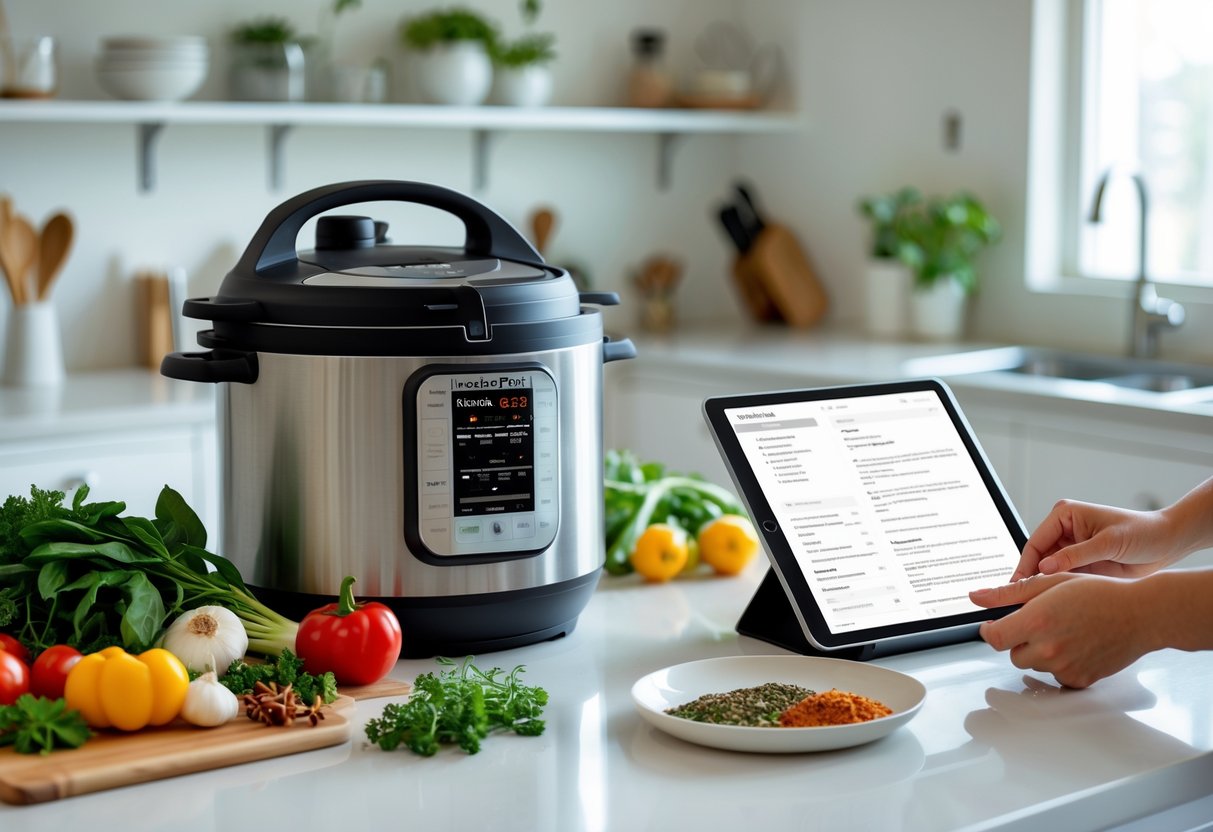
Pressure cooking brings up a lot of questions about timing, nutrition, and which recipes to try. Here are some answers to common Instant Pot dilemmas.
What are some easy and time-saving dishes to make in an Instant Pot?
Carnitas cook in just 45 minutes in the Instant Pot, instead of hours in the oven. The pork shoulder comes out tender enough to shred and full of flavour.
Steel-cut oats take half the usual time and don’t need constant stirring. You can even set them up the night before with the delay timer.
Jambalaya brings together rice, shrimp, sausage, and chicken thighs in under 40 minutes. The rice soaks up all the tasty juices from the meat and aromatics.
Butternut squash soup is another easy one. The pressure cooker breaks down the squash fast, so you get a smooth soup without hours of simmering.
Can you list the top ten meals for pressure cooking that maintain nutritional value?
Bone broth pulls minerals and collagen from bones in just 90 minutes, instead of the usual 24-hour simmer. The high pressure breaks down connective tissue but keeps nutrients in.
Lentil and vegetable curries hold onto more water-soluble vitamins than stovetop versions. The sealed pot keeps nutrients from escaping.
Steel-cut oats keep their fibre and have a lower glycaemic index than instant oats. Pressure cooking doesn’t take away those benefits.
Whole chicken cooks evenly and stays juicy, keeping B vitamins intact. The short cooking time helps protect the protein.
Brown rice keeps its bran layer and nutrients, and pressure cooking cuts the time from 45 to 22 minutes.
Sambar uses split pigeon peas, veggies, and spices. The pulses soften up, but the veggies don’t turn to mush.
Salmon fillets—even straight from the freezer—stay tender and keep their omega-3s. Steaming keeps the fish from drying out.
Chicken and wild rice soup brings together whole grains and lean protein. The wild rice keeps its nutty flavour.
Stuffed peppers with lean beef and rice cook much faster than in the oven. The peppers get soft but don’t lose their shape or vitamin C.
Bean-based chilli skips the soaking and cooks dried beans thoroughly. You get a protein- and fibre-rich meal in way less time.
Which Instant Pot recipes are favoured for their popularity and taste?
Butter chicken gets deep, warming flavours without marinating the meat. The pressure cooker pushes the spices right into the chicken.
Mac and cheese with just five ingredients makes a creamy sauce in four minutes. The pasta cooks right in the sauce and soaks up all the flavour.
Swedish meatballs with gravy come together without fussing over a roux. The pressure creates a creamy sauce that clings to the meatballs.
Pot roast turns fall-apart tender if you give it a good sear first. The veggies soak up all the savoury juices while they cook.
Chicken tortilla soup gets a smoky kick from ancho chilli powder and chipotles. The broth gets complex in a fraction of the usual time.
Texas-style chilli mac mixes beef, macaroni, and processed cheese for a dish that tastes long-simmered without the wait.
Where can I find a comprehensive Instant Pot recipe book in PDF format without charge?
You can grab free recipes and cooking guides from the official Instant Pot website. They’ve got timing charts and basic instructions for all the classics.
A lot of food websites offer downloadable recipe collections if you sign up with your email. They usually come with tested recipes and step-by-step directions.
Public libraries have digital cookbooks you can borrow with a library card. It’s a good way to try before you buy.
What are the best ‘dump and go’ meals for a quick Instant Pot dinner?
Pasta marinara is as easy as it gets—just toss in dried pasta, tinned tomatoes, garlic, and herbs. Everything cooks together, no pre-cooking needed.
Chicken posole mixes raw chicken, hominy, and chillies in one go. You get a Mexican soup with hardly any prep.
Frozen salmon with soy sauce and ginger goes straight from freezer to pot. The fish cooks while soaking up all those flavours.
Lemon chicken with orzo uses frozen chicken breasts. The pasta and chicken cook together, so dinner’s ready in one pot.
How can I use my Instant Pot to aid in preparing healthful meals for weight loss?
You can cook lean proteins like chicken breast and salmon in just minutes. The steam from the Instant Pot keeps meat juicy, so you don’t need to add oil or butter.
I love using it for vegetable-heavy soups. Butternut squash or lentil soup both fill you up and pack in nutrients without piling on calories.
Whole grains, like brown rice and steel-cut oats, cook way faster under pressure. They give you steady energy and help keep hunger in check.
Batch cooking works wonders for sticking to your plan. When you make a big pot of soup or chili, you’ve got ready-to-go meals for the week.
Bean and lentil dishes come together easily, too. These legumes bring plant-based protein, plus fiber to help with digestion and keep you fuller longer.