Is Sugar Addictive? 7 Proven Ways to Stop Now

When most people think of sugar, they often envision homemade biscuits or wrapped sweets. Whilst everyone knows that eating too many of these treats is bad for their health, a growing number of nutritionists and researchers are suggesting that sugar is actually an addictive substance, and the science backs this up.
If you’ve ever felt unable to resist reaching for another biscuit or experienced intense cravings for sugary foods, you’re not alone. The question “Is sugar addictive?” has become increasingly important as we understand more about how sugar affects our brains and bodies.
Understanding sugar addiction is the first step towards breaking free and reclaiming control over your health. In this comprehensive guide, we’ll explore the science behind sugar addiction, reveal the signs you may be affected, and provide you with seven proven methods to overcome it.
Table of Contents
What Is Sugar Addiction?
So, is sugar addictive? There’s a growing movement amongst nutritionists and health professionals to classify sugar as an addictive substance, similar to how we understand other addictions. The evidence supporting sugar addiction is compelling and continues to grow.
Sugar addiction occurs when your body develops a dependency on sugar that goes beyond simple enjoyment. This phenomenon is part of what scientists often refer to as “food addiction”, a compulsive dependency on highly palatable foods rich in sugar, fat, and salt. When you consume sugar in any form, whether from sweets, fizzy drinks, or even hidden sources like tomato sauce, it triggers the release of dopamine, a powerful chemical in your brain. This neurotransmitter activates the pleasure centres of your brain, creating feelings of reward and satisfaction.
Your brain is naturally programmed to seek out substances that activate these pleasure centres. This evolutionary mechanism once helped our ancestors identify calorie-rich foods for survival. However, in today’s world of readily available processed foods, this same mechanism can work against us. People who regularly consume sugar are more likely to continue seeking it out, creating a cycle that becomes increasingly difficult to break.
In practical terms, this means that the more sugar you eat, the more you’ll want. As you continue consuming foods with high levels of sugar, your tolerance increases, and you’ll find yourself craving foods with even higher sugar content. This escalating pattern is remarkably similar to other recognised addictions, making sugar addiction a legitimate concern for public health. Whilst “sugar addiction” is not formally recognised as a clinical disorder in major medical manuals like the DSM-5, the compulsive eating behaviours and cravings associated with highly palatable foods are well-documented in scientific literature.
How Does Sugar Affect Your Brain?
Understanding the neurological impact of sugar consumption is crucial to recognising why breaking a sugar addiction can be so challenging. The brain’s response to sugar is complex and powerful, involving multiple neurotransmitters and brain regions.
The Dopamine Connection
The dopamine response to sugar is at the heart of why sugar is addictive. When sugar enters your system, it doesn’t just provide energy; it fundamentally alters your brain chemistry.
The moment sugar touches your tongue, signals are sent to your brain, triggering a dopamine release. This is the same neurotransmitter involved in other addictive behaviours, from gambling to substance abuse. The reward pathway activated by sugar is remarkably similar to those activated by addictive drugs, which explains the intense cravings many people experience with highly palatable, sugar-rich foods.
Brain Chemistry Changes
Repeated sugar consumption can actually rewire your brain’s reward pathways, making sugar addiction increasingly difficult to overcome. Research has shown that over time, your brain becomes less sensitive to dopamine, meaning you need more sugar to achieve the same pleasurable effect.
This tolerance-building mechanism is a hallmark of addiction. The prefrontal cortex, the part of your brain responsible for decision-making and impulse control, also becomes affected. Regular sugar consumption can impair this region’s function, making it harder to resist cravings even when you know sugar is harmful to your health.
The Craving Cycle
As your brain adapts to regular sugar intake, it begins to anticipate and crave it, perpetuating the cycle of sugar addiction. This creates a powerful feedback loop: sugar consumption leads to the release of dopamine, which reinforces the desire for more sugar, resulting in increased consumption, and the cycle continues.
Breaking this cycle requires more than willpower; it requires understanding and strategic intervention. This is why many people struggle when they try to break sugar addiction without a proper plan.
Signs You May Be Addicted to Sugar
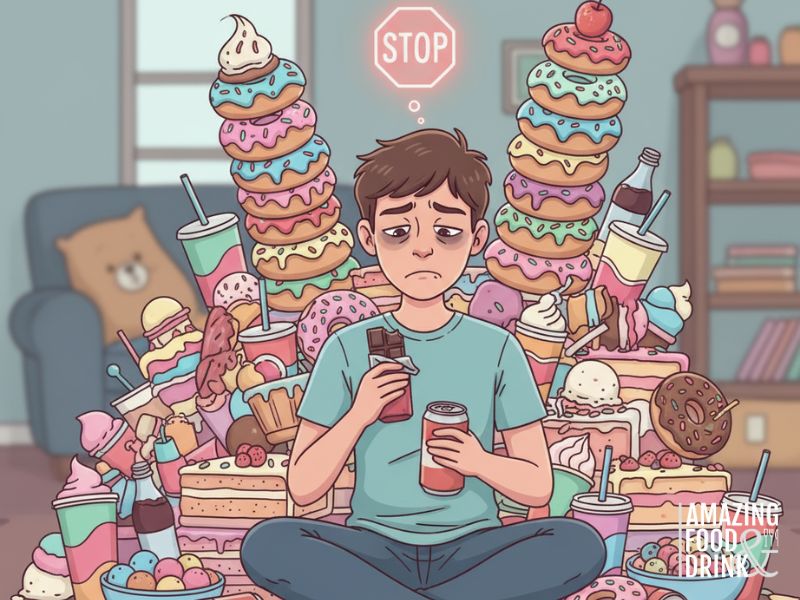
Recognising the signs of sugar addiction is essential for taking control of your health. Many people consume excessive amounts of sugar without realising they’ve developed a dependency that requires attention.
Common Sugar Addiction Symptoms
If you’re wondering “is sugar addictive?” and whether you’re affected, watch for these telltale signs that indicate you may need to address your sugar intake.
Intense and frequent cravings: If you find yourself thinking about sugary foods throughout the day or feeling an overwhelming urge to eat sweets, this could indicate sugar addiction. These cravings often feel more powerful than simple hunger.
Eating sugar when not hungry: Do you reach for biscuits, chocolate, or fizzy drinks even when you’ve just eaten a full meal? This behaviour suggests you’re seeking sugar for its dopamine-releasing effects rather than for nutritional needs.
Feeling irritable without sugar: Mood swings, irritability, headaches, or fatigue when you haven’t had sugar recently are classic withdrawal symptoms that indicate physical dependency.
Failed attempts to cut back: If you’ve repeatedly tried to reduce your sugar intake but found yourself returning to old habits within days or weeks, this pattern mirrors other addictive behaviours and suggests a genuine sugar addiction.
Consuming more than intended: You meant to have just one biscuit, but ended up eating half the packet. This loss of control over portion sizes is a significant warning sign of sugar addiction.
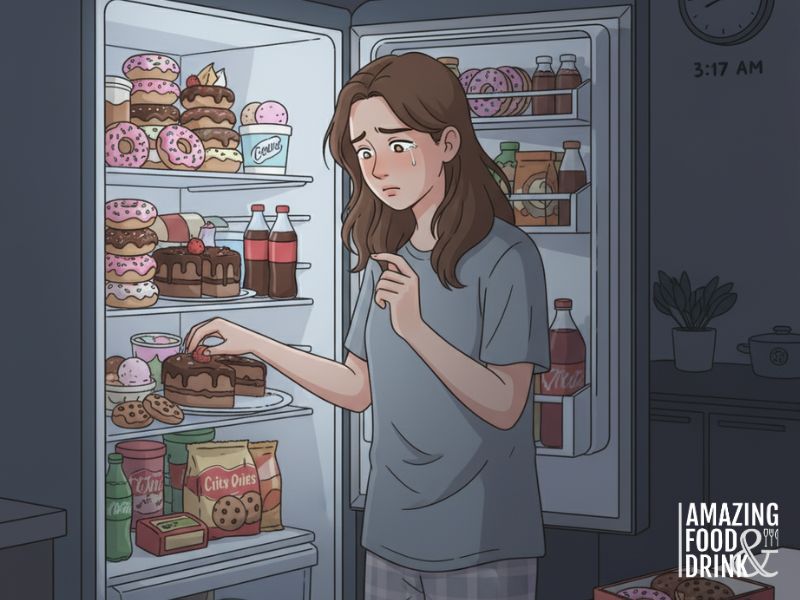
Using sugar for emotional comfort: Turning to sugary foods when stressed, sad, or anxious indicates you’re using sugar to manage emotions rather than for enjoyment or nutrition, a key indicator of addiction.
Hiding sugar consumption: If you find yourself eating sweets secretly or feeling ashamed about how much sugar you consume, this suggests awareness that your relationship with sugar has become problematic.
Physical Indicators
Beyond behavioural signs, physical symptoms can also indicate sugar addiction and the need to address your daily sugar intake. These include energy crashes after eating sugar, difficulty concentrating without regular sugar intake, and experiencing sugar withdrawal symptoms like headaches and fatigue when you try to cut back.
Recommended Daily Sugar Intake
Understanding your recommended daily sugar intake is crucial for maintaining optimal health and preventing sugar addiction from developing or worsening. These guidelines provide a framework for healthier eating habits.
How Many Grammes of Sugar Should You Eat Per Day?
Because every person is different, there’s no single answer to the question of daily sugar intake, but established guidelines can help you make informed decisions. A small child requires far less sugar than an adult who regularly runs marathons.
Minimum requirements: The Recommended Dietary Allowance (RDA) for carbohydrates is 130 grams per day. However, this target is for total carbohydrates (starch, fibre, and sugar) and is based on the needs of the brain and central nervous system. It’s essential to note that the vast majority of people in developed nations meet this requirement with minimal effort, as carbohydrates are abundant in most foods.
NHS and WHO Guidelines on Sugar Consumption
Understanding official guidelines on daily sugar intake helps you set realistic targets when learning how to break sugar addiction and establish healthier eating patterns.
World Health Organisation (WHO) recommendations: According to the WHO, a person’s diet should consist of no more than 10% sugar, with an ideal target of 5% or less. To put that another way, someone consuming 2,000 calories a day should eat no more than 50 grammes of sugar daily—that’s approximately 12 teaspoons. For optimal health, the WHO recommends reducing this to 25 grams (6 teaspoons) of added sugar per day.
NHS guidance: The NHS recommends that adults should have no more than 30 grammes of free sugars per day (approximately 7 sugar cubes). For children aged 7 to 10, the limit is 24 grammes (6 sugar cubes), and for children aged 4 to 6, it’s 19 grammes (5 sugar cubes).
The National Academy of Sciences’ Dietary Reference Intake states that the typical diet should obtain no more than 25% of its calories from sugar. That’s about 125 grammes or 32 teaspoons for someone on a 2,000-calorie diet, though this is considered a maximum rather than a target.
Understanding Added vs. Natural Sugars
When considering your daily sugar intake and addressing sugar addiction, it’s crucial to distinguish between added and naturally occurring sugars in your diet.
It’s crucial to note that all these numbers include both added and naturally occurring sugars. Most people assume that these figures only refer to added sugar, such as what’s found in fizzy drinks and sweets. However, naturally occurring sugars are found in fruits, vegetables, and grains.
For this reason, many nutritionists suggest that a typical person should aim to have zero added sugars in their diet. This means that the only sugars consumed would be those naturally present in whole foods, such as fruits and vegetables.
Needless to say, very few people actually manage to accomplish this. Even if you successfully eliminate all so-called “junk” food from your diet, there are hidden added sugars in everything from tomato sauce to salad dressing, bread to yoghurt. To truly accomplish this feat, some people choose to cook everything from scratch. For the typical person, however, this is incredibly time-consuming. Therefore, most people who want to break sugar addiction try to limit their intake as much as possible, whilst being realistic about modern life.
Health Risks of Consuming Too Much Sugar

Because sugar is present in so many foods, countless people find themselves consuming more of this substance than what’s considered healthy. Understanding these risks reinforces why addressing sugar addiction is so important for your long-term wellbeing.
Weight Gain and Obesity
Excessive sugar consumption and sugar addiction directly contribute to weight gain and obesity, creating a cascade of health problems that extend far beyond appearance.
An increased sugar intake often accompanies an increased calorie intake. That’s because sugar often replaces ingredients such as vegetables or whole grains in recipes, making them more calorie-dense. This substitution also makes these foods less filling, causing people to eat more of them. Finally, the addition of sugar can trigger the symptoms of sugar addiction, causing a person to crave more sugary foods.
The most obvious consequence of increased caloric intake is weight gain, which can lead to obesity. According to recent NHS statistics, obesity rates in the UK have been steadily climbing, with excess sugar consumption identified as a major contributing factor. People who suffer from obesity have been shown to have higher rates of heart disease, heart attacks, high blood pressure, stroke, and certain cancers. Carrying extra weight can also make exercise much more difficult and, in some extreme cases, potentially harmful. This creates a vicious cycle that makes it very difficult for people to lose weight and maintain healthy habits.
Diabetes and Pancreas Damage
Beyond weight issues, sugar addiction can cause serious damage to your internal organs, particularly your pancreas, leading to life-altering conditions like Type 2 diabetes.
Besides weight gain, large amounts of sugar can have a very detrimental effect on other bodily organs. Most notably, excessive sugar consumption can cause serious damage to the pancreas, affecting its ability to produce insulin. Insulin is the hormone responsible for regulating blood sugar levels and facilitating the entry of glucose into cells for energy.
When you regularly consume high amounts of sugar, your pancreas must work overtime to produce enough insulin to process it all. Over time, your cells can become resistant to insulin, requiring even more of it to achieve the same effect. This condition, known as insulin resistance, is a precursor to Type 2 diabetes.
If the pancreas cannot produce sufficient insulin or if your cells become too resistant to it, your body will not be able to break down and process sugar effectively. This can lead to the development of Type 2 diabetes. This serious chronic condition requires lifelong management and can lead to complications, including nerve damage, kidney disease, vision problems, and cardiovascular disease.
Other Health Consequences
The health risks of sugar addiction extend beyond weight and diabetes, affecting virtually every system in your body, from your teeth to your mental health.
Dental decay: Sugar is the primary food source for harmful bacteria in your mouth, leading to tooth decay and gum disease.
Fatty liver disease: Excessive sugar consumption, particularly fructose, can lead to non-alcoholic fatty liver disease, where fat accumulates in the liver.
Inflammation: High sugar intake promotes chronic inflammation throughout the body, which is associated with numerous diseases, including arthritis, heart disease, and certain types of cancer.
Skin problems: Excessive sugar consumption can accelerate skin ageing through a process called glycation and may exacerbate conditions like acne.
Mental health impacts: Research suggests links between high sugar consumption and increased rates of depression and anxiety.
The problem with sugar consumption is that as you consume more sugar, your brain chemistry changes so that you continue to want foods with higher amounts of sugar. For this reason, learning how to break sugar addiction is much harder than simply deciding to eat better food; it requires strategic intervention and often significant lifestyle changes.
7 Proven Ways to Break Sugar Addiction
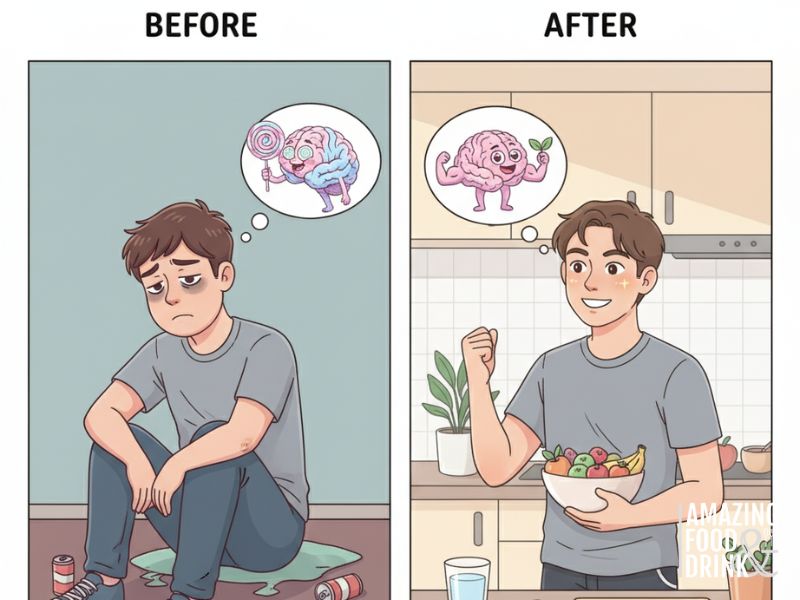
Because consuming sugar actually alters brain chemistry, breaking a sugar addiction is more challenging than most people assume. However, these seven proven methods can help you successfully overcome sugar cravings and reclaim your health.
1. The Sugar Detox Method
A sugar detox is one of the most intensive approaches to breaking sugar addiction, designed to reset your body’s relationship with sugar quickly and dramatically.
The sugar detox method requires you to temporarily eliminate all added sugars and significantly restrict natural sugars (including fruit and many grains) for a short period (typically 3–7 days) to “cleanse” your body of this substance and reset your taste buds.
How it works: These detox programmes can be very extreme, since they require you to avoid added sugars completely whilst significantly restricting natural sugars temporarily. That means no fruit, few vegetables, no bread, very little dairy, and absolutely no junk food. Essentially, you’ll eat prescribed vegetables (primarily leafy greens and cruciferous vegetables like broccoli and cauliflower) and lean proteins until your system adjusts. After this initial period, natural sugars, such as those found in fruits and whole-grain bread, can be gradually reintroduced into your diet.
Expected effects: This extreme approach is typically not recommended for everyone because it can have immediate physical effects. Many people who’ve tried it report experiencing so-called sugar withdrawal symptoms. This usually takes the form of headaches, fatigue, irritability, brain fog, and mood swings that last for several days. It’s not recommended for people who have other health issues, are pregnant, or have a history of disordered eating.
Benefits: People who’ve completed the programme report that after reintroducing natural sugars into their diet, these symptoms disappear, and they feel much healthier. Many find that their taste buds have been “reset,” and foods they previously didn’t find sweet enough now taste perfectly satisfying. Cravings for processed sweets often diminish significantly.
2. Gradual Reduction Approach
For those wondering how to break sugar addiction without extreme measures, the gradual reduction method offers a more sustainable and gentler approach to overcoming sugar dependence.
An alternative to the detox method is to gradually reduce the amount of refined sugar you consume over several weeks or months.
How it works: This plan allows you to keep eating fruit, small amounts of dairy products, and some whole grains whilst slowly eliminating added sugars from your diet. Start by cutting out the most obvious sources of fizzy drinks, sweets, and biscuits, then progress to identifying and eliminating hidden sugars in condiments, sauces, and processed foods.
Advantages: While this plan doesn’t have the immediate, dramatic effects of a sugar detox, it’s more sustainable for most people and easier to maintain in the long term. You’re less likely to experience severe withdrawal symptoms, and the gradual approach allows your taste buds to adapt more naturally.
Considerations: Many people report that they still feel cravings for sugar after eating this way for several weeks, though these cravings typically become less intense over time. The key is persistence and consistency.
3. Replace Rather Than Restrict
One of the most effective strategies for breaking sugar addiction is to replace sugary foods with healthier alternatives rather than simply restricting yourself, which can lead to feelings of deprivation.
Smart swaps: When cravings strike, reach for fresh fruit instead of sweets, Greek yoghurt with berries instead of ice cream, or dark chocolate (70% cocoa or higher) instead of milk chocolate. Keep healthy snacks readily available so you’re not tempted by convenience.
Satisfying alternatives: Experiment with natural sweeteners like stevia, monk fruit, or small amounts of honey when you’re cooking or baking. These can help satisfy your sweet tooth whilst reducing your overall sugar intake and supporting your efforts to break sugar addiction.
4. Identify and Avoid Triggers
Understanding what triggers your sugar cravings is essential for managing sugar addiction effectively and developing long-term strategies to maintain your progress.
Common triggers include:
- Emotional Stress: Stress or anxiety
- Fatigue or poor sleep
- Boredom
- Social situations
- Specific times of day
- Certain locations (like your workplace break room)
Strategy: Keep a food diary for at least a week, noting not just what you eat but when, where, and how you’re feeling. Patterns will emerge that help you identify your specific triggers. Once you know your triggers, you can develop strategies to avoid or manage them, making it easier to break sugar addiction.
5. Ensure Adequate Protein and Healthy Fats
Blood sugar fluctuations are a major driver of sugar cravings and sugar addiction, making balanced nutrition crucial for managing your daily sugar intake and reducing dependency.
How it helps: Protein and healthy fats slow down the absorption of sugar into your bloodstream, preventing the dramatic spikes and crashes that trigger cravings. They also keep you feeling full and satisfied for longer periods.
Practical application: Include protein with every meal and snack. Good sources include eggs, fish, chicken, Greek yoghurt, nuts, and legumes. Incorporate healthy fats from sources like avocados, olive oil, nuts, seeds, and oily fish. Aim for balanced meals that include protein, healthy fats, complex carbohydrates, and fibre to help stabilise blood sugar and reduce symptoms of sugar addiction.
6. Stay Properly Hydrated
Dehydration can often be mistaken for hunger or sugar cravings, making proper hydration an unexpected but powerful tool in learning how to break sugar addiction.
The connection: Proper hydration supports all bodily functions, including metabolism and appetite regulation. Sometimes what feels like a sugar craving is actually your body’s way of signalling it needs water.
Implementation: Aim for at least 2 litres of water daily, more if you’re active or in hot weather. When a craving strikes, drink a large glass of water first and wait 10-15 minutes. Often, the craving will pass. Herbal teas can also help satisfy the desire for flavour without adding sugar or triggering sugar addiction symptoms.
7. Get Adequate Sleep and Manage stress
Poor sleep and chronic stress are two of the biggest contributors to sugar cravings and sugar addiction, yet they’re often overlooked when addressing sugar consumption.
The science: When you’re sleep-deprived, your body produces more ghrelin (the hunger hormone) and less leptin (the satiety hormone), leading to increased appetite and particularly strong cravings for sugary, high-carbohydrate foods. Stress triggers the release of cortisol, which also increases sugar cravings as your body seeks quick energy.
Solutions: Prioritise getting 7-9 hours of quality sleep each night. Establish a consistent sleep schedule, create a relaxing bedtime routine, and avoid screens for at least an hour before bed. For stress management, consider meditation, yoga, deep breathing exercises, regular physical activity, or spending time in nature. Find what works for you and make it a non-negotiable part of your routine as you work to break sugar addiction.
Sugar addiction is a serious problem affecting millions of people, but with understanding and commitment, you can break free and improve your health. Whether you choose an intensive sugar detox method or prefer gradual reduction, the key is consistency and recognising that setbacks are normal. By implementing these seven proven strategies, monitoring your daily sugar intake, and understanding how sugar affects your brain, you can overcome cravings and reduce your risk of obesity, diabetes, and other serious health conditions. Take control of your sugar consumption today; your future self will thank you.
FAQs
1. Is sugar addictive like drugs?
Sugar activates similar reward pathways in the brain as some drugs, triggering dopamine release and leading to intense cravings and dependency. However, unlike drug addiction, sugar dependency is not classified as a substance use disorder (like cocaine or alcohol addiction) in major medical manuals such as the DSM-5. Whilst sugar can create compulsive eating behaviours characteristic of food addiction, it doesn’t carry the same severe physical dependence or life-threatening withdrawal symptoms as substance addictions.
2. How long does it take to break sugar addiction?
Breaking sugar addiction typically takes 3-7 days for physical withdrawal symptoms to subside, with the worst occurring in the first 2-3 days. Psychological cravings usually decrease significantly after 2-3 weeks, and most people experience full recovery from sugar addiction within 4-6 weeks of avoiding added sugars.
3. What are sugar withdrawal symptoms?
Sugar withdrawal symptoms include headaches, fatigue, irritability, difficulty concentrating, anxiety, muscle aches, sleep disturbances, and intense sugar cravings. These symptoms, when breaking sugar addiction, are temporary and typically resolve within one week, indicating your body is adjusting to functioning without excess sugar.
4. How much sugar per day is too much?
According to WHO and NHS guidelines, adults should consume no more than 30-50 grammes of added sugar per day (approximately 6-12 teaspoons). This represents your recommended daily sugar intake for optimal health. However, many nutritionists suggest aiming for zero added sugars to prevent sugar addiction and related health problems.
5. Can I eat fruit if I’m trying to break sugar addiction?
Yes, you can eat fruit when breaking sugar addiction, except during an initial strict sugar detox (3-7 days), where natural sugars are significantly restricted. Fruit contains natural sugars along with fibre, vitamins, and minerals that slow sugar absorption and provide nutritional value. Focus on whole fruits rather than juices, and consider lower-sugar options, such as berries, initially to manage your daily sugar intake.