5 Foods to Never Eat for a Flat Stomach (Backed by Nutritionists)
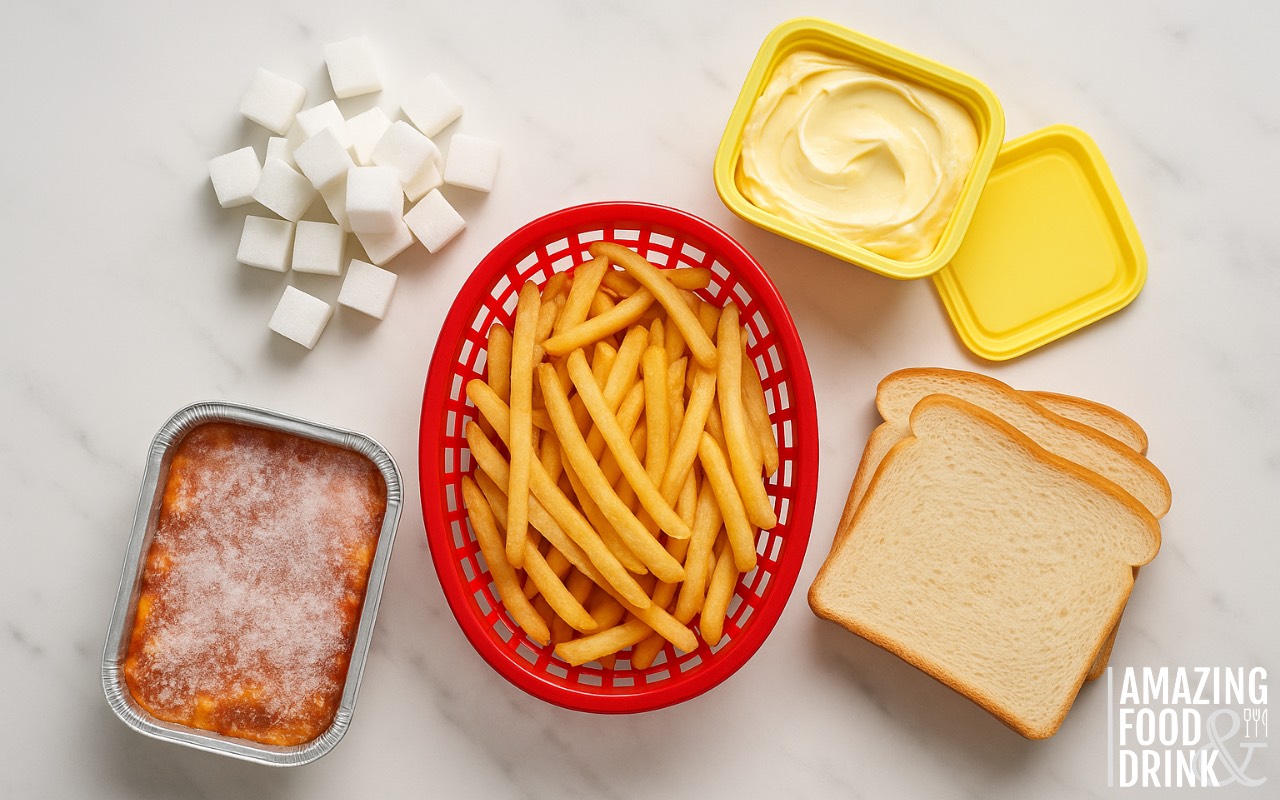
Looking to achieve a flat stomach? Whilst exercise matters, what you eat plays an even bigger role. As nutritionists consistently warn, certain foods actively work against your goals by causing bloating, increasing fat storage around your midsection, and slowing your metabolism.
In this evidence-based guide, we’ll reveal the 5 worst offenders that prevent you from achieving a flat stomach and provide you with practical, healthy alternatives that actually taste delicious. Whether you’re dealing with stubborn belly fat or simply want to reduce bloating, understanding these foods to avoid for weight loss is your first step towards success.
Table of Contents
Why Certain Foods Prevent a Flat Stomach
Before we explore the specific 5 foods to never eat, it’s essential to understand why certain foods prevent you from achieving your flat stomach goals.
Your abdominal region is particularly susceptible to fat storage due to several factors. When you consume foods high in trans fats, refined carbohydrates, or excessive sodium, your body responds by:
- Storing excess fat around your midsection – Fat cells in your abdominal area are metabolically active and readily store energy from poor food choices
- Causing water retention and bloating – High-sodium foods can cause you to retain several pounds of water weight, obscuring your abdominal muscles
- Spiking blood sugar levels – Refined carbohydrates cause rapid blood sugar spikes followed by crashes, triggering fat storage and hunger
- Slowing your metabolism – Processed foods lack the nutrients needed to maintain an efficient metabolism
Research indicates that individuals who regularly consume fried foods and added sugars can experience up to 30% more belly fat accumulation compared to those following a whole-foods diet. The good news? By eliminating these foods that cause bloating and focusing on nutritionist-approved alternatives, you can start seeing results within weeks.
Important Note: Diet alone isn’t sufficient to transform your body. You must combine your eating plan with cardiovascular exercise (walking, jogging, cycling, or swimming for 20-30 minutes daily) and strength training exercises (2-3 times weekly) to effectively burn the fat layer surrounding your abdominal muscles whilst building metabolism-boosting muscle tissue.
The 5 Worst Foods for Your Waistline
Now that you understand the science behind belly fat accumulation, let’s examine the specific foods that sabotage your flat stomach goals. Here are the 5 foods to never eat, ranked by their impact on your waistline and overall health.
1. Fried Foods (Chips, Fried Chicken, and Deep-Fried Items)
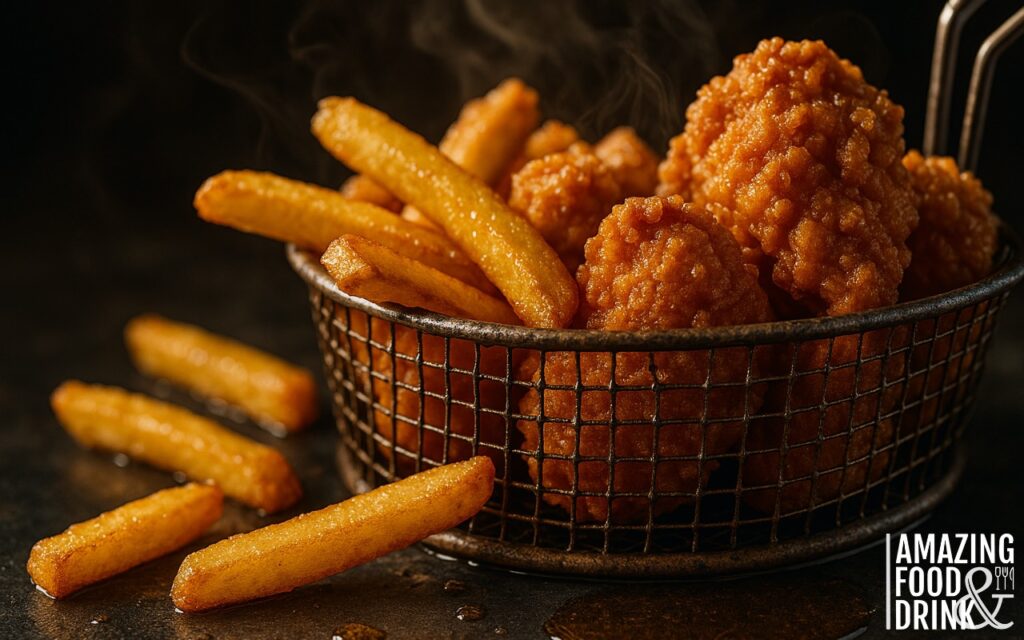
Topping our list of the 5 foods to never eat for a flat stomach are fried foods. Whether it’s chips, fried chicken, battered fish, or doughnuts, anything deep-fried poses a significant threat to your weight loss journey.
Why They’re Harmful:
Fried foods contain 2-3 times more calories than their baked or grilled counterparts. A single serving of restaurant chips can pack over 300 calories and 15 grams of fat. Your body finds it remarkably easy to store this excess fat directly around your midsection, and it takes considerably longer to burn away than other macronutrients.
The cooking process itself creates additional problems. When foods are submerged in hot oil, they absorb significant amounts of fat whilst losing water content, creating a calorie-dense food that doesn’t satisfy your hunger effectively. This leads to overconsumption and rapid weight gain, particularly around the belly area.
Studies show that individuals who consume fried foods more than four times weekly have a 37% higher risk of obesity and increased belly fat compared to those who limit fried food consumption.
2. Added Sugars and Artificial Sweeteners
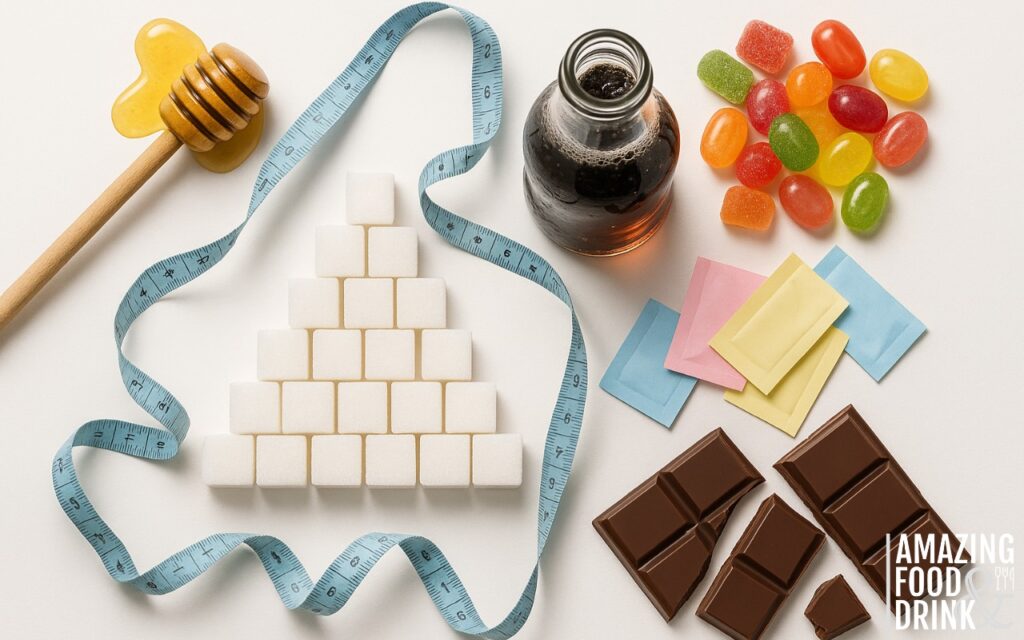
Nutritionists universally agree that added sugar represents one of the worst foods for belly fat. Sugar doesn’t just add empty calories—it actively promotes fat storage around your waistline and can become genuinely addictive.
Why They’re Harmful:
When you consume sugar, your blood glucose levels spike rapidly. Your body responds by releasing insulin, a hormone that signals your cells to store energy. Unfortunately, excess sugar that your body can’t immediately use gets converted into fat, with your abdominal region being a prime storage location.
The average Briton consumes approximately 60 grammes of added sugar daily—double the recommended limit of 30 grammes. This excessive intake expands your waistline whilst creating a vicious cycle: the more sugar you eat, the more your body craves it.
The Artificial Sweetener Trap:
Many people turn to artificial sweeteners, thinking they’re a healthy alternative. However, research suggests these substitutes can actually increase your cravings for sweet foods, leading to higher overall calorie consumption. Additionally, some studies indicate artificial sweeteners may disrupt your gut bacteria, potentially affecting metabolism and weight management.
Common sources of hidden sugars include:
- Flavoured yoghurts (up to 20g per serving)
- Breakfast cereals (some contain more sugar per serving than biscuits)
- “Healthy” granola bars (often 12-15g sugar each)
- Pasta sauces (4-8g per serving)
- Condiments like ketchup and BBQ sauce
3. Processed Frozen Meals
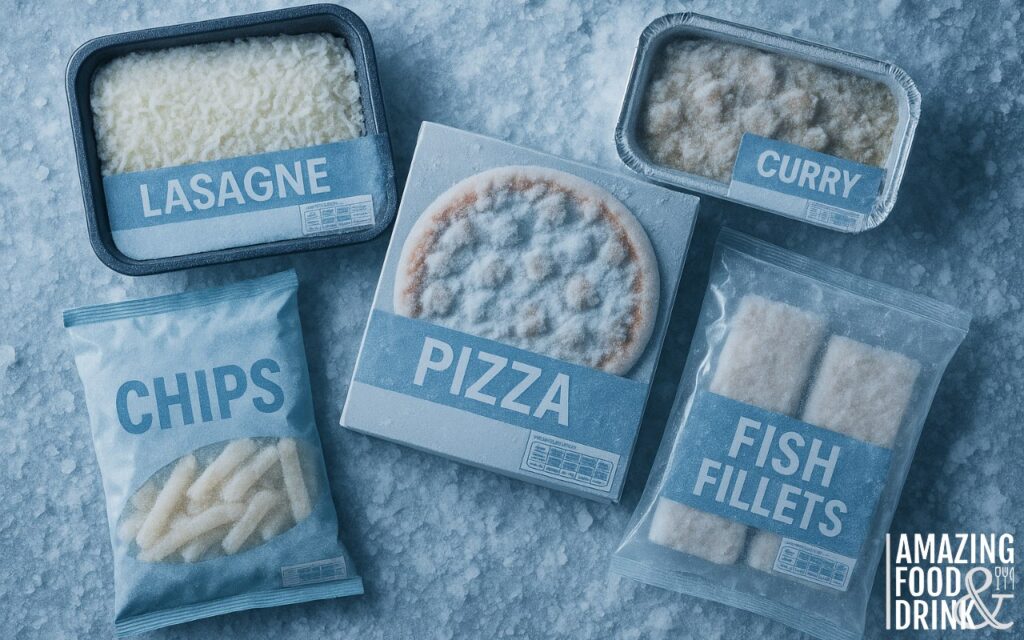
The third entry on our list of foods to avoid for weight loss is processed frozen meals. Whilst frozen vegetables and fruits are excellent budget-friendly options, pre-made frozen dinners are nutritional disasters waiting to happen.
Why They’re Harmful:
Processed frozen meals are loaded with three belly-bloating culprits: excessive fat, preservatives, and astronomical amounts of sodium. That’s precisely why they taste so appealing—manufacturers know that fat, salt, and chemical flavour enhancers create addictive taste profiles.
The average frozen ready meal contains between 800-1,200 milligrams of sodium—that’s 50-60% of your entire recommended daily intake in a single meal. This excessive sodium causes your body to retain water, leading to immediate bloating that can add several pounds to the scales and completely obscure your abdominal definition.
Research from nutrition experts indicates that individuals who regularly consume frozen convenience meals are 27% more likely to have excess belly fat compared to those who prepare fresh meals at home.
Common frozen foods to eliminate:
- Ready meals (lasagne, curry, pasta bakes)
- Frozen pizzas
- Pre-breaded frozen meats and fish
- Microwave burgers and sandwiches
- Frozen chips and potato products
4. White Bread and Refined Grains
Despite being inexpensive and convenient, white bread and other refined grain products represent another critical addition to the 5 foods to never eat list.
Why They’re Harmful:
White bread has been stripped of its nutritious components—the bran and germ—leaving only the starchy endosperm. Your body converts this refined flour into sugar remarkably quickly, resulting in a glycaemic index rating of 75 (classified as high). For context, pure glucose has a glycaemic index of 100.
This rapid conversion means white bread:
- Spikes your blood sugar levels within minutes
- Triggers insulin release and fat storage
- Provides quick energy but crashes shortly after
- Offers minimal nutritional value (empty calories)
- Fails to keep you satisfied, leading to overeating
Studies demonstrate that individuals who replace refined grains with whole grains lose more belly fat over a 12-week period, even when consuming the same number of calories overall.
Refined grain products to avoid:
- White bread and rolls
- White pasta
- White rice
- Most crackers and biscuits
- Traditional breakfast cereals
- Pastries and croissants
- Standard pizza dough
5. Margarine and Trans Fats
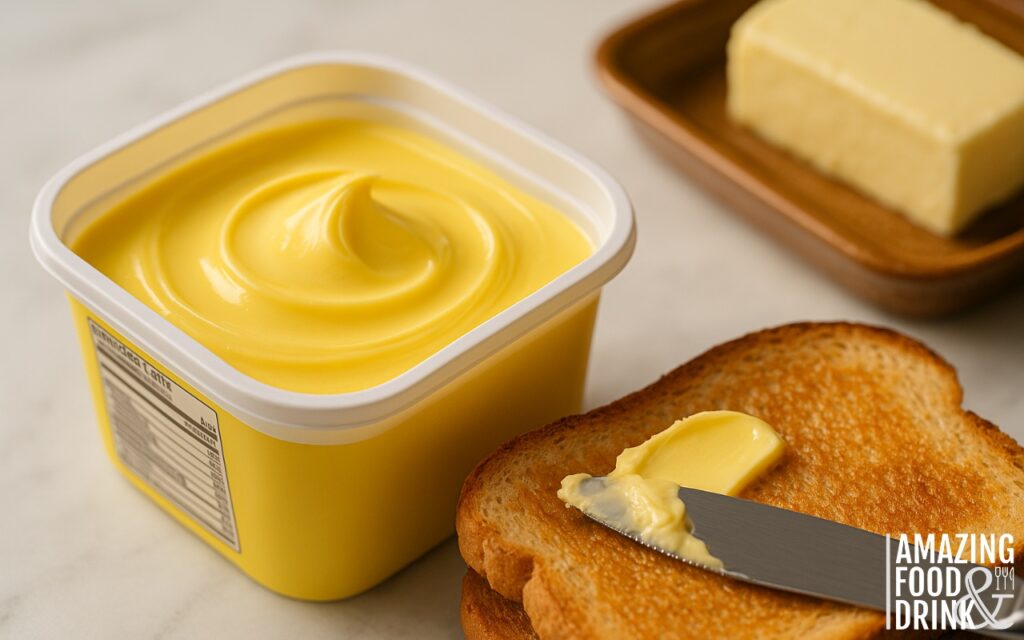
Completing our list of the 5 foods to never eat for a flat stomach is margarine—a product many people mistakenly believe is a healthy alternative to butter.
Why It’s Harmful:
Margarine contains high amounts of trans fats, which nutritionists consider among the most dangerous fats for human health. Trans fats don’t just contribute to weight gain—they specifically promote fat accumulation around your abdomen.
Research shows that trans fats can increase belly fat by up to 30% compared to other fats, even when calorie intake remains constant. Your body struggles significantly to metabolise and eliminate trans fats, meaning they linger in your system and contribute to long-term weight gain.
Beyond weight concerns, trans fats:
- Raise LDL (bad) cholesterol levels
- Lower HDL (good) cholesterol levels
- Increase inflammation throughout your body
- Elevate your risk of heart disease
- May interfere with insulin function
The Marketing Deception:
Food manufacturers have expertly marketed margarine as a “heart-healthy” and “low-calorie” butter substitute. This clever positioning has convinced millions to choose margarine, believing they’re making a healthier choice. The reality is quite different—you’re consuming a highly processed product with man-made ingredients that your body wasn’t designed to handle.
Other sources of trans fats to avoid:
- Many commercially baked goods (biscuits, cakes, pies)
- Microwave popcorn
- Some cooking oils and vegetable shortenings
- Non-dairy creamers
- Certain snack foods and crisps
Healthy Alternatives to These 5 Foods
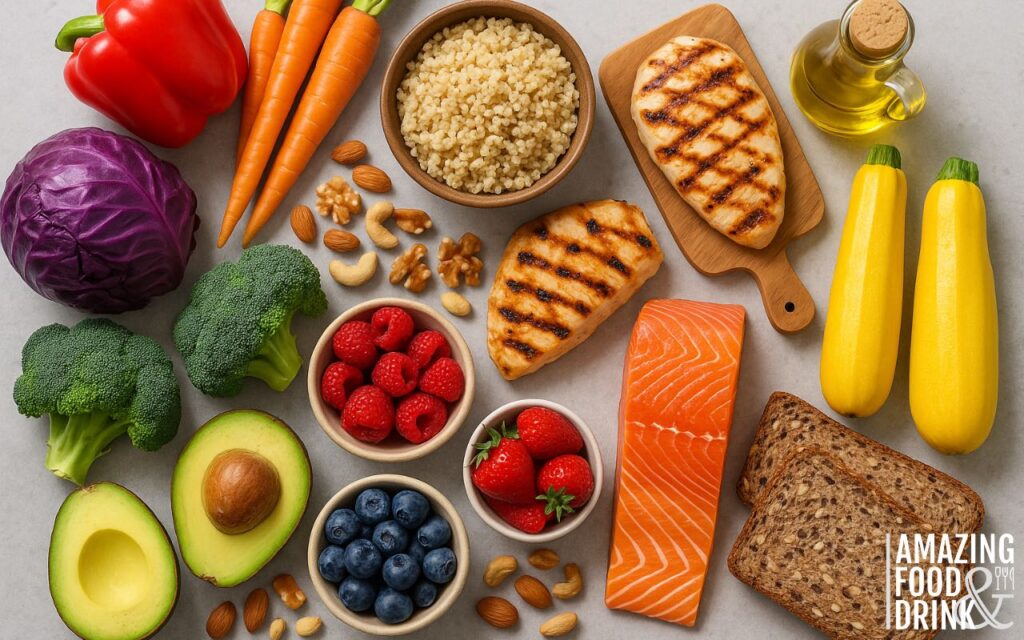
Understanding what not to eat is only half the battle. The key to sustainable success lies in replacing these foods that cause bloating with nutritious, satisfying alternatives that support your flat stomach goals.
Quick-Reference Swap Table
| Food to Avoid | Why It’s Harmful | Better Alternative | Key Benefit |
| Fried chips | 300+ calories per serving, high fat content | Oven-baked potato wedges with herbs | 50% fewer calories, maintains crispiness |
| Added sugar | Spikes blood sugar, promotes fat storage | Fresh berries, dates, or small amount of honey | Natural sweetness with fibre and nutrients |
| Frozen ready meals | 800-1,200mg sodium causes bloating | Home-prepared batch-cooked meals | Control ingredients, reduce sodium by 70% |
| White bread | High glycaemic index (75), empty calories | Sprouted grain or seeded wholemeal bread | Lower GI (45), 4x more fibre, sustained energy |
| Margarine | Trans fats increase belly fat by 30% | Real butter (sparingly) or extra virgin olive oil | Natural fats your body can process, heart-healthy |
Instead of Fried Foods, Choose:
- Oven-Baked Options: Achieve that satisfying crispiness without the excess oil. Coat potato wedges, chicken pieces, or fish fillets with a light spray of olive oil and your favourite herbs, then bake at 200°C until golden.
- Air-Fried Foods: If you have an air fryer, use it! These appliances create crispy textures using up to 80% less oil than traditional deep frying.
- Grilled Proteins: Grilling adds wonderful flavour whilst allowing excess fat to drip away. Perfect for chicken, fish, vegetables, and even fruit.
Instead of Sugar, Choose:
- Fresh Fruits: Nature’s sweets come packaged with fibre, which slows sugar absorption and keeps you satisfied. Berries, in particular, are low in sugar whilst providing powerful antioxidants.
- Natural Dates: When you need concentrated sweetness, dates offer minerals, fibre, and a caramel-like flavour perfect for satisfying cravings.
- Small Amounts of Honey or Maple Syrup: While still sugar, these natural alternatives offer trace minerals and antioxidants. Use sparingly—a teaspoon goes a long way.
Instead of Frozen Meals, Choose:
- Sunday Meal Prep: Dedicate 2-3 hours on Sunday to prepare the week’s meals. Cook large batches of soup, chilli, curry, or casseroles, then portion into containers for easy weeknight dinners.
- Homemade Freezer Meals: Create your own “frozen dinners” by preparing double batches of healthy recipes. Freeze in individual portions for convenience without the sodium, preservatives, and excess fat.
- Quick Fresh Meals: Keep simple ingredients on hand for 15-minute dinners: tinned beans, pre-washed salad, rotisserie chicken, eggs, and tinned fish create countless quick, healthy combinations.
Instead of White Bread, Choose:
- Sprouted Grain Bread: Found in the refrigerator or freezer section, sprouted grain bread offers superior nutrition, more protein, and easier digestibility than standard wholemeal bread.
- Seeded Wholegrain Bread: Look for bread listing “whole wheat flour” or “wholemeal flour” as the first ingredient, packed with seeds for added nutrition and satisfying crunch.
- Lettuce Wraps: For an ultra-low-calorie option, use large lettuce leaves (romaine or butter lettuce works brilliantly) to wrap sandwich fillings.
- Alternatives to Bread: Consider sweet potato toast, portobello mushroom “buns,” or cloud bread made from eggs for creative, nutrient-dense options.
Instead of Margarine, Choose:
- Real Butter (in Moderation): Contrary to decades of marketing, butter is a natural food your body recognises and can process. The key is portion control—a thin spread provides flavour without excessive calories.
- Extra Virgin Olive Oil: For cooking and drizzling, olive oil offers heart-healthy monounsaturated fats that actually support weight loss and reduce inflammation.
- Avocado: Mashed avocado creates a creamy, nutritious spread packed with healthy fats, fibre, and nutrients that promote satiety.
Sample 7-Day Flat Stomach Meal Plan
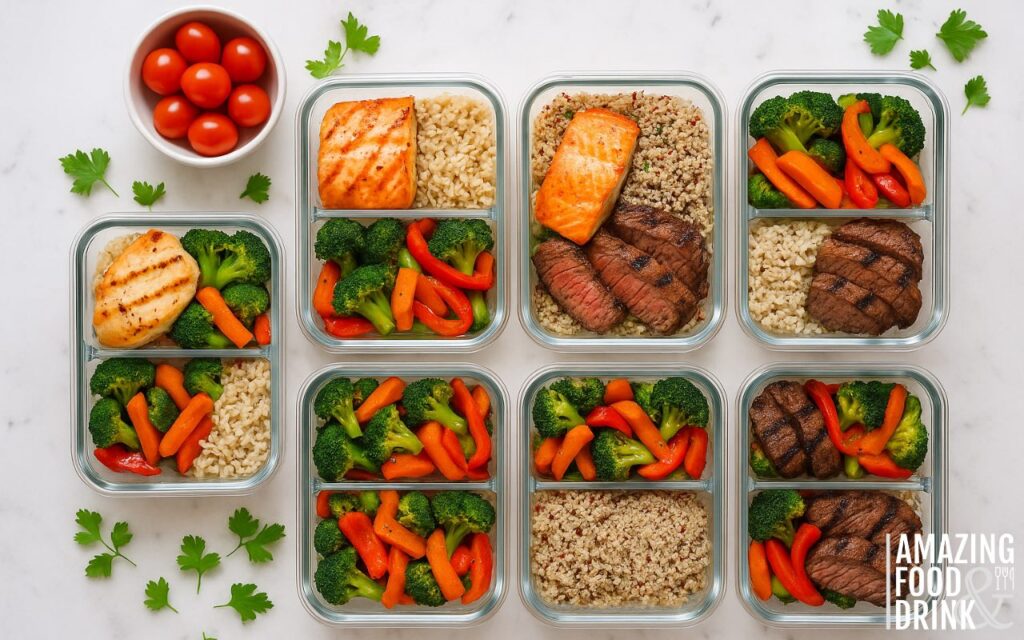
Knowing what to avoid is essential, but having a practical roadmap makes success inevitable. This nutritionist-approved 7-day meal plan eliminates all 5 foods to never eat, whilst keeping meals delicious, satisfying, and simple to prepare.
Meal Plan Principles:
- No fried foods, added sugars, frozen processed meals, white bread, or margarine
- Focuses on whole foods, lean proteins, and plenty of vegetables
- Each day provides approximately 1,500-1,800 calories (adjust portions to your needs)
- Incorporates healthy fats and complex carbohydrates for sustained energy
Day 1: Monday
- Breakfast: Scrambled eggs with spinach and tomatoes, 1 slice wholegrain toast with avocado
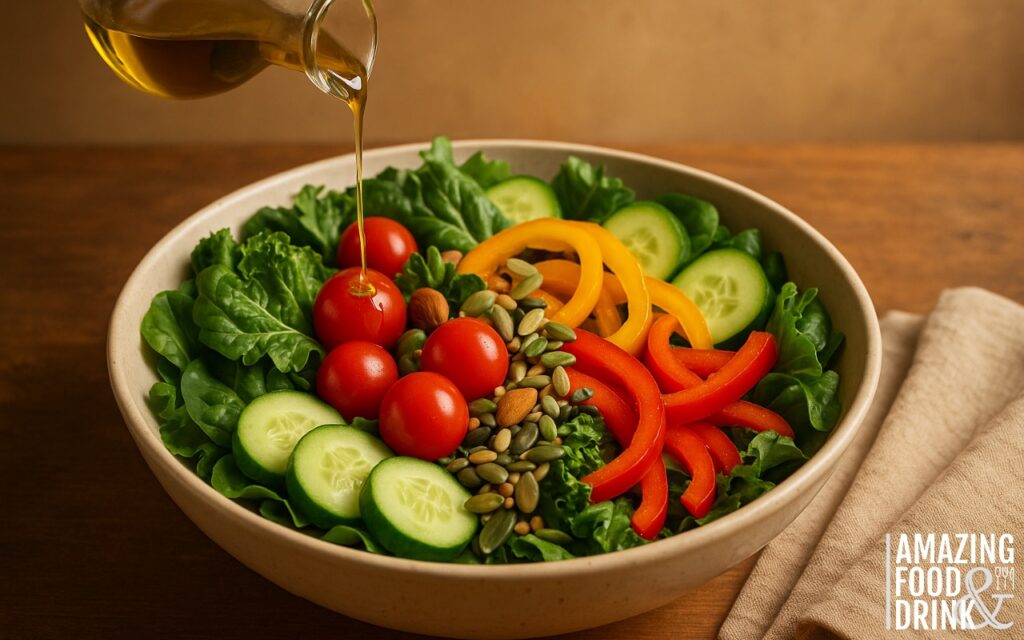
- Lunch: Grilled chicken salad with mixed greens, cucumber, peppers, olive oil dressing
- Dinner: Baked salmon with roasted broccoli and quinoa
- Snacks: Apple slices with almond butter, handful of unsalted mixed nuts
Day 2: Tuesday
- Breakfast: Greek yoghurt with fresh berries and a sprinkle of chia seeds
- Lunch: Turkey and hummus wrap in a wholemeal tortilla with shredded lettuce and carrots
- Dinner: Stir-fried prawns with mixed vegetables over brown rice
- Snacks: Carrot sticks with homemade guacamole, small orange
Day 3: Wednesday
- Breakfast: Porridge oats made with milk, topped with sliced banana and cinnamon
- Lunch: Lentil soup with a side salad and seeded crackers
- Dinner: Grilled chicken breast with sweet potato wedges and green beans
- Snacks: Celery with natural peanut butter, handful of blueberries
Day 4: Thursday
- Breakfast: Vegetable omelette with mushrooms, peppers, and onions
- Lunch: Quinoa bowl with chickpeas, roasted vegetables, and tahini dressing
- Dinner: Baked cod with asparagus and wild rice
- Snacks: Small handful of walnuts, a pear
Day 5: Friday
- Breakfast: Wholegrain toast with poached eggs and grilled tomatoes
- Lunch: Chicken and vegetable soup (homemade, low-sodium)
- Dinner: Lean beef mince with courgette noodles in tomato sauce
- Snacks: Greek yoghurt, strawberries
Day 6: Saturday
- Breakfast: Smoothie bowl with banana, spinach, protein powder, topped with seeds and berries
- Lunch: Tuna salad with mixed leaves, cucumber, cherry tomatoes, olive oil
- Dinner: Roasted chicken thighs with roasted root vegetables (carrots, parsnips, beetroot)
- Snacks: Homemade kale crisps, apple
Day 7: Sunday
- Breakfast: Wholemeal pancakes made with mashed banana and eggs, topped with berries
- Lunch: Grilled vegetable and halloumi salad with balsamic dressing
- Dinner: Slow-cooked chicken curry with cauliflower rice
- Snacks: Rice cakes with almond butter, a handful of grapes
Meal Prep Tips:
- Prepare grains (quinoa, brown rice) in large batches at the beginning of the week
- Grill or bake multiple chicken breasts at once for easy protein additions
- Chop vegetables in advance and store in airtight containers
- Keep hard-boiled eggs in the fridge for quick protein snacks
What to Expect: Your Flat Stomach Timeline
Understanding the progression helps maintain motivation throughout your journey:
Week 1-2: Reduced Bloating
- You’ll notice less abdominal bloating as sodium and processed foods leave your system
- Water retention decreases, potentially losing 2-4 pounds of water weight
- Energy levels begin stabilising as blood sugar spikes diminish
Weeks 3-4: Digestive Improvements
- Your gut health improves with increased fibre and whole foods
- Digestion becomes more regular and comfortable
- You’ll start craving healthy foods as your taste buds adapt
Weeks 5-8: Visible Changes
- Fat loss around your midsection becomes noticeable
- Combined with exercise, you’ll see improved muscle definition
- Clothes fit more comfortably around your waist
Month 3+: Sustainable Results
- Your new eating habits become automatic
- Significant reduction in belly fat with continued exercise
- Improved overall health markers (blood pressure, cholesterol, energy)
Important Reality Check: Spot reduction (losing fat from only one area) isn’t possible. When you follow this plan and avoid these 5 foods to never eat, you’ll lose fat from your entire body, with the abdominal area often showing results last. Patience and consistency are essential.
Your Flat Stomach Action Plan
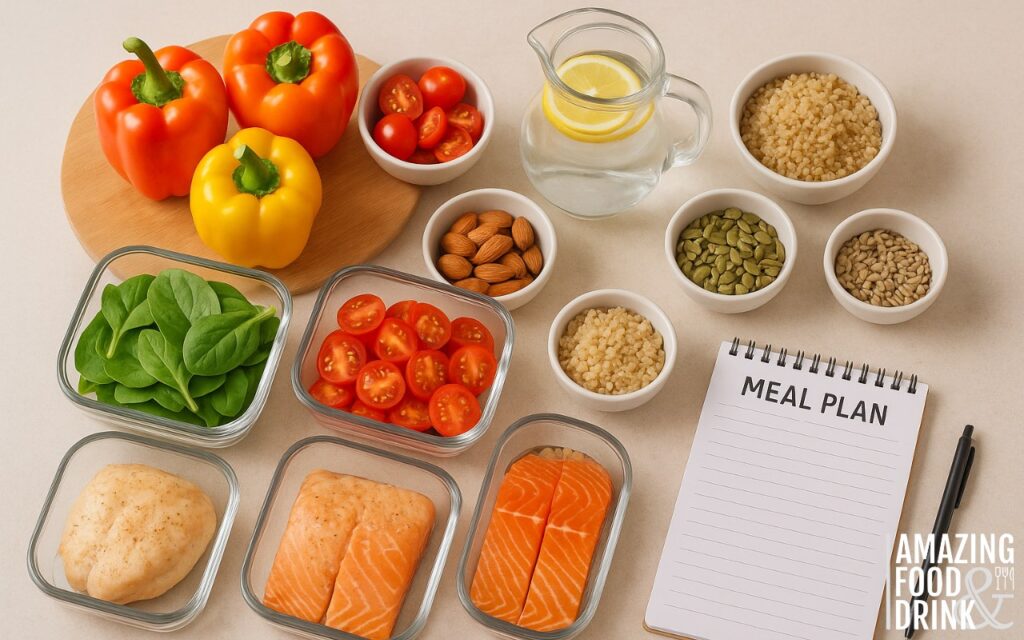
Ready to put this knowledge into action? Follow this step-by-step plan to eliminate these foods that cause bloating and start seeing results:
Week 1: Awareness and Elimination
Action Steps:
- Audit your kitchen – Remove or donate the 5 foods to never eat from your cupboards and freezer
- Read labels carefully – Check for hidden trans fats, added sugars, and sodium levels
- Plan your shopping list – Stock up on whole grains, lean proteins, fresh produce, and healthy fats
- Start a food diary – Track everything you eat to identify patterns and hidden sources of problem foods
Week 2: Building New Habits
Action Steps:
- Meal prep for success – Spend Sunday preparing healthy lunches and dinners for the week
- Find your favourite substitutes – Experiment with healthy alternatives to discover what you genuinely enjoy
- Establish an exercise routine – Begin with 20-minute daily walks, gradually increasing intensity
- Stay hydrated – Drink 2-3 litres of water daily to support fat loss and reduce bloating
Week 3-4: Consistency and Refinement
Action Steps:
- Fine-tune portions – Adjust serving sizes based on hunger levels and energy
- Add strength training – Incorporate 2-3 sessions weekly, focusing on core exercises
- Prepare for challenges – Plan strategies for dining out, social events, and busy days
- Track progress – Take measurements and photos (the scales don’t tell the complete story)
Month 2 and Beyond: Sustainable Lifestyle
Action Steps:
- Make it automatic – Continue healthy habits until they require no conscious thought
- Allow flexibility – Adopt the 90/10 rule: eat perfectly 90% of the time, allow treats 10%
- Focus on how you feel – Energy, confidence, and wellbeing matter more than numbers
- Inspire others – Share your success to stay motivated and help friends and family
The Science Behind Belly Fat and Food Choices
Understanding the biological mechanisms reinforces why avoiding these foods matters:
- Visceral Fat Accumulation: Belly fat isn’t merely subcutaneous (under the skin)—it’s also visceral fat surrounding your organs. This metabolically active tissue responds dramatically to dietary choices. Trans fats and refined carbohydrates particularly promote visceral fat storage, whilst whole foods and healthy fats encourage fat burning.
- Insulin Response: When you consume refined carbohydrates and added sugars, your pancreas releases insulin to manage blood sugar. Chronically elevated insulin promotes fat storage, particularly around the abdomen. By choosing low-glycaemic whole grains and eliminating added sugars, you maintain stable insulin levels that support fat burning rather than storage.
- Inflammation and Bloating: Processed foods, trans fats, and excessive sodium trigger inflammation and water retention. This creates the appearance of a larger stomach even if you’re relatively lean underneath. Whole, anti-inflammatory foods reduce this bloating, revealing your true physique.
- Gut Microbiome: Your gut bacteria influence everything from digestion to fat storage. Processed foods and artificial sweeteners disrupt beneficial bacteria, potentially promoting weight gain. Whole foods rich in fibre feed healthy bacteria, supporting optimal metabolism and reduced belly fat.
Beyond Diet: Complementary Strategies for a Flat Stomach

Whilst avoiding these 5 foods to never eat forms your nutritional foundation, these additional strategies accelerate results:
- Stress Management: Chronic stress elevates cortisol, a hormone that promotes belly fat storage. Incorporate stress-reduction techniques like meditation, yoga, deep breathing, or leisurely walks in nature.
- Quality Sleep: Aim for 7-9 hours nightly. Poor sleep disrupts hunger hormones (ghrelin and leptin), increases cravings for unhealthy foods, and promotes fat storage. Prioritise consistent sleep schedules and a relaxing bedtime routine.
- Proper Hydration: Drinking adequate water supports fat metabolism, reduces bloating, and helps you distinguish between hunger and thirst. Start your day with a large glass of water and sip consistently throughout the day.
- Mindful Eating: Eat slowly, chew thoroughly, and pay attention to fullness cues. Mindless eating whilst distracted by screens often leads to overconsumption, even of healthy foods.
- Posture Awareness: Good posture immediately improves your stomach’s appearance while strengthening core muscles. Stand tall, engage your abdominals gently throughout the day, and avoid slouching.
Common Mistakes That Prevent Progress
Avoid these pitfalls that sabotage even the best intentions:
- Extreme calorie restriction – Eating too little slows metabolism and is unsustainable
- Eliminating all fats – Healthy fats from avocados, nuts, and olive oil support weight loss
- Obsessing over the scales – Focus on measurements, photos, and how clothes fit
- Unrealistic expectations – Sustainable fat loss occurs at 0.5-1kg per week
- Neglecting strength training – Cardio alone won’t create a toned, flat stomach
- Weekend diet breaks – Consistency throughout the week yields results
- Comparing to others – Your body responds uniquely; focus on your journey
When to Seek Professional Guidance
Consider consulting healthcare professionals if:
- You’re not seeing any progress after 8-12 weeks of consistent effort
- You have underlying health conditions (diabetes, thyroid issues, hormonal imbalances)
- You find yourself obsessing about food or restricting excessively
- You experience digestive issues when eating the recommended foods
- You need support for disordered eating patterns
Your GP can assess whether medical factors might be hindering progress, whilst a registered dietitian can create a personalised plan addressing your unique circumstances.
The Bottom Line: Your Path to a Flat Stomach
Achieving a flat stomach isn’t about perfection—it’s about consistently making better choices and understanding which foods work against your goals. By eliminating these 5 foods to never eat (fried foods, added sugars, processed frozen meals, white bread, and margarine), you remove the primary obstacles preventing you from revealing the toned midsection you’re working toward.
The worst foods for belly fat are now clear. The healthy alternatives are accessible and delicious. Your action plan is ready. The only remaining ingredient is your commitment to implementing these strategies consistently.
Your flat stomach journey begins with your very next meal. Choose whole grains over white bread. Select baked over fried. Reach for fresh fruit instead of added sugar. These seemingly small decisions accumulate into the transformation you’re seeking.
You’re not just changing what you eat—you’re changing how you live, feel, and show up in the world. That’s the real reward of eliminating these foods to avoid for weight loss and embracing a nutritionist-approved approach to eating.