What Vitamins Should I Take Based on Age & Gender?

Choosing the right vitamins can feel overwhelming with countless options lining pharmacy shelves. If you’re wondering “what vitamins should I take?”, you’re not alone. Most Britons fall short of meeting their nutritional needs through diet alone, making vitamin supplementation an important consideration for optimal health.
This comprehensive guide will help you understand which vitamins you should take daily based on your age, gender, and specific health goals. We’ll explore the science behind supplementation, recommendations from the NHS, and how to choose quality products that genuinely support your wellbeing.
Table of Contents
Should You Take Vitamins? Understanding the Basics

Before diving into specific supplements, it’s worth asking: Do you actually need vitamins? The honest answer is that it depends on your individual circumstances.
The NHS recommends that everyone should consider taking vitamin D supplements, particularly during autumn and winter months when sunshine is limited. Beyond this, whether you need additional vitamins depends on factors including your diet quality, age, health conditions, and lifestyle.
Healthy eating remains the gold standard for obtaining nutrients. However, even with the best intentions, busy lifestyles, dietary restrictions, and the reduced nutritional density of modern foods can create gaps. This is where carefully chosen supplements act as a “nutritional insurance policy” rather than a replacement for wholesome meals.
Signs you might need vitamin supplementation:
- Persistent fatigue despite adequate sleep
- Frequent infections or slow wound healing
- Brittle nails, hair loss, or skin issues
- Following a restrictive diet (vegan, vegetarian, elimination diets)
- Limited sun exposure
- Pregnancy, breastfeeding, or planning conception
- Over 65 years of age
- Digestive conditions affecting nutrient absorption
What Vitamins Should I Take Daily? The Essential List
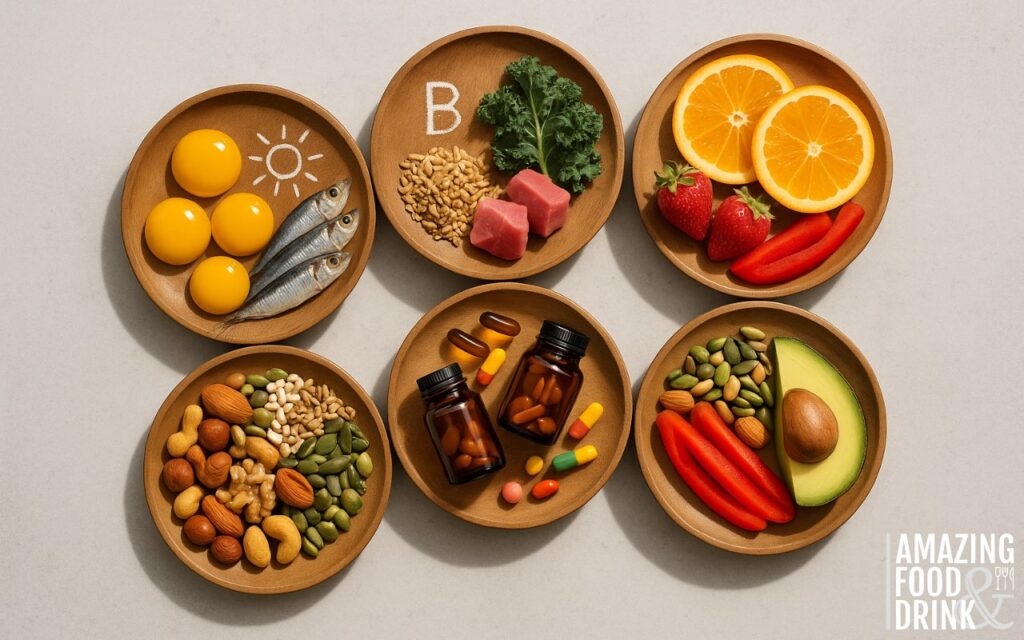
For most adults, a well-formulated multivitamin provides a solid foundation. However, understanding individual vitamins helps you make informed choices about what your body truly needs.
The Core Essential Vitamins
- Vitamin D is perhaps the most critical supplement for UK residents. With limited sunshine from October through March, our bodies cannot produce adequate vitamin D naturally. The NHS recommends 10 microgrammes (400 IU) daily for everyone. Vitamin D supports bone health, immune function, and mood regulation. Food sources include oily fish, egg yolks, and fortified cereals, but supplementation is typically necessary.
- B Vitamins form a complex group working together to convert food into energy, support red blood cell production, and maintain nervous system health. The B-complex includes thiamine (B1), riboflavin (B2), niacin (B3), pantothenic acid (B5), pyridoxine (B6), biotin (B7), folate (B9), and cobalamin (B12). Whilst omnivores generally obtain sufficient B vitamins through diet, vegetarians and vegans often require B12 supplementation as it’s primarily found in animal products.
- Vitamin C strengthens immunity, aids collagen production for healthy skin and joints, and enhances iron absorption. Adults need about 40mg daily, easily obtained through citrus fruits, berries, peppers, and leafy greens. However, smokers, those under high stress, or recovering from illness may benefit from supplementation.
- Vitamin A supports vision, immune function, and skin health. It exists in two forms: retinol from animal sources and beta-carotene from plants. Most people obtain adequate vitamin A through diet, but deficiency can occur with poor nutrition or malabsorption conditions.
- Vitamin E acts as a powerful antioxidant, protecting cells from damage. Found in nuts, seeds, and vegetable oils, deficiency is rare, but supplementation may benefit those with fat malabsorption issues.
- Vitamin K is essential for blood clotting and bone health. Your gut bacteria produce about 75% of your needs, with the remainder from leafy greens, broccoli, and Brussels sprouts. Supplementation is rarely necessary unless you have specific health conditions or take certain medications.
Essential Minerals Your Body Needs
- Iron is crucial for oxygen transport in the blood. Women of childbearing age need 14.8mg daily, whilst men and post-menopausal women need 8.7mg. Iron deficiency causes fatigue and weakened immunity. Vegetarians particularly benefit from supplementation combined with vitamin C to enhance absorption.
- Calcium builds strong bones and teeth, supports muscle function, and regulates heart rhythm. Adults need 700mg daily. Whilst dairy products are excellent sources, those avoiding dairy should consider supplements alongside calcium-rich plant foods.
- Magnesium participates in over 300 bodily processes, including energy production, muscle function, and stress response. Found in nuts, seeds, wholegrains, and leafy greens, many Britons don’t consume enough. The recommended intake is 270-300mg daily.
- Zinc supports immune function, wound healing, and protein synthesis. Men need 9.5mg and women need 7mg daily. Found in meat, shellfish, dairy, and legumes, vegetarians may need supplementation.
Best Vitamins for Women: A Life-Stage Approach
Women’s nutritional needs shift throughout their lives, making targeted supplementation particularly valuable.
Vitamins for Women in Their 20s-30s
During reproductive years, focus on:
- Folic Acid (400 micrograms daily) is crucial for all women of childbearing age, whether planning pregnancy or not. This B vitamin prevents neural tube defects in early pregnancy, often before women know they’re pregnant. The NHS recommends supplementation for all women who could become pregnant.
- Iron (14.8mg daily) compensates for monthly menstrual losses. Low iron levels cause fatigue, poor concentration, and weakened immunity. Combine iron supplements with vitamin C-rich foods for optimal absorption.
- Calcium and Vitamin D work together to build peak bone mass during your twenties and thirties, protecting against osteoporosis later in life.
Vitamins for Women Over 40
As metabolism slows and hormonal changes begin:
- Vitamin D and Calcium become increasingly important for bone health as oestrogen levels decline, increasing osteoporosis risk.
- Vitamin B12 absorption decreases with age. Women over 40 should ensure adequate intake through fortified foods or supplements (2.4 microgrammes daily).
- Omega-3 fatty acids support heart health, cognitive function, and may ease menopausal symptoms. Aim for 250-500mg of combined EPA and DHA daily from oily fish or supplements.
Vitamins for Pregnant Women
Pregnancy dramatically increases nutritional demands:
- Folic Acid (400 micrograms daily) should begin before conception and continue through the first trimester to prevent birth defects.
- Vitamin D (10 microgrammes) supports foetal bone development and maternal health.
- Iron needs increase to 27mg daily to support increased blood volume and foetal development.
- Prenatal multivitamins specifically formulated for pregnancy ensure comprehensive nutritional support. However, avoid supplements containing vitamin A (retinol), as excessive amounts can harm foetal development.
Best Vitamins for Men: Optimising Male Health
Men face unique nutritional challenges and health risks that specific supplementation can address.
Vitamins for Men in Their 20s-40s
Active men benefit from:
- B-Complex Vitamins support energy production, particularly important for men with demanding physical jobs or regular exercise routines. These vitamins help convert food into fuel and support muscle recovery.
- Vitamin D is crucial for testosterone production, bone strength, and immune function. Many British men are deficient, particularly those working indoors.
- Zinc (9.5mg daily) supports testosterone production, sperm quality, and prostate health. Found in oysters, red meat, and pumpkin seeds, supplementation may benefit vegetarians or those with low dietary intake.
- Magnesium supports muscle function, energy metabolism, and stress management. The recommended 300mg daily proves difficult to achieve through diet alone for many men.
Vitamins for Men Over 40
As men age, focus shifts toward:
- Selenium (60 microgrammes daily) offers powerful antioxidant protection and may reduce cancer risk, particularly prostate cancer. Found in Brazil nuts, fish, and meat, just two Brazil nuts daily provide adequate selenium.
- Omega-3 Fatty Acids protect heart health, which becomes increasingly important as cardiovascular disease risk rises with age. Aim for at least 250mg combined EPA and DHA daily from oily fish or high-quality fish oil supplements.
- Vitamin B12 absorption declines with age, making supplementation increasingly beneficial for maintaining energy, cognitive function, and red blood cell production.
- Coenzyme Q10, whilst not a vitamin, deserves mention for men over 40. This antioxidant supports heart health and energy production, with levels naturally declining after age 40.
What Vitamins Should I Take for Energy?

Persistent fatigue is one of the most common reasons people seek vitamin supplementation. Several nutrients directly influence energy levels.
- Vitamin B12 is perhaps the most important energy vitamin. It supports red blood cell formation, which carries oxygen throughout your body. Deficiency causes profound fatigue, weakness, and poor concentration. Vegetarians, vegans, and people over 50 are particularly at risk. The recommended 2.4 microgrammes daily is essential for maintaining vitality.
- Iron deficiency is the most common nutritional deficiency worldwide and a primary cause of fatigue. Without adequate iron, your blood cannot efficiently transport oxygen to cells. Women of childbearing age are particularly susceptible. If you suspect iron deficiency, consult your GP for blood tests before supplementing, as excessive iron can be harmful.
- Vitamin D deficiency manifests as fatigue, low mood, and muscle weakness. During British winters, when sunshine is scarce, supplementation becomes crucial for maintaining energy levels.
- Magnesium is involved in energy production at the cellular level. Deficiency causes fatigue, muscle weakness, and poor exercise performance. Many Britons consume insufficient magnesium through diet alone.
- Coenzyme Q10, whilst not technically a vitamin, acts as a cellular energy catalyst. Levels naturally decline with age, and supplementation may benefit those over 40 experiencing unexplained fatigue.
Important note: Whilst vitamins support energy production, they don’t provide energy directly like caffeine. Instead, they help your body efficiently convert food into usable energy. If you’re experiencing persistent fatigue despite adequate sleep and nutrition, consult your GP to rule out underlying health conditions.
Vitamins for Weight Management: Supporting Your Goals

Many people ask what vitamins they should take for weight loss. It’s important to understand that no vitamin directly causes weight loss. However, several nutrients support metabolic health and the energy needed for an active lifestyle.
- B Vitamins, particularly B12, B6, and folate, support metabolism by helping convert carbohydrates, fats, and proteins into usable energy. Deficiency can cause fatigue, making it harder to maintain the active lifestyle necessary for weight management.
- Vitamin D has been linked to healthy weight maintenance in research studies. Whilst the mechanisms aren’t fully understood, ensuring adequate vitamin D levels through supplementation may support your weight management efforts alongside proper diet and exercise.
- Omega-3 Fatty Acids don’t cause weight loss directly but support metabolic health, reduce inflammation, and may help regulate appetite. These essential fats also support heart health, which is important for cardiovascular exercise.
- Magnesium supports hundreds of metabolic processes, including blood sugar regulation and energy production. Adequate magnesium helps maintain stable energy for exercise and daily activities.
The reality is that vitamins support overall health and energy levels, enabling you to be more active and make better food choices. They work best alongside a balanced diet, regular physical activity, adequate sleep, and stress management.
Best Vitamins for Immune System Support
A robust immune system protects against infections, speeds recovery, and supports overall health. Several vitamins play crucial roles in immunity.
- Vitamin D has emerged as perhaps the most important immune-supporting nutrient. Research shows that adequate vitamin D levels reduce respiratory infection risk, particularly relevant during British winters. The NHS recommends 10 microgrammes daily for everyone, with some people requiring higher doses under medical supervision.
- Vitamin C (40mg daily) supports various immune functions, though megadoses don’t necessarily provide additional benefits. Whilst vitamin C won’t prevent colds, it may slightly reduce duration and severity. Smokers need higher amounts, around 80mg daily.
- Zinc (7-9.5mg daily) is essential for immune cell development and function. Taken at the onset of cold symptoms, zinc lozenges may reduce illness duration. However, long-term excessive zinc intake can actually impair immunity, so stick to recommended doses.
- Vitamin A supports the integrity of skin and mucous membranes, your body’s first defence against pathogens. It also regulates immune cell production and function. Adequate intake through diet or supplements is important, but avoid excessive amounts, particularly during pregnancy.
- Selenium (60 microgrammes daily) supports immune function and reduces oxidative stress. Found in Brazil nuts, fish, and eggs, just two Brazil nuts daily provide sufficient selenium without requiring separate supplements.
- Probiotics, whilst not vitamins, deserve mention for immune support. These beneficial bacteria strengthen gut health, where approximately 70% of your immune system resides. Fermented foods like yoghurt, kefir, sauerkraut, and kimchi provide natural probiotics.
How to Choose Quality Vitamin Supplements

Not all supplements are created equal. The UK supplement market is poorly regulated compared to pharmaceuticals, making informed choices essential.
Quality Markers to Look for
- Third-party testing from organisations like Informed Sport or the United States Pharmacopoeia (USP) ensures products contain what labels claim without harmful contaminants.
- Appropriate dosages should provide close to 100% of the recommended daily amounts for most nutrients. Be wary of “megadose” formulations claiming 500% or more of daily needs unless specifically recommended by your healthcare provider.
- Bioavailable forms are better absorbed. For example, methylcobalamin (vitamin B12) is more bioavailable than cyanocobalamin, and vitamin D3 (cholecalciferol) is superior to D2 (ergocalciferol).
- Minimal additives mean fewer fillers, artificial colours, and unnecessary ingredients. Quality supplements focus on active ingredients rather than tablets bulked with cheap fillers.
- Clear labelling should list all ingredients, amounts per serving, and daily value percentages. Avoid products with proprietary blends that hide specific ingredient amounts.
- Reputable manufacturers with transparent practices, good manufacturing standards, and customer service responsiveness indicate quality products.
Red Flags to Avoid
- Claims of “curing” diseases or miraculous health benefits
- Extremely cheap pricing, suggesting poor quality ingredients
- Unclear or missing dosage information
- Excessive amounts exceeding safe upper limits
- Products marketed through aggressive multi-level marketing schemes
- Supplements claiming to replace healthy eating
When to Take Vitamins: Timing for Optimal Absorption

Taking vitamins at the right time enhances absorption and effectiveness whilst reducing potential side effects.
Morning is Best For:
- B Vitamins can be energising, making the morning ideal. Taking B-complex at night may interfere with sleep for some people.
- Vitamin C can be taken any time, but morning ensures you don’t forget your daily dose.
- Multivitamins are typically best with breakfast, especially if they contain B vitamins.
Take With Food:
- Fat-soluble vitamins (A, D, E, K) require dietary fat for absorption. Take these with meals containing healthy fats like avocado, nuts, olive oil, or oily fish.
- Iron absorbs best with vitamin C and on an empty stomach. However, if iron causes stomach upset, taking it with food is acceptable, though absorption decreases slightly.
- Magnesium can be taken any time, but it may cause digestive upset if taken without food.
Evening May Suit:
- Magnesium has relaxing properties, making evening supplementation potentially beneficial for sleep quality.
- Calcium may be better absorbed in smaller doses throughout the day rather than all at once, so splitting morning and evening doses can be advantageous.
Important Safety Considerations

Whilst vitamins support health, improper use can cause harm.
When to Consult Your GP
- Before starting supplements, if you’re pregnant, breastfeeding, or planning pregnancy
- If you’re taking prescription medications (many interact with supplements)
- Before giving supplements to children
- If you have chronic health conditions, particularly liver or kidney disease
- Before taking high-dose supplements exceeding the recommended daily amounts
Potential Risks
- Fat-soluble vitamin toxicity can occur with vitamins A, D, E, and K because your body stores rather than excretes excess amounts. Never exceed recommended doses without medical supervision.
- Iron overload is dangerous, particularly for men and post-menopausal women who don’t lose iron through menstruation. Only supplement iron if a deficiency is confirmed through blood tests.
- Medication interactions are common. For example, vitamin K interferes with warfarin, calcium reduces antibiotic absorption, and vitamin E increases bleeding risk with anticoagulants.
- Nutrient imbalances can occur when supplementing single nutrients at high doses. For instance, excessive zinc impairs copper absorption, and too much calcium hinders magnesium absorption.
The Bottom Line: What Vitamins Should You Take?
The answer to “what vitamins should I take?” depends on your individual circumstances, but these guidelines apply to most adults:
Everyone Should Consider:
- Vitamin D (10 microgrammes daily), especially October-March
- A quality multivitamin if the diet is inadequate
- B12 if vegetarian, vegan, or over 50
Women of Childbearing Age:
- Folic acid (400 microgrammes daily)
- Iron if experiencing heavy periods
Pregnant Women:
- Prenatal multivitamin with folic acid
- Vitamin D
- Avoid vitamin A (retinol)
Vegans and Vegetarians:
- B12 (essential)
- Iron
- Zinc
- Omega-3 from algae
- Vitamin D
People Over 65:
- Vitamin D
- B12
- Calcium, if dietary intake is low
Remember that supplements complement rather than replace a healthy diet. Prioritise nutrient-dense whole foods, stay active, manage stress, and get adequate sleep. These lifestyle factors work synergistically with appropriate supplementation to support optimal health and wellbeing.
If you’re uncertain about your specific needs, consider asking your GP for blood tests to identify deficiencies before starting supplementation. This personalised approach ensures you’re taking the right vitamins in appropriate amounts for your unique situation.
Medical Disclaimer: This article provides general information and shouldn’t replace professional medical advice. Consult your GP or registered dietitian before starting new supplements, particularly if you have health conditions, take medications, or are pregnant or breastfeeding.