10 Simple Intermittent Fasting Tips: Complete Guide

Intermittent fasting has become one of the most popular approaches to weight loss and improved health since 2012. This time-restricted eating pattern focuses on when you eat rather than what you eat, making it simpler and more sustainable than traditional calorie-counting diets. Millions worldwide have adopted intermittent fasting not only for weight loss, but also as a comprehensive lifestyle transformation.
The science behind intermittent fasting is compelling. By restricting your eating to specific time windows, you optimise hormone levels that control metabolism, fat storage, and cellular repair. Research shows significant benefits ranging from improved insulin sensitivity to enhanced brain function, making this approach more than just another diet trend.
Whether you’re exploring intermittent fasting for beginners or looking to optimise your current fasting schedule, this comprehensive guide provides everything you need. From understanding various fasting methods, such as the 16:8 fasting approach, to creating an effective intermittent fasting meal plan, you’ll discover practical strategies for achieving lasting success.
Table of Contents
What Is Intermittent Fasting? (Definition & Methods)
Intermittent fasting is an eating pattern that cycles between periods of fasting and eating. Unlike conventional diets, time-restricted eating doesn’t restrict which foods you consume; it simply defines when you should eat them, making it a flexible approach that fits various lifestyles.
Understanding the Fasting and Eating Windows
Your day divides into two distinct periods when following an intermittent fasting schedule. During your fasting window, you abstain from all calorie-containing foods and beverages. However, you can freely consume water, black coffee, unsweetened tea, and other zero-calorie drinks. Your eating window is the time frame during which you consume all your daily meals.
The beauty of intermittent fasting lies in its simplicity. Sleep hours count towards your fasting window, making even extended fasts manageable. For example, if you sleep eight hours and add four hours before and after sleep, you’ve completed a 16-hour fast without extreme deprivation.
Popular Intermittent Fasting Methods Explained
Different intermittent fasting schedules suit different experience levels and goals. The 16:8 Method remains the most popular, involving a 16-hour fast with an 8-hour eating window. This intermittent fasting approach for weight loss provides optimal hormonal benefits while remaining sustainable in the long term.
The 12:12 Method serves as the ideal entry point for beginners to intermittent fasting. You fast for 12 hours and eat within a 12-hour window, allowing your body to adapt gradually without overwhelming stress.
The 14:10 Method offers an intermediate step, extending your fasting window to 14 hours. This schedule provides enhanced fat-burning benefits while remaining accessible for those progressing from a 12:12 fasting regimen.
The 18:6 Method is suitable for experienced fasters seeking accelerated results. With an 18-hour fast and 6-hour eating window, this advanced schedule maximises time spent in fat-burning mode.
The 20:4 Method and OMAD (one meal a day) represent more advanced approaches. The 20:4 Method condenses eating into a 4-hour window, whilst OMAD involves consuming all daily nutrition in one meal. Whilst challenging initially, many people find OMAD sustainable in the long term once they have adapted to it. These extended fasting schedules can provide significant benefits but require careful attention to nutritional adequacy and how your body responds.
The 5:2 Method offers weekly flexibility rather than daily restriction. You eat normally five days per week and restrict calories to 500-600 on two non-consecutive days, providing an alternative approach to time-restricted eating.
How Does Intermittent Fasting Work? (The Science Explained)
Understanding the biological mechanisms behind intermittent fasting helps you appreciate why this approach delivers such powerful results. At its core, intermittent fasting modulates key hormones that regulate metabolism, hunger, and fat storage, thereby creating optimal conditions for weight loss and enhanced health.
The Role of Growth Hormone in Fat Burning
Human growth hormone (hGH) plays a crucial role in the benefits of intermittent fasting. Produced by your pituitary gland, hGH promotes cellular growth and activates metabolism to convert food into energy. During fasting periods, blood sugar levels drop significantly, triggering a substantial release of human growth hormone (hGH).
Research shows hGH levels can increase by up to 500% during fasting. With no incoming food to metabolise, your body turns to stored fat for fuel. This process accelerates intermittent fasting weight loss whilst improving brain function and overall vitality.
Understanding Hunger and Fullness Hormones
Ghrelin and leptin work together to control appetite. Ghrelin, produced in response to an empty stomach, signals hunger and increases in anticipation of meals. Unfortunately, foods high in sugar and processed ingredients artificially elevate ghrelin, causing constant hunger and overeating.
Intermittent fasting naturally regulates ghrelin levels, training your body to feel hungry only during your designated eating window. Simultaneously, leptin, the fullness hormone, becomes more effective, helping you recognise satiety signals and prevent overconsumption during meals.
How Insulin Controls Fat Storage
Insulin represents perhaps the most critical hormone in the intermittent fasting equation. Released by your pancreas after eating, insulin maintains safe glucose levels in your bloodstream while storing excess energy. Your body can store approximately 600 grams of glycogen in your liver and muscles. Once these stores are full, any additional glucose converts to fat and accumulates around your belly, chest, and hips.
By restricting eating to specific windows, intermittent fasting maintains low insulin levels for extended periods. This hormonal environment prevents new fat storage whilst forcing your body to burn existing fat reserves for energy.
After 18-24 hours of fasting, depending on your activity level and previous carbohydrate intake, your body typically enters a measurable state of ketosis, a metabolic state in which fat becomes the primary fuel source. Even shorter fasts of 16-18 hours provide significant fat-burning benefits as glycogen stores deplete and your body increasingly relies on fatty acids for energy.
7 Powerful Intermittent Fasting Benefits: What Research Shows
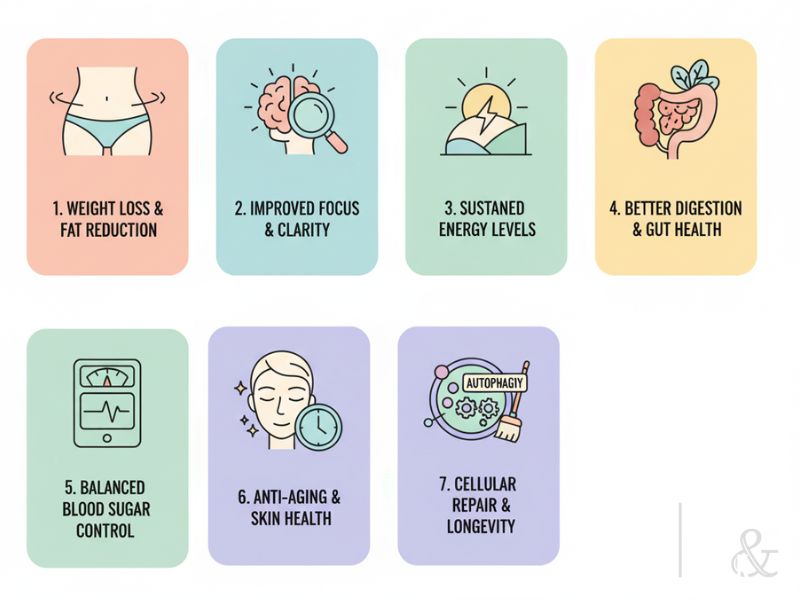
Scientific research continues to reveal impressive health advantages beyond simple weight management. These evidence-based benefits of intermittent fasting demonstrate why this approach has gained widespread adoption among health-conscious individuals worldwide.
1. Accelerated Weight Loss and Fat Reduction
Intermittent fasting for weight loss works through multiple mechanisms. By naturally reducing calorie intake and extending fat-burning periods, most people following 16:8 fasting lose 3-8% of their body weight over 8-24 weeks. Studies show particularly significant reductions in visceral fat, the type of fat that surrounds internal organs.
2. Improved Insulin Sensitivity and Diabetes Prevention
One of the most significant benefits of intermittent fasting is the dramatic improvement in insulin sensitivity. Regular fasting periods allow your pancreas to rest from the constant production of insulin, enabling cells to regain their responsiveness. Research demonstrates that intermittent fasting can reduce insulin levels by 20-31% and blood sugar levels by 3-6%, substantially lowering the risk of type 2 diabetes.
3. Enhanced Heart Health and Cardiovascular Function
Time-restricted eating improves multiple cardiovascular risk factors. Studies show intermittent fasting reduces LDL cholesterol, decreases blood triglycerides, lowers blood pressure, and reduces inflammatory markers. These combined effects significantly enhance heart health and reduce the risk of stroke.
4. Increased Mental Clarity and Cognitive Performance
Many practitioners report that improved concentration and mental clarity are key benefits of intermittent fasting. Research supports these observations, showing that fasting increases brain-derived neurotrophic factor (BDNF), a protein that promotes the growth of new nerve cells. Higher BDNF levels are associated with improved memory, enhanced learning, and a reduced risk of neurodegenerative diseases, such as Alzheimer’s.
5. Cellular Repair Through Autophagy
During fasting periods, your body initiates autophagy, a cellular “housekeeping” process that removes damaged components and recycles them. This natural detoxification mechanism intensifies during extended fasting windows, helping to remove cellular waste, repair damaged DNA, reduce inflammation, and potentially lower the risk of cancer.
6. Reduced Inflammation and Chronic Pain
Chronic inflammation underlies numerous modern diseases. Research indicates intermittent fasting significantly reduces inflammatory markers, potentially alleviating chronic pain conditions by up to 70% in some individuals, particularly those with arthritis and similar inflammatory conditions.
7. Potential Cancer Risk Reduction and Treatment Support
Early research suggests that intermittent fasting may reduce cancer risk through multiple mechanisms, including lowering insulin and blood sugar levels that promote cancer growth, decreasing systemic inflammation, enhancing autophagy to remove potentially cancerous cells, and potentially reducing chemotherapy side effects in cancer patients.
5 Common Intermittent Fasting Mistakes (& How to Avoid Them)
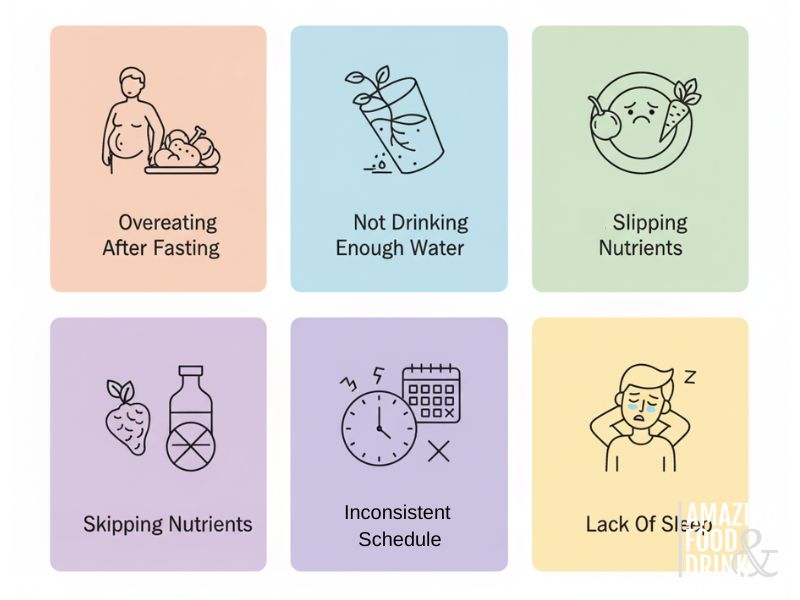
Even well-intentioned individuals make critical errors that undermine their intermittent fasting results. Understanding these common pitfalls helps you maximise benefits whilst avoiding frustration and potential health consequences.
Mistake #1: Overeating During Your Eating Window
Many beginners mistakenly believe their fasting window grants unlimited eating privileges. This misunderstanding often prevents weight loss through intermittent fasting or even causes weight gain. When you consistently overeat, you refill glycogen stores that your body would otherwise burn through, never allowing fat burning to occur.
The solution: Practise mindful eating during your eating window. Focus on nutrient-dense whole foods, eat until satisfied (not stuffed), and consider combining your intermittent fasting schedule with a moderate low-carb approach for optimal results.
Mistake #2: Pushing Too Hard With Extended Fasting
Some people aggressively extend their fasting windows or attempt very long fasts too frequently, seeking faster results. Whilst the body actually maintains or even slightly increases its metabolic rate during short-term intermittent fasts (16-24 hours) due to increased hGH and norepinephrine release, pushing too hard too quickly leads to practical problems, such as severe fatigue, extreme hunger that triggers binge eating, difficulty maintaining consistency, and potential nutritional inadequacy.
True metabolic slowdown occurs with prolonged, chronic, extreme calorie restriction over weeks or months, not from intermittent fasting done properly. However, repeatedly attempting fasts beyond your current capacity creates unsustainable patterns that undermine long-term success.
The solution: Progress gradually with your intermittent fasting schedule. Master 12:12 before moving to 14:10, then 16:8. If exploring longer fasts like 20:4 or OMAD, transition slowly and ensure you’re meeting nutritional needs. Listen to your body’s signals and prioritise consistency over aggressive approaches.
Mistake #3: Drastically Restricting Calories During Eating Windows
Some people combine time-restricted eating with severe calorie restriction, believing this accelerates weight loss. However, eating too little, especially when combined with extended fasting, can lead to inadequate nutrition, causing weakness, hair loss, confusion, and hormonal imbalances.
The solution: Ensure adequate calorie intake of at least 1,200 daily for women and 1,500 for men. Prioritise protein (1.6-2g per kg body weight), include healthy fats for satiety, and focus on nutrient density rather than calorie minimisation.
Mistake #4: Neglecting Sleep Quality and Duration
Poor sleep can sabotage the benefits of intermittent fasting by disrupting hormone balance. Insufficient sleep decreases leptin by 18%, increases ghrelin by 28%, elevates cortisol (promoting belly fat storage), and reduces growth hormone production. These hormonal imbalances trigger cravings for high-carb, sugary foods and impair fat burning.
The solution: Prioritise 7-9 hours of quality sleep nightly. Maintain consistent sleep schedules, create a dark and cool sleeping environment, and finish your last meal 2-3 hours before bedtime to optimise rest and recovery.
Mistake #5: Inadequate Hydration During Fasting Periods
Many people dramatically underestimate water needs during fasting windows. Dehydration causes headaches, slows metabolism, concentrates blood glucose (triggering inappropriate insulin release), and can lead to serious complications like kidney stones or even kidney failure with prolonged deficiency.
The solution: Drink 2-3 litres of water daily, increasing during extended fasting windows, exercise, and hot weather. Include black coffee and herbal teas in your hydration strategy, and consider electrolyte supplementation for fasts exceeding 16 hours.
How to Start Intermittent Fasting: 10-Step Beginner’s Guide
This practical, progressive approach to intermittent fasting for beginners ensures long-term success whilst minimising uncomfortable side effects. Follow these steps sequentially, allowing adequate time for adaptation before progressing to more challenging schedules.
Step 1: Consult Healthcare Professionals First
Before starting any intermittent fasting schedule, consult your GP or registered nutritionist. This step is crucial if you have existing health conditions, take prescription medications, have diabetes, or have a history of eating disorders. Healthcare professionals can assess your suitability, order relevant blood tests, and provide personalised guidance.
Step 2: Eliminate Snacking Between Meals
Begin your intermittent fasting journey by training your body to go without constant food intake. Snacking throughout the day keeps insulin levels constantly elevated, preventing fat burning and increasing the risk of insulin resistance. Eat only three meals daily, with 3-5 hours between each, and allow zero-calorie beverages like water, black coffee, or unsweetened tea between meals. Practise this for 1-2 weeks before progressing.
Step 3: Start with a 12:12 Intermittent Fasting Schedule
Begin with the gentlest approach: a 12-hour fast followed by a 12-hour eating window. For example, if your last meal ends at 8 PM, break your fast at 8 AM. Since most people already fast 8-10 hours overnight whilst sleeping, you’re only adding 2-4 additional fasting hours. Maintain this schedule for at least 1-2 weeks until hunger feels manageable.
Step 4: Maintain Consistent Daily Timing
Following the same eating and fasting schedule daily trains your hunger hormones. Your body releases ghrelin only near eating times, synchronises your circadian rhythm, and makes fasting feel natural and effortless. Choose start and end times you can maintain seven days a week, considering work schedules and family commitments.
Step 5: Gradually Extend Your Fasting Window
Once you feel comfortable with 12:12, slowly increase your fasting window. Recommended progression: Weeks 1-2 (12:12), Weeks 3-4 (13:11), Weeks 5-6 (14:10), Weeks 7-8 (15:9), Week 9+ (16:8). This gradual approach allows hormones to adjust naturally, prevents extreme hunger, reduces binge-eating risk, and builds sustainable habits for lasting intermittent fasting benefits.
Step 6: Optimise Your First Meal After Fasting
Your breaking-fast meal dramatically impacts results. After 14-16 hours of fasting, insulin levels are beautifully low. Avoid high-carbohydrate foods, such as bread, cereals, pancakes, fruit, and sugary items, which can spike insulin levels immediately. Instead, choose protein-rich options (such as eggs, Greek yoghurt, chicken, tuna, and cheese) combined with healthy fats (like avocado, nuts, and olive oil). These maintain low blood sugar and preserve the metabolic benefits achieved during your fasting window.
Step 7: Reduce Carbohydrate Intake for Enhanced Results
Combining intermittent fasting with a reduced carbohydrate intake accelerates fat loss. This synergy depletes glycogen stores more quickly, extends the time spent burning fat, reduces insulin spikes, and decreases hunger and cravings. Focus meals on protein (30-35% of calories), healthy fats (40-45%), and moderate carbohydrates (20-25%), prioritising vegetables over starches.
Step 8: Structure Two Main Meals Without Snacking
Most successful practitioners of time-restricted eating consume two substantial meals during their eating window with zero snacking. This approach simplifies meal planning, limits insulin spikes to two daily events, allows proper digestion between meals, and maintains stable energy levels throughout the day.
Step 9: Schedule a Strategic Exercise During Fasting
Working out during your fasting window, particularly near its end, maximises intermittent fasting weight loss. Exercising whilst fasted increases fat oxidation by 20%, enhances fat burning for 9-24 hours post-workout, improves insulin sensitivity dramatically, and accelerates reversal of insulin resistance. Progress gradually from light walking to more intense strength training and cardio as your body adapts to the increased activity.
Step 10: Track Progress and Adjust Your Approach
Monitor your weight weekly (not daily), measure your waist and hip circumference, track your energy levels and sleep quality, note non-scale victories (such as improved mood, reduced bloating, or better focus), and adjust your intermittent fasting schedule based on the results and how you feel. If you experience constant fatigue or other concerning symptoms, consider a shorter fasting window or consult a healthcare professional.
What Breaks a Fast? Essential Guide for Success
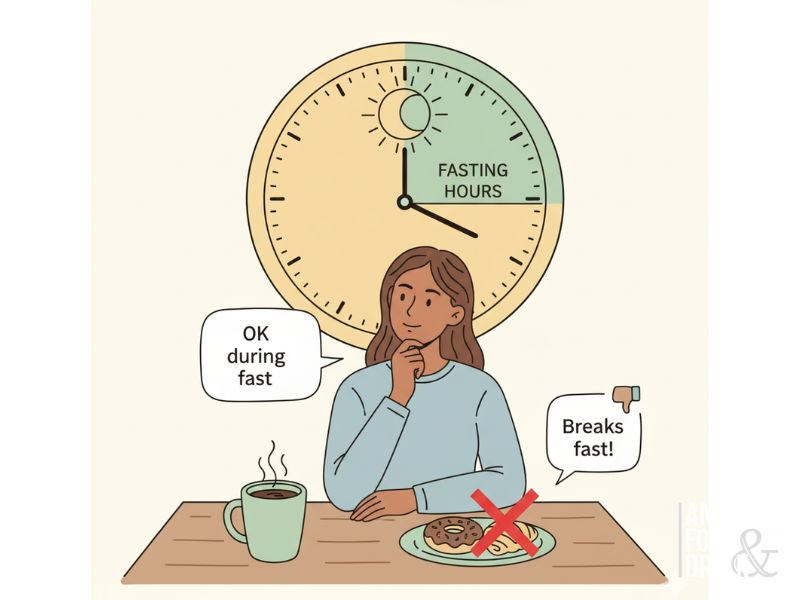
Understanding which substances break your fast is crucial for maximising intermittent fasting benefits. This knowledge helps you navigate your fasting window confidently whilst preserving the metabolic advantages you’re working to achieve.
Beverages That Preserve Your Fasted State
During your fasting window, you can safely consume water (in unlimited quantities), black coffee without any additions, unsweetened tea (green, black, or herbal), sparkling water (unflavored and unsweetened), and diluted apple cider vinegar (1-2 tablespoons in water). These beverages contain virtually no calories and won’t trigger insulin release, allowing you to maintain your fasted state.
What Definitely Breaks Your Fast
Any calories break your fast. Coffee with milk, cream, or sugar immediately ends your fasting period. Diet soft drinks technically contain zero calories, but they may trigger insulin responses in some individuals and increase cravings; therefore, it’s best to avoid them. All foods, protein shakes, smoothies, bone broth, and supplements containing calories break your fast and should be consumed only during your eating window.
Sample Intermittent Fasting Meal Plan: 3-Day Guide

This practical intermittent fasting meal plan demonstrates how to structure meals during a 16:8 fasting schedule (eating window: 12 PM to 8 PM). These examples emphasise protein, healthy fats, and vegetables whilst minimising carbohydrates for optimal results.
Day 1: Mediterranean-Inspired Meals
- Meal 1 (12 PM): Three-egg omelette with feta cheese, spinach, and tomatoes; mixed green salad with olive oil and lemon dressing; a handful of olives.
- Meal 2 (6:30 PM): Grilled salmon with garlic and herbs; roasted courgettes and peppers; Greek salad with cucumbers, tomatoes, red onion, and feta.
Day 2: High-Protein Focus
- Meal 1 (12 PM): Full-fat Greek yoghurt (200g) with mixed seeds (pumpkin, sunflower, chia); small handful of blueberries; boiled egg; black coffee.
- Meal 2 (7 PM): Grilled chicken breast with herb butter; cauliflower rice; roasted Brussels sprouts; sautéed kale with garlic.
Day 3: Comfort Food Options
- Meal 1 (12 PM): Scrambled eggs (three eggs) with grated cheddar; grilled mushrooms and cherry tomatoes; half an avocado; herbal tea.
- Meal 2 (6:45 PM): Beef mince over courgette noodles (courgetti); large mixed leaf salad with olive oil dressing; parmesan shavings.
Intermittent Fasting Results: What to Expect Timeline
Understanding realistic timelines for the benefits of intermittent fasting helps maintain motivation while setting appropriate expectations. Results vary individually based on starting weight, adherence, exercise habits, and overall health status.
Week 1: Initial Adjustment Period
During your first week of time-restricted eating, expect reduced bloating, a 1-2 pound water weight loss, noticeable hunger (especially near your former meal times), possible headaches and mood fluctuations, and increased awareness of your eating habits. These temporary symptoms diminish as your body adapts to the new eating schedule.
Weeks 2-4: Finding Your Rhythm
Most people experience a weight loss of 2-5 pounds, significantly reduced hunger, improved energy stability, better sleep quality, and decreased cravings for sugary foods. Your body’s hormones are regulating, making your intermittent fasting schedule feel increasingly natural.
Months 2-3: Visible Transformation
Expect 8-15 pounds of total weight loss (if starting overweight), 2-4 inches off your waist, visible fat loss (especially abdominal), clearer skin, sustained high energy, improved mental clarity, and reduced joint pain. Blood tests typically show improved insulin sensitivity and reduced inflammatory markers.
Months 4-6: Sustained Benefits
By this stage, intermittent fasting becomes a natural lifestyle. You’ll likely achieve 12-25 pounds of total weight loss (varying individually), significant improvements in body composition, optimised metabolic health, better stress management, and enhanced athletic performance. Health markers like blood pressure and cholesterol typically normalise.
6+ Months: Long-Term Lifestyle Integration
Intermittent fasting feels completely natural, weight stabilises at a healthy level, all health improvements are maintained, and you enjoy sustained energy and cognitive function. At this point, you’ve established a sustainable eating pattern that supports long-term health and vitality.
Intermittent Fasting and Exercise: Maximising Results

Combining strategic exercise with your intermittent fasting schedule creates powerful synergy for fat loss and improved fitness. Understanding optimal timing and exercise types helps you maximise intermittent fasting benefits whilst building strength and endurance.
Best Timing for Fasted Workouts
Exercise during the final 2-3 hours of your fasting window for maximum fat burning. For example, if following a 16:8 fasting ending at 12 PM, work out from 10-11:30 AM. This timing ensures glycogen stores are depleted, forcing your body to burn fat for fuel. You can then break your fast immediately after with a protein-rich meal supporting muscle recovery.
Optimal Exercise Types During Fasting
Strength training provides the best results during fasting by maximising growth hormone release, preserving and building lean muscle, increasing resting metabolic rate, and burning fat for 24-48 hours post-workout. Focus on compound movements, such as squats, deadlifts, and bench presses, three to five times a week.
High-Intensity Interval Training (HIIT) offers extremely efficient fat burning in just 20-30 minutes. Examples include sprint intervals, burpee circuits, and kettlebell swings. Limit HIIT to 2-3 times weekly due to its demanding nature.
Steady-state cardio exercises, such as brisk walking, light jogging, cycling, or swimming, provide moderate fat-burning benefits and are well-suited for beginners. Perform 3-5 times weekly for 30-60 minutes at a pace that allows for conversation.
Post-Workout Nutrition Strategy
Break your fast within 30-60 minutes after exercise with protein-focused meals. Excellent options include protein shakes with minimal carbs, scrambled eggs with avocado and vegetables, grilled chicken with sweet potato and broccoli, or Greek yoghurt with nuts and berries. This timing supports muscle recovery whilst maintaining the metabolic benefits of your intermittent fasting schedule.
Intermittent fasting offers a sustainable, science-backed approach to weight loss and improved metabolic health. By starting gradually with a 12:12 schedule and progressing to 16:8 fasting, prioritising protein and healthy fats when breaking your fast, staying well-hydrated with 2-3 litres of water daily, combining time-restricted eating with strategic exercise, and tracking your progress whilst adjusting as needed, you’ll maximise intermittent fasting benefits whilst building lasting healthy habits. Remember to consult healthcare professionals before beginning, listen to your body throughout the process, and customise your intermittent fasting schedule to fit your lifestyle for sustainable, long-term success.
FAQs
1. Can I drink coffee whilst intermittent fasting?
Yes, black coffee is allowed during your fasting window and won’t break your fast. Coffee contains virtually no calories and may enhance fat burning through caffeine’s metabolic effects. However, avoid adding milk, cream, sugar, or any other calories, as these immediately end your fasted state.
2. How long before I see intermittent fasting weight loss results?
Most people notice initial results within 2-4 weeks, including reduced bloating and a weight loss of 2-5 pounds. Significant changes typically appear by 8-12 weeks, with a loss of 8-15 pounds. Results vary based on starting weight, adherence to your eating window, food quality, exercise habits, and individual metabolism.
3. Is 16:8 fasting safe for long-term use?
Yes, the 16:8 Method is safe for most healthy adults to maintain long-term. Research suggests that individuals can safely adhere to this intermittent fasting schedule for years, with continued benefits. However, always consult your GP before starting, especially if you have underlying health conditions, take medications, or have special dietary requirements.
4. Will intermittent fasting cause muscle loss?
No, when done correctly, time-restricted eating preserves muscle mass whilst burning fat. The key is consuming adequate protein (1.6-2g per kilogram of body weight) during your eating window and incorporating strength training 3-4 times weekly. Increased growth hormone during fasting actually helps protect muscle tissue while promoting fat burning.
5. What should I eat when breaking my fast?
Break your fast with protein-rich foods combined with healthy fats for optimal results. Excellent choices include eggs with avocado, Greek yoghurt with nuts, grilled chicken with vegetables, or tuna salad. Avoid high-carbohydrate foods, such as bread, cereals, and sugary items, which can spike insulin and negate the metabolic benefits of your fasting window.